Diseases and Conditions
Heat Rash Treatment: Fast Relief for Prickly, Irritated Skin
April 6, 2026
7 min read

Medically reviewed by Alan Lucks | MD, Alan Lucks MDPC Private Practice - New York on April 11th, 2026.
Published on February 21st, 2026. Updated on September 11th, 2026.
Prickly heat rash occurs when sweat ducts become blocked, preventing perspiration from reaching the skin's surface
Hot, humid weather and tight-fitting synthetic clothing are primary triggers for this uncomfortable condition
Three main types exist: miliaria crystallina (mildest), miliaria rubra (most common), and miliaria profunda (most severe)
Prevention focuses on staying cool, wearing breathable clothing, and maintaining proper skin hygiene
Questions about prickly heat rash?
Free. Anonymous. Built by doctors.
Talk to our AI doctor for a clear, personalized read on your situation.
Prickly heat rash, medically known as miliaria, is a common skin condition that affects millions of people worldwide, particularly during hot and humid weather conditions. This uncomfortable skin irritation occurs when sweat ducts become blocked, preventing perspiration from reaching the skin's surface and causing characteristic bumps, redness, and an intensely prickly or stinging sensation. While prickly heat is generally harmless and temporary, it can cause significant discomfort and may lead to complications if left untreated. Understanding its causes, recognizing symptoms, and implementing effective management strategies can help you maintain comfortable, healthy skin even in challenging weather conditions.
Prickly heat rash develops when the narrow ducts that carry sweat from deeper skin layers to the surface become obstructed or damaged. This blockage can occur at different levels within the skin, leading to various types of miliaria. The primary culprit behind sweat duct obstruction is excessive sweating combined with factors that prevent proper evaporation of moisture from the skin's surface.
High temperatures and humidity create ideal conditions for prickly heat development, as the body produces more sweat to regulate temperature while the humid environment prevents efficient evaporation. Tight-fitting clothing made from synthetic materials can trap moisture against the skin and create friction that damages sweat ducts. Similarly, heavy creams, oils, or adhesive bandages can block pores and prevent normal sweat flow.
Certain populations are more susceptible to developing prickly heat rash. Infants and young children have underdeveloped sweat glands and smaller ducts that are more easily blocked. Adults who are not accustomed to hot climates, individuals with fever, and those who engage in intense physical activity in warm conditions are also at higher risk. When trying to identify skin conditions, it's helpful to understand what causes a rash on the stomach and other body areas, as this knowledge can help distinguish prickly heat from other skin irritations.
Prickly heat rash manifests in three distinct forms, each with characteristic symptoms and appearance. Miliaria crystallina, the mildest form, appears as tiny, clear, fluid-filled blisters that resemble dewdrops on the skin. These vesicles are superficial and typically break easily, causing minimal discomfort. This type commonly affects newborns and adults in very hot climates.
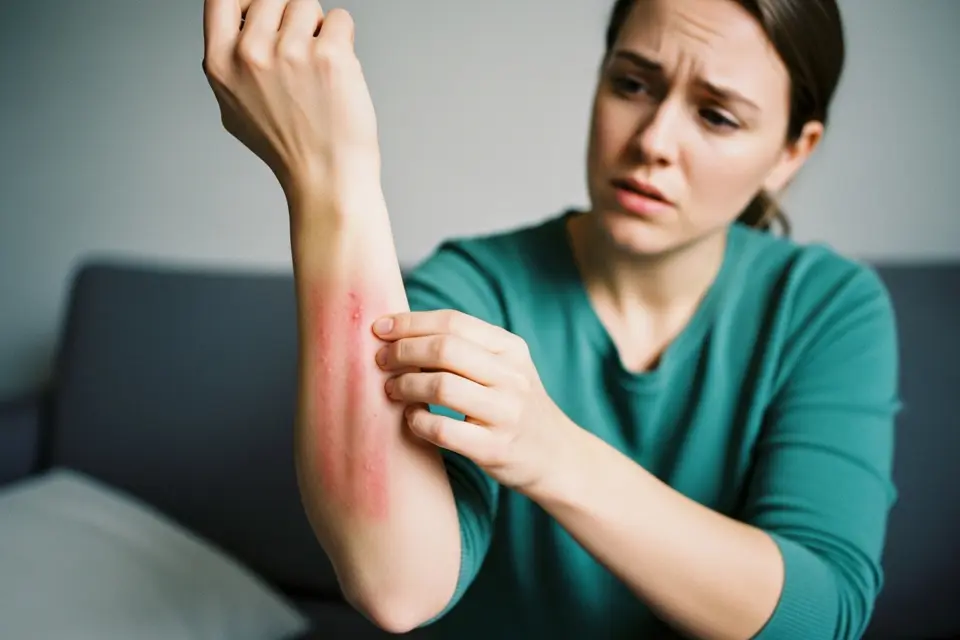
Miliaria rubra, often called "prickly heat," is the most common and recognizable form. It presents as small, red, inflamed bumps surrounded by redness, creating a rash-like appearance. The affected area feels intensely itchy, prickly, or stinging, particularly when sweating occurs. This form typically develops on areas where clothing fits snugly or where skin folds create friction.
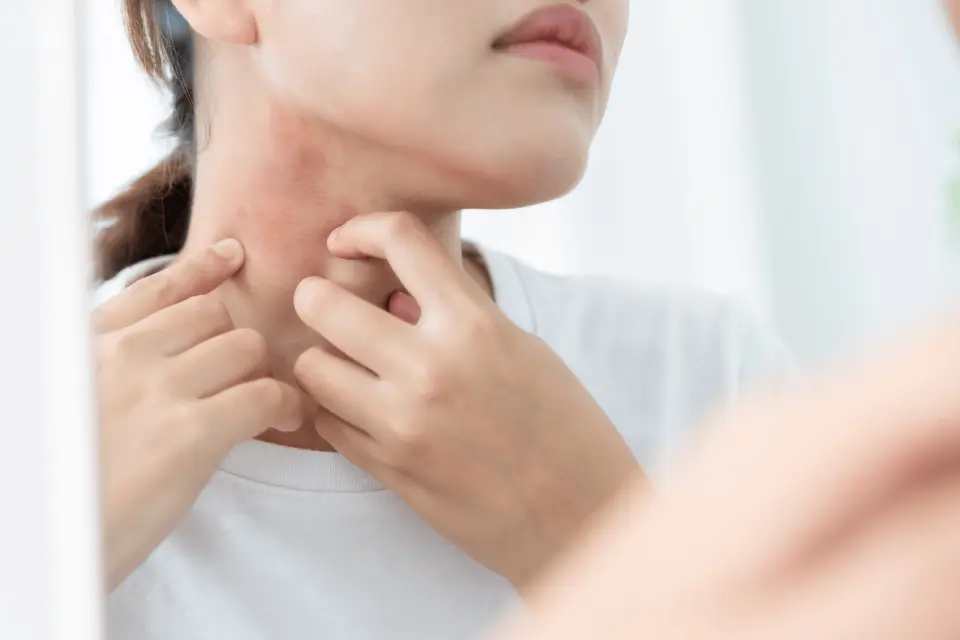
The most severe form, miliaria profunda, occurs when sweat ducts are blocked deeper in the skin. This condition produces flesh-colored, larger bumps that don't typically itch but may cause heat intolerance. The distribution of prickly heat rash provides important identification clues, commonly appearing on the torso, neck, underarms, and groin. If you're unsure about your skin condition, learning how to tell what's causing a rash can help you distinguish prickly heat from conditions like eczema or other inflammatory skin disorders.
Preventing prickly heat rash requires a comprehensive approach focused on managing heat exposure, reducing excessive sweating, and maintaining proper skin hygiene. The most effective prevention strategy involves staying cool and dry whenever possible. This includes seeking air-conditioned environments during peak heat hours, using fans to improve air circulation, and taking cool showers or baths to lower body temperature.
Clothing choices play a crucial role in prevention. Loose-fitting garments made from natural, breathable fabrics like cotton allow air to circulate around the skin and moisture to evaporate efficiently. Synthetic materials should be avoided during hot weather, as they trap heat and moisture. Changing clothes frequently, especially after sweating, prevents prolonged exposure to damp fabric against the skin.
Environmental modifications can create conditions less conducive to prickly heat development. Maintaining lower indoor temperatures and humidity levels through air conditioning or dehumidifiers helps reduce overall heat stress. For outdoor activities, scheduling during cooler parts of the day and taking frequent breaks in shaded areas prevents overheating. Parents should be especially vigilant with infants, as conditions like diaper rash can sometimes be confused with prickly heat in young children.
Most cases of prickly heat rash resolve spontaneously once you move to a cooler environment and allow your skin time to recover. The primary treatment approach focuses on cooling the skin and preventing further irritation. Cool, wet compresses applied to affected areas provide immediate relief from itching and burning sensations. Cool baths with colloidal oatmeal or baking soda may also soothe irritated skin effectively.
Over-the-counter topical treatments can help manage symptoms and promote healing. Calamine lotion provides cooling relief and helps dry out vesicles, while hydrocortisone cream reduces inflammation and itching. However, heavy creams and ointments should be avoided as they may further block pores. Antihistamines taken orally may help reduce itching, particularly at night when symptoms often worsen.
For more persistent or severe cases, medical intervention may be necessary. Healthcare providers might prescribe stronger topical corticosteroids or antibiotics if secondary bacterial infection develops. Understanding when professional help is needed can prevent complications and ensure proper healing.
Treatment Type |
Application |
Effectiveness |
Notes |
|---|---|---|---|
Cool Compresses |
Apply 10-15 minutes |
High for immediate relief |
Use clean, damp cloth |
Calamine Lotion |
Apply thin layer 2-3x daily |
Moderate to High |
Helps dry vesicles |
Hydrocortisone Cream |
Apply sparingly as needed |
Moderate |
Reduces inflammation |
Cool Baths |
10-15 minutes in lukewarm water |
High for overall comfort |
Add oatmeal or baking soda |
Antihistamines |
Follow package directions |
Moderate for itching |
Especially helpful at night |
Most cases of prickly heat rash resolve within a few days to a week once you move to cooler conditions and avoid further heat exposure. Mild cases may clear up within 24-48 hours with proper care.
No, prickly heat rash is not contagious. It's caused by blocked sweat ducts due to environmental factors, not by bacteria or viruses that can be transmitted between people.
While prickly heat shares some similarities with other skin conditions, it has distinct characteristics. Unlike folliculitis or herpes-related rashes, prickly heat specifically occurs due to blocked sweat ducts and heat exposure.
Adults can definitely develop prickly heat rash, especially when exposed to hot, humid conditions or during intense physical activity. While more common in children, adults who aren't acclimated to heat are particularly susceptible.
Seek medical attention if you develop fever, pus-filled lesions, red streaking from affected areas, or if the rash worsens despite home treatment. These signs may indicate secondary bacterial infection requiring professional care.
Prickly heat rash, while uncomfortable, is a highly manageable condition that responds well to proper prevention and treatment strategies. By understanding the causes of sweat duct blockage and implementing comprehensive prevention measures including environmental control, appropriate clothing choices, and proper skincare, you can significantly reduce your risk of developing this common skin condition. Most cases resolve quickly with simple cooling measures and avoiding further heat exposure. Remember that distinguishing prickly heat from other skin conditions can be challenging, so don't hesitate to consult healthcare professionals when in doubt. Get started with Doctronic today.
Get personalized health advice
Chat Now