
Nexplanon Weight Gain: What You Need to Know About This Birth Control Implant

Medically reviewed by Alan Lucks | MD, Alan Lucks MDPC Private Practice - New York on March 1st, 2026.
Published on January 31st, 2026. Updated on April 30th, 2026.
Key takeaways
Weight gain is a potential side effect for some Nexplanon users
Hormonal changes can impact metabolism and appetite
Not everyone experiences weight gain with this birth control method
Individual experiences vary widely among users
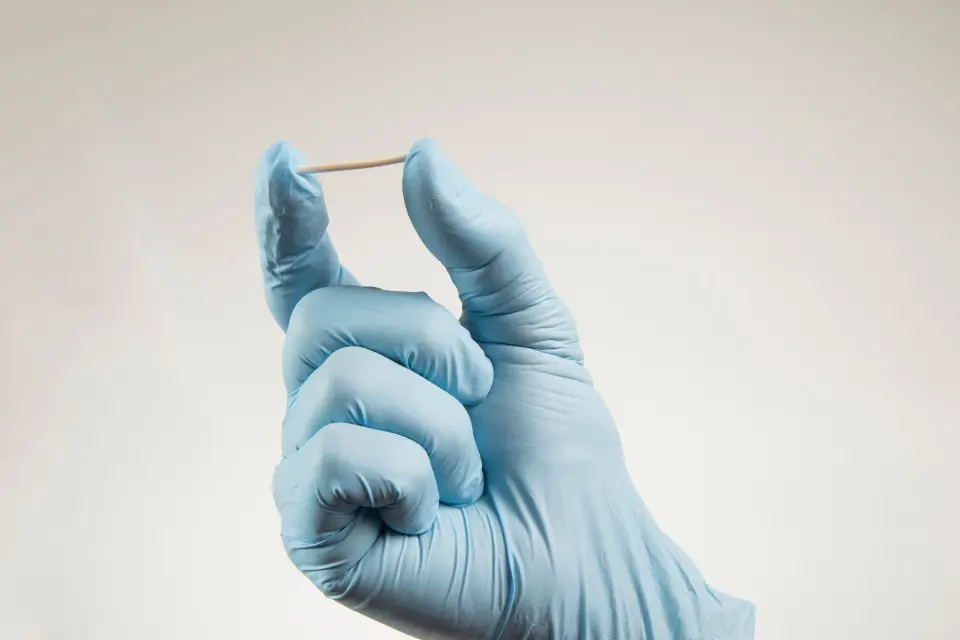
Birth control is a personal health decision that requires careful consideration. The Nexplanon implant, a small rod inserted under the skin of the upper arm, has sparked numerous conversations about potential side effects of birth control. Weight gain is one of the most commonly discussed concerns for individuals considering this contraceptive method.
Hormonal birth control can affect body weight through multiple mechanisms. The progestin hormone in Nexplanon may influence metabolism, water retention, and appetite, potentially leading to weight fluctuations for some users. However, it's crucial to understand that individual experiences can differ significantly.
Understanding Hormonal Influences on Weight
Nexplanon contains etonogestrel, a progestin hormone that can potentially impact your body's metabolic processes. Some users report slight weight changes, while others experience no significant difference. Birth control interactions with diet, exercise, and individual metabolism play a crucial role in how your body responds to the implant.
Clinical Perspectives on Weight Gain
Research shows mixed results regarding weight gain and hormonal contraceptives. Most studies indicate that any weight changes are typically minimal and temporary. A comprehensive review of multiple clinical trials suggests that the average weight gain is less than 5 pounds over several years of use.
Factors Influencing Weight Changes
Several factors can contribute to potential weight fluctuations with Nexplanon:
Hormonal shifts
Changes in metabolism
Increased appetite
Water retention
Individual genetic factors
Factor |
Potential Impact |
Management Strategy |
|---|---|---|
Hormone Levels |
Mild metabolic changes |
Regular exercise |
Appetite |
Potential increase |
Balanced diet |
Water Retention |
Temporary weight fluctuation |
Hydration, low-sodium diet |
Metabolism |
Slight modifications |
Regular physical activity |
Managing Potential Weight Concerns
If you're concerned about weight changes, consider these proactive approaches:
Maintain a consistent exercise routine
Monitor your diet
Consult with healthcare providers about your specific concerns
Understand side effects of birth control through professional guidance
Frequently Asked Questions
Q: How common is weight gain with Nexplanon? A: Not as common as many people believe. Only a small percentage of users experience significant weight changes.
Q: Can I prevent weight gain while using Nexplanon? A: Maintain a healthy lifestyle with balanced nutrition and regular exercise.
Q: How long do potential weight changes last? A: Most hormonal adaptations stabilize within 3-6 months of insertion.
Q: Should I stop using Nexplanon if I'm worried about weight? A: Consult with a healthcare provider to discuss birth control options tailored to your individual needs.
Q: Are there alternatives if I experience weight gain? A: Multiple birth control methods exist. A healthcare professional can help you find the most suitable option.
The Bottom Line
Weight gain is just one potential consideration among many when choosing birth control. Individual experiences vary, and professional medical guidance is crucial. Care you can trust. Doctronic is clinically validated with 99% treatment plan alignment.
Related articles
Get women's health advice
Chat Now