
IUD Removal Side Effects: What Every Woman Should Know

Medically reviewed by Alan Lucks | MD, Alan Lucks MDPC Private Practice - New York on March 1st, 2026.
Published on January 30th, 2026. Updated on July 23rd, 2026.
Key takeaways
IUD removal is a quick, typically painless medical procedure.
Most women experience mild cramping and light spotting after removal.
Fertility can return immediately after an IUD is taken out.
Potential side effects are usually short-term and manageable.
IUD removal side effects are usually mild and short-lived. Most women experience light spotting and brief cramping that clears up within a few days. Knowing what to expect makes the process much easier to navigate.
An IUD removal is a quick procedure performed by a healthcare professional. This guide covers common side effects, rare complications, fertility after removal, and when to seek care.
The IUD Removal Procedure
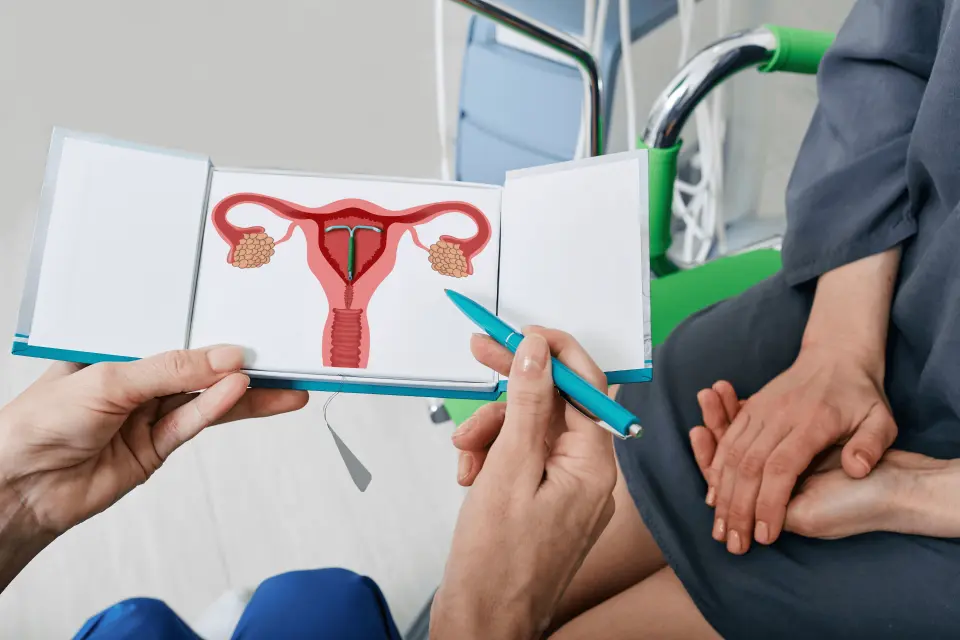
The removal process is relatively simple and quick. Your healthcare provider will use a speculum to open the vaginal canal and carefully grasp the IUD strings. Using gentle traction, they will pull the device out. The entire procedure typically takes just a few minutes.
Some women might experience slight discomfort or side effects during removal. These can include mild cramping, brief pinching sensations, or momentary light-headedness. However, most patients report the experience as tolerable and much less uncomfortable than the initial IUD insertion.
Common Side Effects After Removal
After your IUD is removed, you might experience several short-term side effects. Light spotting or irregular bleeding is common and can last a few days to weeks. Some women also report mild cramping similar to menstrual discomfort. Over-the-counter pain relievers can help manage these symptoms.
Hormonal changes might also occur, especially if you had a hormonal IUD. Your body will need time to readjust to its natural hormonal cycle. This can temporarily affect your menstrual pattern, mood, or skin condition.
Potential Complications to Monitor
While rare, some women might experience more significant side effects. Watch for signs of infection such as fever, severe pain, or unusual discharge. If you develop these symptoms, contact your healthcare provider immediately. Persistent or intense pain is not typical and should be evaluated.
Hormonal vs. Copper IUD: How Removal Side Effects Differ
Not all IUDs work the same way, and the type you have can shape what you experience after removal.
Hormonal IUDs (such as Mirena, Kyleena, and Liletta) release a small amount of progestin, which suppresses ovulation and thins the uterine lining. After removal, your body needs time to restart its natural hormone production. This transition can cause temporary irregular periods, mood shifts, acne flares, or changes in libido. These effects are not dangerous, but they can be noticeable for a few weeks to a few months while your cycle recalibrates.
What hormonal IUD users may notice
If your periods were very light or absent while the IUD was in place, expect them to become heavier and more crampy once the progestin is gone. Skin changes are also common because progestin has an androgen-suppressing effect for some people. A small number of women report a temporary low mood in the weeks after removal as estrogen and progesterone rebalance.
Copper IUDs (such as Paragard) contain no hormones. They work by creating an environment that is toxic to sperm. Because your hormone levels were never affected, removal tends to produce fewer systemic side effects. Your cycle should return to its baseline fairly quickly. The main post-removal symptoms for copper IUD users are physical: cramping and spotting from the uterus adjusting after the device is out.
What copper IUD users may notice
If your periods were already heavy before the copper IUD, they may continue at that level. Cramping after removal is usually brief. Because no hormonal reset is required, women with copper IUDs often feel fully back to normal within a day or two.
Regardless of IUD type, most side effects after removal resolve on their own within two to four weeks. Over-the-counter ibuprofen or naproxen can ease cramping. If symptoms feel severe or are getting worse rather than better after two weeks, that is worth a conversation with a provider.
Fertility and Future Birth Control
One of the most common questions women have is about fertility after IUD removal. The good news is that fertility typically returns immediately. If you're not planning to get pregnant, discuss alternative birth control methods with your healthcare provider before removing the IUD.
What to Expect in the Following Weeks
Most women feel back to normal within a day or two of IUD removal. Light spotting can continue for up to two weeks, and your menstrual cycle may take one to three months to settle into its new pattern, particularly after a hormonal IUD. Mild cramping is normal during this window. If you had a copper IUD, your cycle should resume its prior pattern fairly quickly since no hormones were involved.
Avoid putting anything in the vagina, including tampons and menstrual cups, for at least 24 hours after removal if your provider advises it. Strenuous exercise is fine for most women the same day, but listen to your body. If you are not planning a pregnancy, start your new contraception method before or at the time of removal, since fertility can return immediately.
Frequently Asked Questions
Q: How painful is IUD removal?
A: Most women experience minimal discomfort, comparable to mild menstrual cramps.
Q: Can I get pregnant immediately after removal?
A: Yes, fertility typically returns right away.
Q: What if the IUD strings are not visible?
A: Your healthcare provider has techniques to locate and remove the device safely.
Q: How long should I wait to have sex after removal?
A: Consult your doctor, but generally, you can resume sexual activity when comfortable.
Q: Are there long-term side effects of IUD removal?
A: Most women experience no lasting side effects.
Frequently Asked Questions
Most side effects, including cramping and light spotting, resolve within a few days to two weeks. If you had a hormonal IUD, irregular periods or mood changes can persist for one to three months as your body restores its natural hormone levels. Symptoms that are severe or worsening after two weeks should be evaluated by a provider.
Yes, some change is common. After a hormonal IUD, periods that were light or absent may become heavier and more painful as hormone levels normalize. After a copper IUD, your cycle should return to roughly what it was before insertion. Most women see a regular pattern re-establish within one to three cycles.
Yes. Fertility typically returns immediately after removal for both hormonal and copper IUDs. If you are not ready to conceive, start an alternative birth control method at or before the time of removal. There is no recommended waiting period before trying to get pregnant.
Seek care promptly if you develop a fever above 101 degrees Fahrenheit, severe or worsening pelvic pain, heavy bleeding that soaks more than one pad per hour, or an unusual vaginal discharge with a foul odor. These can be signs of infection or another complication that needs prompt attention.
Some women report low mood, irritability, or anxiety in the weeks after removing a hormonal IUD, as the body adjusts to the absence of synthetic progestin. These feelings are generally temporary. If mood changes are significant or last longer than a few months, speaking with a provider is a good idea.
The Bottom Line
Understanding IUD removal helps demystify the process and reduce anxiety. Every woman's experience is unique, but with proper medical guidance, the procedure is typically smooth and uncomplicated. Ready to meet your AI doctor? Get started with Doctronic today.
Related articles
Ask about IUD Removal side effects
Chat Now