
Is Nexplanon Hormonal? Understanding This Long-Acting Birth Control Method

Medically reviewed by Alan Lucks | MD, Alan Lucks MDPC Private Practice - New York on February 24th, 2026.
Published on January 29th, 2026. Updated on September 11th, 2026.
Key takeaways
Nexplanon is a hormonal contraceptive using synthetic progestin etonogestrel
Provides over 99% pregnancy prevention through continuous hormone release
Can be effective for up to three years with a single insertion
Offers an alternative to estrogen-based birth control methods
Birth control options can feel overwhelming, especially when navigating hormonal methods. Birth control alternatives are numerous, but Nexplanon stands out as a unique hormonal contraceptive solution for many women. This small, flexible implant represents a modern approach to pregnancy prevention, offering convenience and reliability through its innovative hormonal delivery system.
Modern contraceptive technology has evolved significantly, and Nexplanon exemplifies this progress. Which birth control option works best depends on individual health needs, lifestyle, and personal preferences. For those seeking a long-acting, low-maintenance hormonal method, Nexplanon provides an compelling solution.
How Nexplanon's Hormonal System Works
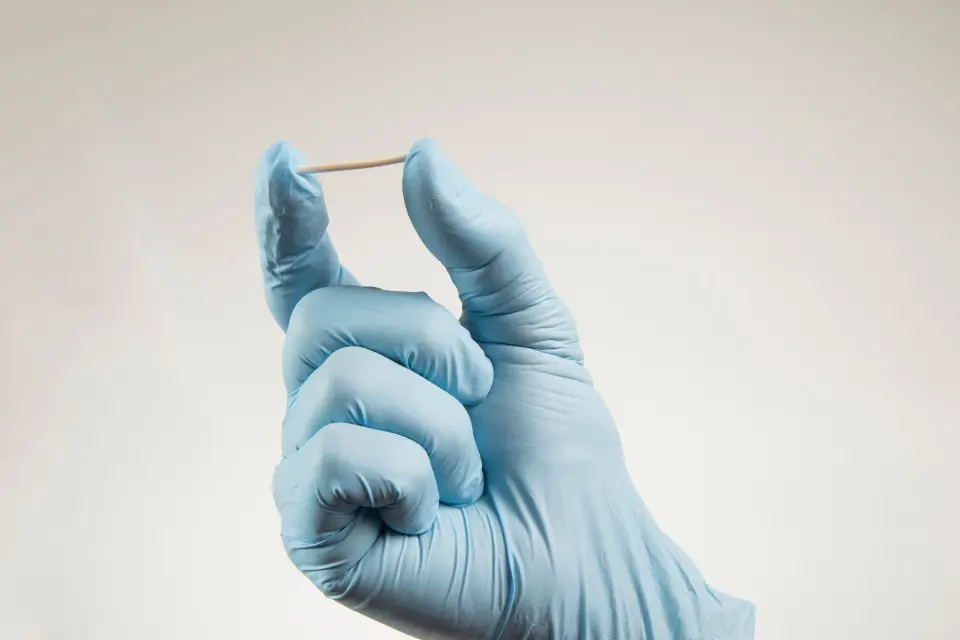
The implant contains etonogestrel, a synthetic progestin that mimics the body's natural progesterone. When inserted subdermally in the upper arm, it continuously releases hormones to prevent pregnancy through multiple mechanisms. This approach differs from traditional birth control pills, offering a more consistent hormone delivery method.
Mechanisms of Hormone-Based Pregnancy Prevention
Nexplanon prevents pregnancy primarily by suppressing ovulation. The hormonal intervention stops the ovaries from releasing eggs, creating a fundamental barrier to conception. Additionally, it thickens cervical mucus, making it difficult for sperm to reach potential egg sites. Birth control and blood clots are important considerations with hormonal methods, but Nexplanon's progestin-only formulation can be safer for some women.
Potential Hormonal Side Effects
Users may experience various side effects related to hormonal changes. These can include:
Irregular menstrual bleeding
Mood fluctuations
Potential weight changes
Skin condition modifications
Breast tenderness
Hormonal Considerations and Compatibility
Not all women will experience the same hormonal response. What is birth control varies widely, and individual reactions to hormonal methods differ. Some women find Nexplanon's progestin-only approach more tolerable than estrogen-containing alternatives.
Aspect |
Nexplanon Details |
|---|---|
Hormone Type |
Synthetic Progestin (Etonogestrel) |
Duration |
Up to 3 Years |
Effectiveness |
Over 99% |
Insertion Location |
Upper Arm (Subdermally) |
Frequently Asked Questions
Is Nexplanon completely hormone-free?
No, Nexplanon is a hormonal contraceptive that releases synthetic progestin.
Can I get pregnant immediately after removal?
Fertility typically returns quickly, usually within weeks of implant removal.
Do all women experience side effects?
Side effects vary; not every woman will experience significant hormonal changes.
Is Nexplanon suitable for everyone?
Some medical conditions may make Nexplanon inappropriate. Consult a healthcare provider.
How quickly does Nexplanon become effective?
Depending on insertion timing, protection can be immediate or require additional contraception.
The Bottom Line
Nexplanon represents a sophisticated approach to hormonal contraception, offering women a reliable, long-acting birth control method. Ready to explore your contraceptive options? Skip the waiting room. Get answers in minutes with Doctronic.
Related articles
Get women's health advice
Chat Now