
How Long Does It Take for Nexplanon to Work? A Complete Guide to Contraceptive Effectiveness

Medically reviewed by Alan Lucks | MD, Alan Lucks MDPC Private Practice - New York on February 19th, 2026.
Published on January 28th, 2026. Updated on September 11th, 2026.
Key takeaways
Nexplanon provides immediate protection when inserted in the first five days of menstruation
Seven-day backup contraception is required for insertions outside the initial menstrual cycle
Over 99% effective at preventing pregnancy through multiple hormonal mechanisms
Safe for use by women across different life stages, including breastfeeding mothers
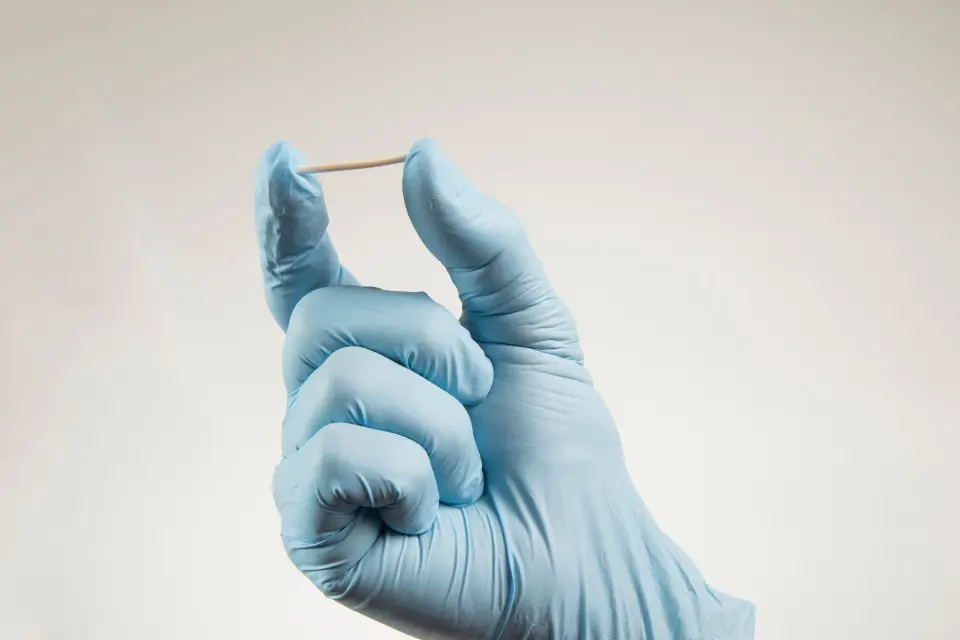
Navigating birth control options can be complex, but understanding how the right birth control pill works for you is crucial for reproductive health. Nexplanon, a single-rod contraceptive implant, offers a long-term solution for women seeking reliable pregnancy prevention. Its unique design and hormone delivery system make it one of the most effective contraceptive methods available today.
Modern contraceptive technologies have revolutionized reproductive healthcare, providing women with more choices and control over their fertility. Nexplanon represents a significant advancement in this field, offering a convenient and highly effective alternative to daily birth control methods.
Understanding Nexplanon's Protection Timeline
When inserted during the first five days of menstruation, Nexplanon provides immediate contraceptive protection. This means you can rely on the implant right away without additional precautions. However, if inserted at any other time during your menstrual cycle, you'll need seven full days of backup contraception.
Hormonal Mechanisms of Pregnancy Prevention
The implant works through multiple sophisticated mechanisms. It releases etonogestrel, a synthetic progestin that helps address various sexual health concerns. This hormone primarily prevents pregnancy by:
Suppressing ovulation
Thickening cervical mucus
Altering the uterine lining to prevent implantation
Special Insertion Considerations
Different scenarios require unique approaches to Nexplanon insertion. Women switching from other contraceptive methods should consult their healthcare provider to ensure continuous protection. Breastfeeding mothers can typically receive the implant four weeks postpartum, with special considerations for immediate effectiveness.
Insertion Scenario |
Protection Timeline |
Backup Method Required |
|---|---|---|
First 5 days of menstruation |
Immediate |
No |
Any other time in cycle |
7 days |
Yes |
Post-IUD removal |
Immediate to 5 days |
Depends on previous method |
Postpartum (breastfeeding) |
Typically immediate |
Recommended |
Factors Affecting Effectiveness
Several factors can influence Nexplanon's contraceptive reliability. Understanding medical systems and individual variations is crucial for optimal use. Medications like antibiotics, antifungal treatments, and certain supplements may interact with the implant's effectiveness.
Frequently Asked Questions
Immediately when inserted in the first five days of menstruation, with seven days of backup contraception required for other insertion times.
Yes, it can be inserted four weeks postpartum and is generally safe for breastfeeding mothers.
Improper placement can compromise effectiveness, so always have a healthcare professional verify the implant's position.
Some studies suggest slight variations in effectiveness with higher body mass indexes, but it remains highly reliable across weight ranges.
The implant provides effective contraception for up to 5 years.
The Bottom Line
Nexplanon offers a convenient and highly effective contraceptive solution for women seeking long-term pregnancy prevention. Care you can trust. Doctronic is clinically validated with 99% treatment plan alignment.
Related articles
Get personalized health advice
Chat Now