
How Effective Is Opill: A Comprehensive Guide to Over-the-Counter Birth Control

Medically reviewed by Alan Lucks | MD, Alan Lucks MDPC Private Practice - New York on February 16th, 2026.
Published on January 27th, 2026. Updated on July 23rd, 2026.
Key takeaways
Opill is an over-the-counter progestin-only birth control pill
98% effective with perfect use, 91% with typical use
Safe for most individuals, including teenagers
Requires consistent daily use for maximum effectiveness
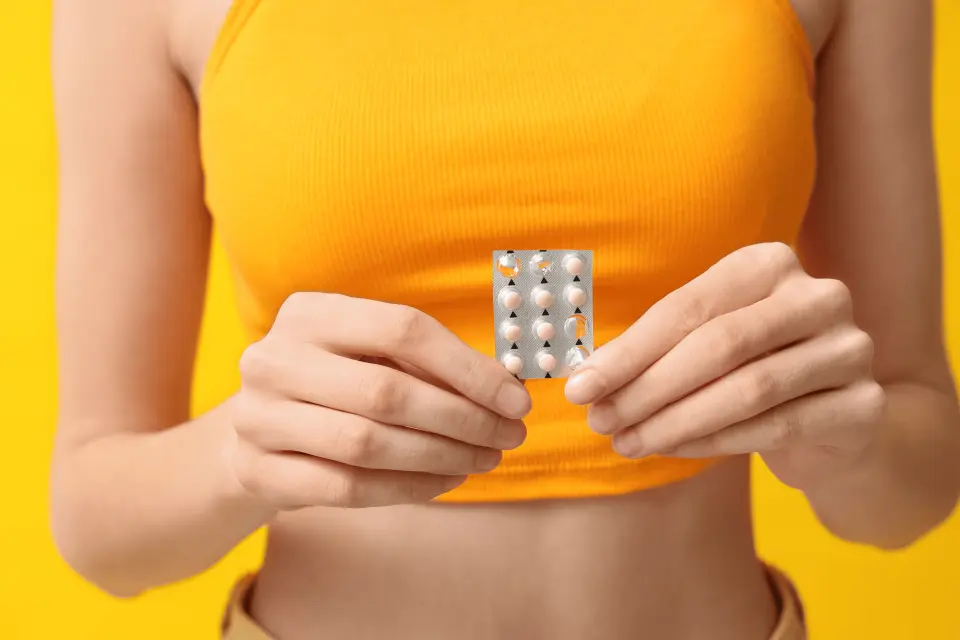
Birth control just got more accessible. With the FDA's approval, Opill represents a significant milestone in reproductive healthcare, offering a convenient over-the-counter contraceptive option for individuals across the United States. This progestin-only pill provides a new avenue for pregnancy prevention without the need for a prescription.
As birth control interactions can be complex, understanding how Opill works is crucial for anyone considering this method of contraception. Unlike combined hormonal birth control, Opill uses a single hormone to prevent pregnancy through multiple mechanisms.
How Opill Prevents Pregnancy
Opill works through three primary mechanisms. First, it suppresses ovulation, preventing the release of an egg from the ovaries. Second, it thickens cervical mucus, creating a barrier that makes it difficult for sperm to reach an egg. Third, it alters the uterine lining, reducing the likelihood of a fertilized egg implanting.
Effectiveness Rates Explained
The effectiveness of Opill varies depending on usage:
Perfect Use: 98% effective
Typical Use: 91% effective
This means that with perfect use, fewer than two individuals out of 100 would become pregnant in a year. However, typical use reflects real-world scenarios where occasional missed or late doses occur.
Proper Usage and Timing
Consistency is key with Opill. Users must take one pill daily at the exact same time. Otc birth control requires strict adherence to maximize effectiveness. If a pill is taken more than three hours late, additional precautions like backup contraception are necessary.
Potential Side Effects
Most individuals experience mild side effects, including:
Unexpected vaginal bleeding
Mild acne
Occasional headaches
Slight gastrointestinal changes
Dizziness
Increased appetite
Abdominal pain
Get Opill online today
A licensed doctor can review your symptoms and, if appropriate, send a prescription for Opill to your pharmacy, often the same day.
- $39 video visit
- Insurance accepted
- 4.8 on Trustpilot
Related medications we prescribe
- Opill norgestrel
- Slynd drospirenone
- Sprintec norgestimate + ethinyl estradiol
- Xulane norelgestromin + ethinyl estradiol
- Junel norethindrone + ethinyl estradiol
- Nuvaring etonogestrel + ethinyl estradiol
- Oral Contraceptives
- Seasonale levonorgestrel-ethinyl estradiol
- Ortho Tri-cyclen norgestimate + ethinyl estradiol
- Loestrin ethinyl estradiol-norethindrone / ethinyl estradiol-norethindrone acetate
- Yaz drospirenone + ethinyl estradiol
- Levora ethinyl estradiol-levonorgestrel
- Lo/ovral ethinyl estradiol-norgestrel
- Apri ethinyl estradiol-desogestrel
- Cryselle
- Norethindrone
- Microgestin
- Desogestrel Ethinyl Estradiol
- Yasmin drospirenone-ethinyl estradiol
- Levonorgestrel Ethinyl Estradiol
Comparative Birth Control Options
Birth Control Method |
Effectiveness |
Prescription Required |
Hormone Type |
|---|---|---|---|
Opill |
91-98% |
No |
Progestin-only |
Combined Oral Contraceptives |
91-99% |
Yes |
Estrogen + Progestin |
Intrauterine Device (IUD) |
99% |
Yes |
Varies |
Condoms |
82-98% |
No |
N/A |
Important Considerations
Remember that Opill does not protect against sexually transmitted infections. Users should consider additional protection like condoms for comprehensive sexual health.
Frequently Asked Questions
Yes, it is generally safe for individuals as young as 15, with no age restrictions.
No, it is not designed for emergency contraception.
When started on the first day of menstruation, it becomes effective immediately.
Some medications can reduce Opill's effectiveness. Consult a healthcare provider about potential interactions.
Take the missed pill as soon as possible and use backup contraception for 48 hours.
The Bottom Line
Birth control is a personal choice that requires careful consideration. Ready to meet your AI doctor? Get started with Doctronic today.
Related articles
Get women's health advice
Chat Now