Mental Health
How to Calm an Anxiety Attack: Techniques That Work in the Moment
April 17, 2026
6 min read

Medically reviewed by Alan Lucks | MD, Alan Lucks MDPC Private Practice - New York on July 23rd, 2026.
Published on July 12th, 2025. Updated on September 11th, 2026.
Telehealth platforms can prescribe semaglutide (Ozempic, Wegovy) and tirzepatide (Mounjaro, Zepbound) after virtual consultations, often with same-day approval and direct pharmacy shipping.
Virtual visits typically cost $30-50 per consultation compared to $200-400 for in-person endocrinologist appointments, with some platforms offering subscription models at $99-199 monthly.
Most telehealth providers require BMI ≥27 with comorbidities or ≥30 without, plus documentation of previous weight loss attempts or diabetes management history.
Prescription costs range from $25-50 monthly with insurance coverage, but can reach $800-1,200 without coverage—many platforms help navigate manufacturer savings programs offering up to $150 off monthly fills.
Initial virtual appointments include comprehensive health screenings, medication history reviews, and ongoing monitoring for side effects like nausea, which affects 15-20% of patients in the first month.
You can get a telehealth GLP-1 prescription — for Ozempic, Wegovy, Mounjaro, or Zepbound — without an in-person visit. A licensed provider reviews your health history online, and if you qualify, sends a prescription directly to your pharmacy. Here's exactly how the process works, what it costs, and whether you're eligible.
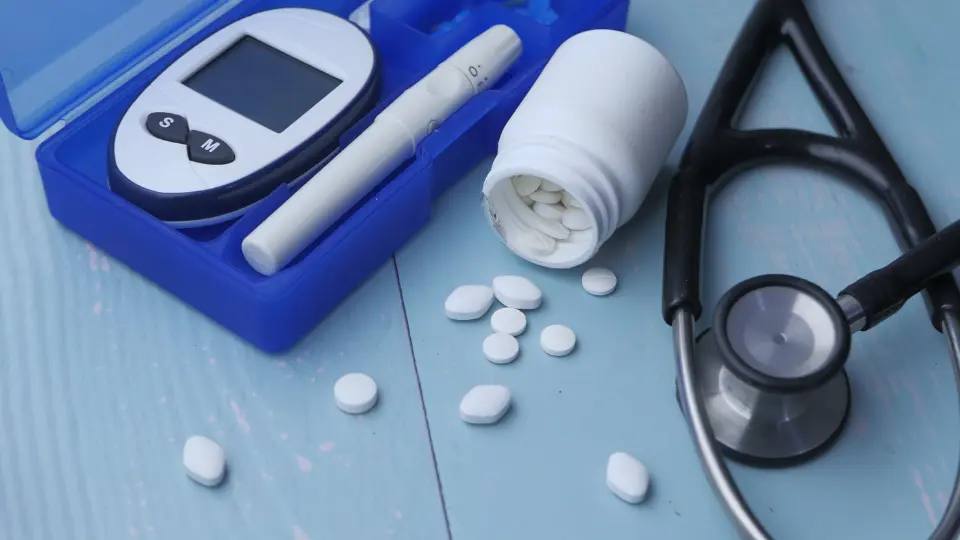
GLP-1, or glucagon-like peptide-1, is a hormone that plays a crucial role in glucose metabolism. Medications that mimic this hormone have become essential in treating type 2 diabetes and aiding weight loss. These medications work by enhancing insulin secretion, reducing glucagon levels, and slowing gastric emptying, which collectively help manage blood sugar levels and promote a feeling of fullness. Furthermore, GLP-1 medications have been linked to cardiovascular benefits, making them a multifaceted option for patients who may also be at risk for heart disease.
Several GLP-1 medications can be prescribed through an online GLP-1 prescription visit. The most commonly requested include:
Semaglutide (Ozempic, Wegovy): Ozempic is FDA-approved for type 2 diabetes; Wegovy is approved specifically for chronic weight management. Both are weekly injections.
Tirzepatide (Mounjaro, Zepbound): Mounjaro targets both GLP-1 and GIP receptors for blood sugar control; Zepbound is its weight-loss counterpart. Also a weekly injection.
Liraglutide (Victoza, Saxenda): A daily injection used for diabetes (Victoza) or weight loss (Saxenda) with a well-established safety profile.
Dulaglutide (Trulicity): A once-weekly injection often chosen for its simple auto-injector pen.
These medications have shown promising results, but accessing them can sometimes be a challenge, especially for those who may not have easy access to traditional healthcare settings. This is where telehealth services come into play. Telehealth not only facilitates consultations with healthcare providers but also allows for remote monitoring of patients' progress, enabling timely adjustments to treatment plans. Additionally, many patients find that telehealth can reduce the stigma associated with seeking help for weight management and diabetes, creating a more comfortable environment for discussing their health concerns.
Moreover, the integration of digital health tools, such as mobile apps and wearable devices, can further enhance the effectiveness of GLP-1 medications. These technologies can track dietary habits, physical activity, and even blood sugar levels, providing valuable data that can be shared with healthcare providers. This comprehensive approach to managing diabetes and obesity not only empowers patients but also fosters a collaborative relationship between them and their healthcare team, ultimately leading to better health outcomes.
Telehealth has revolutionized the way patients access medical care. With the ability to consult healthcare professionals from the comfort of their homes, individuals can receive timely advice and prescriptions without the need for in-person visits. This is particularly beneficial for those managing chronic conditions, such as diabetes, where regular consultations are essential. Moreover, the COVID-19 pandemic accelerated the adoption of telehealth, as both patients and providers sought safer alternatives to traditional face-to-face appointments. As a result, many healthcare systems have integrated telehealth into their standard practices, making it a permanent fixture in the healthcare landscape.
Using telehealth services to obtain GLP-1 medications offers numerous advantages:
Convenience: Patients can schedule consultations at their convenience, eliminating the need for long waits in clinics.
Accessibility: Telehealth breaks down geographical barriers, allowing individuals in remote areas to access specialized care.
Privacy: Many patients feel more comfortable discussing sensitive health issues from home, leading to more open conversations with healthcare providers.
In addition to these benefits, telehealth also facilitates better medication management. Patients can easily follow up with their healthcare providers to discuss any side effects or concerns regarding their GLP-1 medications, ensuring that their treatment plans are tailored to their individual needs. This ongoing communication can lead to improved adherence to prescribed regimens, ultimately resulting in better health outcomes. Furthermore, telehealth platforms often provide educational resources and tools, empowering patients to take an active role in managing their health and understanding their conditions.
Another significant advantage of telehealth is the potential for cost savings. By reducing the need for transportation and minimizing time off work for in-person visits, patients can save money while still receiving high-quality care. Insurance companies are increasingly recognizing the value of telehealth services, with many offering coverage for virtual consultations. This shift not only supports patient access to necessary medications like GLP-1s but also encourages a more efficient healthcare system overall, where resources can be allocated more effectively to meet patient needs.
Among the various telehealth options available, Doctronic.ai stands out as a pioneering service that leverages artificial intelligence to enhance patient care. As the #1 AI Doctor, Doctronic offers free AI doctor visits, making it easier for individuals to receive the information they need regarding GLP-1 medications and other health concerns. This innovative approach not only democratizes access to healthcare but also empowers patients to take charge of their health journeys, fostering a more informed and engaged patient population.
Doctronic utilizes advanced AI technology to provide comprehensive health assessments and treatment recommendations. Patients can engage with the AI doctor through a user-friendly interface, asking questions and receiving personalized responses based on the latest peer-reviewed medical research. This ensures that patients receive accurate and relevant information tailored to their unique health needs. The AI is designed to learn from each interaction, continuously improving its responses and recommendations, which enhances the overall patient experience and builds trust in the service.
Once patients have consulted with the AI doctor, they can take the diagnosis and treatment recommendations to a licensed healthcare provider. This streamlined process allows for swift access to GLP-1 medications, ensuring that patients can begin their treatment without unnecessary delays. Furthermore, Doctronic provides educational resources about GLP-1 medications, including potential benefits and side effects, enabling patients to have informed discussions with their healthcare providers. This holistic approach not only facilitates treatment but also encourages a collaborative relationship between patients and their medical professionals, ultimately leading to better health outcomes.
In addition to its core functionalities, Doctronic.ai is committed to enhancing patient engagement through regular updates and follow-ups. Patients can opt to receive reminders for medication refills, check-ups, and health screenings, ensuring that they stay on track with their treatment plans. The platform also includes a community forum where users can share experiences, ask questions, and support each other in their health journeys. By fostering a sense of community, Doctronic not only addresses individual health concerns but also contributes to a collective understanding of health issues, creating a supportive environment for all users.
For those interested in obtaining GLP-1 medications through telehealth, the process is straightforward:
Visit Doctronic.ai: Start by visiting the website and engaging with the AI doctor.
Consult the AI: Ask questions related to your health and discuss the potential benefits of GLP-1 medications.
Receive Recommendations: Based on your input, the AI will provide tailored advice and treatment options.
Follow Up with a Provider: Take the AI-generated recommendations to a healthcare provider for a prescription.
During your consultation with Doctronic, you can expect a thorough assessment of your health concerns. The AI will ask relevant questions about your medical history, current medications, and specific symptoms. This information will help the AI generate personalized recommendations regarding GLP-1 medications.
As you engage with the AI, it will also guide you through understanding how GLP-1 medications work in the body. These medications mimic the incretin hormones that your body naturally produces, which play a crucial role in regulating blood sugar levels and appetite. By simulating these hormones, GLP-1 medications can help you manage weight and improve glycemic control, making them a valuable option for individuals with type 2 diabetes or those looking to lose weight. The AI may also provide insights into lifestyle modifications that can complement the medication, such as dietary changes and exercise routines tailored to your specific needs.
Moreover, the AI consultation is designed to be user-friendly and informative, ensuring that you feel comfortable and empowered throughout the process. You will have the opportunity to ask follow-up questions, clarify any doubts, and even discuss potential side effects or interactions with other medications you may be taking. This interactive approach not only enhances your understanding of GLP-1 medications but also helps build a foundation for a collaborative relationship with your healthcare provider, ensuring that your treatment plan aligns with your overall health goals.
Not everyone who asks for a GLP-1 medication will be prescribed one — and understanding eligibility upfront saves time. Telehealth providers follow the same clinical guidelines as in-person practices.
Standard eligibility criteria for weight management:
BMI of 30 or higher (obesity), or
BMI of 27 or higher with at least one weight-related condition, such as high blood pressure, high cholesterol, or sleep apnea
Standard eligibility criteria for type 2 diabetes:
Confirmed type 2 diabetes diagnosis
Blood sugar not adequately controlled with diet, exercise, or other medications
During a semaglutide telehealth visit or any GLP-1 consultation, the provider will review your BMI, medical history, current medications, and any contraindications. Common reasons a provider may not prescribe a GLP-1 include a personal or family history of medullary thyroid carcinoma or multiple endocrine neoplasia syndrome type 2, active pancreatitis, or pregnancy.
What to have ready before your visit:
Your current weight and height (to calculate BMI)
A list of all current medications and supplements
Any relevant lab work, such as recent A1C results if you have diabetes
Your primary diagnosis goal — weight loss, blood sugar control, or both
Most telehealth platforms, including Doctronic, make it easy to submit this information through a secure intake form before your consultation begins. The provider reviews everything ahead of time so your actual visit is focused on your questions and your treatment plan — not paperwork.
If you don't meet eligibility criteria today, a telehealth provider can still discuss alternative options and lifestyle strategies, and recheck your eligibility as your health picture changes. Telehealth makes it practical to stay in that conversation without scheduling an office visit every time.
Once eligibility is confirmed, prescriptions for GLP-1 medications like Ozempic, Wegovy, Mounjaro, and Zepbound are typically sent electronically to your preferred pharmacy, often the same day as your consultation.
One of the common concerns patients have when seeking medications is the cost and insurance coverage. Fortunately, telehealth services aim to make healthcare more affordable and accessible.
Doctronic offers free AI doctor visits, allowing patients to explore their health concerns without the burden of high consultation fees. For those who opt for telehealth video visits with licensed doctors, the cost is typically under $40, making it a cost-effective solution for many individuals.
Most insurance plans cover GLP-1 medications, but coverage can vary significantly. It is advisable for patients to check with their insurance provider regarding the specifics of their plan. Additionally, Doctronic can assist in navigating insurance questions and finding the best options for obtaining medications.
As telehealth continues to grow, patient experiences provide valuable insights into its effectiveness. Many individuals have reported positive outcomes when accessing GLP-1 medications through telehealth services.
Patients have shared their success stories, highlighting the convenience and efficiency of obtaining GLP-1 medications through telehealth. One patient noted, “I was able to consult with a doctor without leaving my home, and I received my prescription quickly. It made managing my diabetes so much easier.”
Another individual emphasized the personal touch of Doctronic’s AI, stating, “The AI remembered my previous visits and tailored the advice specifically for me. It felt like having a personal doctor who truly understands my health journey.”
While telehealth offers numerous benefits, there are also challenges to consider. Some patients may feel hesitant about relying on AI for medical advice or may prefer face-to-face consultations.
It is essential to recognize that AI is designed to complement traditional healthcare practices rather than replace them. The AI synthesizes vast amounts of medical knowledge to provide informed recommendations, but it is always advisable to follow up with a licensed healthcare provider for personalized care.
Patients should also consider the importance of comprehensive care. While telehealth can provide quick access to medications, ongoing management of chronic conditions requires regular follow-ups and lifestyle adjustments. Doctronic encourages patients to maintain open communication with their healthcare providers to ensure holistic management of their health.
The future of telehealth looks promising, particularly in the realm of chronic disease management. As technology continues to evolve, the integration of AI in healthcare is expected to expand, offering even more personalized and efficient services.
Future innovations may include enhanced AI capabilities, allowing for more detailed health assessments and tailored treatment plans. Additionally, as telehealth becomes more widely accepted, it is likely that insurance coverage for these services will improve, making access to GLP-1 medications even more feasible for patients.
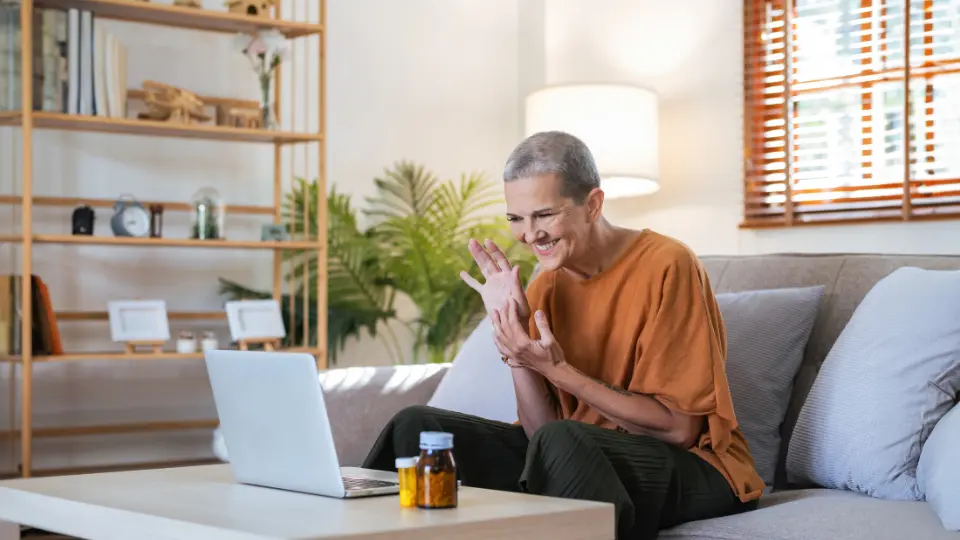
In conclusion, obtaining GLP-1 medications through telehealth represents a significant advancement in healthcare accessibility. Services like Doctronic.ai are at the forefront of this movement, providing patients with the tools they need to manage their health effectively. With the convenience, affordability, and personalized care that telehealth offers, individuals can take proactive steps toward better health outcomes.
As the healthcare landscape continues to evolve, embracing telehealth and AI-driven solutions will be crucial in ensuring that patients receive the care they need, when they need it. Whether managing diabetes or seeking weight loss solutions, telehealth provides a pathway to effective treatment and improved quality of life.
Embrace the innovation that Doctronic brings to your healthcare journey. With our AI-driven platform, you can receive free AI doctor visits and instant, personalized medical advice based on the latest peer-reviewed research. Whether you're seeking GLP-1 medications or have other health inquiries, Doctronic is here to provide quality care at unprecedented speed and convenience. Our telehealth "video visits" with licensed doctors are available 24/7 across all 50 states, ensuring you have access to the care you need, whenever you need it. Join over 10 million people who have experienced the most personal and intelligent healthcare available. Skip the line. Talk to an AI Doctor Now, for free.
Yes — licensed providers can evaluate your eligibility and prescribe GLP-1 medications like Ozempic, Wegovy, Mounjaro, and Zepbound entirely online. The process works the same as an in-person visit: your provider reviews your health history, confirms you meet clinical criteria, and sends a prescription electronically to your pharmacy. No in-person exam is required for most patients.
Telehealth providers can prescribe the full range of FDA-approved GLP-1 medications, including semaglutide (Ozempic for diabetes, Wegovy for weight loss), tirzepatide (Mounjaro for diabetes, Zepbound for weight loss), liraglutide (Victoza, Saxenda), and dulaglutide (Trulicity). The right choice depends on your diagnosis, insurance coverage, and how you respond to treatment.
For weight management, most providers follow FDA guidelines requiring a BMI of 30 or higher, or a BMI of 27 or higher with a weight-related condition like high blood pressure or sleep apnea. For type 2 diabetes, BMI thresholds are less strict — the focus is on whether blood sugar is controlled. A telehealth provider will assess your full picture, not just your BMI.
Costs vary by platform. Doctronic offers free AI doctor visits to help you understand your options, and telehealth video visits with licensed doctors are typically under $40. The bigger cost factor is usually the medication itself — GLP-1 drugs can range from covered under insurance to several hundred dollars per month without coverage. It's worth confirming your plan's formulary before your visit.
Coverage depends on your specific plan and the reason for the prescription. Many commercial insurers cover GLP-1 drugs for type 2 diabetes but are more restrictive for weight loss alone. Medicare Part D generally covers them for diabetes but not yet for obesity as a standalone indication. Checking your formulary and asking about prior authorization requirements before your telehealth visit can prevent surprises at the pharmacy.
Telehealth provides accessible, cost-effective access to GLP-1 medications with virtual consultations often completed within 24-48 hours of initial contact. Most patients can begin treatment immediately if they meet BMI requirements and have documented health history. If you're considering GLP-1 medications for diabetes or weight management, Doctronic can connect you with licensed providers quickly and affordably.
Get weight loss guidance
Chat Now
Join 50,000+ readers using Doctronic to understand symptoms, medications,
and next steps.
Add your phone number below to get health updates and exclusive VIP offers.
By providing your phone number, you agree to receive SMS updates from Company. Message and data rates may apply. Reply “STOP” to opt-out anytime. Read our Privacy Policy and Terms of Service for more details.
Save your consults. Talk with licensed doctors and manage your health history.