Treatments and Prevention
7 Common and Serious Side Effects of Cortizone-10
December 16, 2025
7 min read

Medically reviewed by Alan Lucks | MD, Alan Lucks MDPC Private Practice - New York on January 1st, 2026.
Published on December 31st, 2025. Updated on July 23rd, 2026.
Cortizone-10 is a topical corticosteroid used to relieve itching and inflammation associated with skin conditions such as eczema, psoriasis, and insect bites.
Apply a thin layer to the affected area 1 to 4 times daily, depending on severity and product instructions.
Do not exceed the recommended amount or duration to avoid skin thinning or other side effects.
Children and adults may have different usage guidelines, so always follow label directions or a doctor's advice.
Talk to a healthcare provider through Doctronic.ai for personalized dosage advice or if symptoms persist beyond 7 days.
Yes, Cortizone-10 is a steroid. Its active ingredient, hydrocortisone 1%, is a mild topical corticosteroid that reduces itching, redness, and swelling from common skin irritations like eczema, rashes, and insect bites. Knowing how much to apply and how often is key to using it safely and effectively.
Unlike oral medications, topical steroids like Cortizone-10 don’t have a “dose” in milligrams; instead, they are measured by the amount applied and the frequency. The goal is to use the minimum adequate amount to avoid side effects such as skin thinning or irritation.
Cortizone-10 Dosage Chart
Application Tips
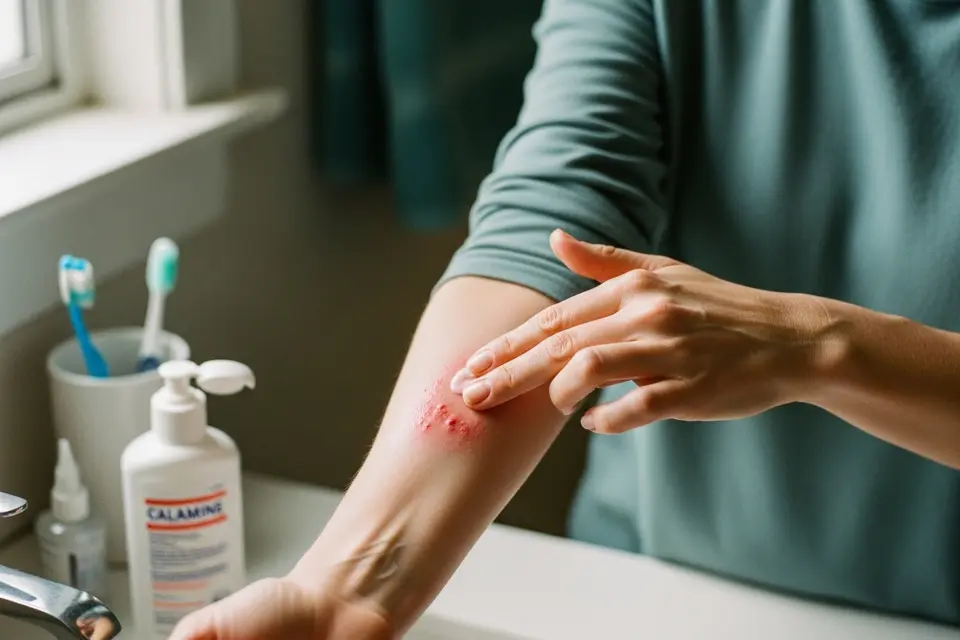
Before applying Cortizone-10, clean and dry the affected skin. Use only a thin layer to cover the irritated area. Avoid applying the cream on broken skin, open wounds, or near the eyes unless directed by a healthcare professional.
Wash your hands before and after application unless you are treating your hands. Consistency matters, so apply at regular intervals as indicated on the packaging or by your doctor.
Typically, Cortizone-10 should not be used for more than seven consecutive days without consulting a healthcare provider. Prolonged use can lead to side effects such as skin thinning, stretch marks, or increased susceptibility to infections.
If symptoms persist beyond a week, it's essential to seek medical advice. Doctronic.ai offers free AI-powered doctor visits and affordable telehealth video visits with licensed doctors available 24/7, so you can get a fast assessment and next steps without leaving home.
Eczema and Dermatitis
For eczema or dermatitis flare-ups, apply a thin layer of Cortizone-10 cream 1 to 4 times daily to the affected skin. Start with once or twice daily and increase frequency only if needed and tolerated.
Use Cortizone-10 to relieve itching and swelling caused by insect bites or minor rashes. Apply a thin layer up to 3 times daily. Avoid excessive use on large areas.
While Cortizone-10 can help reduce inflammation in mild psoriasis, it is usually not sufficient for severe cases. Use as directed, but consult a healthcare provider for tailored treatment plans.
Cortizone-10 works by mimicking the anti-inflammatory signals your body already produces. When you apply it, the hydrocortisone in the cream binds to receptors inside skin cells and tells them to dial back the immune response that causes redness, swelling, and itching.
This mechanism makes it useful for a wide range of mild to moderate skin conditions.
Hydrocortisone narrows the small blood vessels near the skin surface, which limits redness and the release of inflammatory chemicals. This is why eczema and contact dermatitis respond quickly to even a 1% concentration.
Itching in conditions like insect bites, hives, and poison ivy is partly driven by the same inflammatory pathway hydrocortisone blocks. Most people notice itch relief within a few hours of the first application.
Cortizone-10 treats symptoms, not the root cause. For conditions like psoriasis or chronic eczema, it can bring a flare under control, but it does not cure the disease. Ongoing or recurrent flares often need a more targeted treatment plan from a doctor.
Because Cortizone-10 is only 1% hydrocortisone, it is considered a low-potency steroid. It will not work on fungal or bacterial skin infections and can actually make those conditions worse by suppressing the local immune response. If you're unsure whether your rash is inflammatory or infectious, getting a quick medical opinion before applying any steroid is a smart step.
It also does not penetrate deeply enough to cause the systemic effects associated with oral or injected corticosteroids when used as directed. The main risk with Cortizone-10 is prolonged topical use, which can gradually thin the skin in the treated area over weeks to months.
Understanding what Cortizone-10 does helps you use it appropriately, pick the right application schedule, and recognize when your skin condition needs more than an over-the-counter solution.
Adults typically apply a thin layer of Cortizone-10 cream or ointment to the affected area 1 to 4 times daily. The exact frequency depends on the severity of symptoms and the advice of a healthcare professional. Do not exceed 7 days of continuous use without medical supervision.
For children, the same topical application guidelines apply, but with extra caution. Use the smallest amount necessary and limit the treatment duration. Children’s skin is more sensitive, so prolonged or excessive use can increase the risk of side effects.
Always consult a pediatrician or a qualified doctor before using Cortizone-10 on children, especially for infants or toddlers.
If you forget to apply a dose, apply it as soon as you remember. If it is almost time for your next dose, skip the missed one and continue with your regular schedule. Do not double the amount to catch up, as this can increase the risk of side effects.
Skin Sensitivity or Allergies
If you have sensitive skin or a history of allergic reactions, start with a small amount and monitor for any irritation. Discontinue use if you experience worsening redness, itching, or rash.
Avoid applying Cortizone-10 to large areas of skin or to broken skin unless directed by a healthcare provider. Excessive use of corticosteroids can increase systemic absorption and side effects.
Topical overdose is rare but can occur if excessive amounts are applied over large areas or for prolonged periods. Symptoms may include skin thinning, stretch marks, or hormonal imbalances.
Do not use Cortizone-10 near the eyes or mouth unless prescribed. If you experience severe irritation, swelling, or signs of infection, stop use and seek medical attention immediately.
Always follow package instructions or your doctor’s advice.
Use the smallest adequate amount for the shortest duration possible.
Do not cover treated skin with bandages or dressings unless directed.
Keep out of reach of children.
Consult a healthcare provider if symptoms worsen or do not improve within 7 days.
For personalized advice on using Cortizone-10 or any other medication, Doctronic.ai offers free AI-powered doctor visits that provide quick, reliable answers based on the latest medical research. If you need more detailed guidance or a prescription, you can also book affordable telehealth video visits with licensed doctors available 24/7 nationwide.
Doctronic’s AI doctor remembers your health history and tailors recommendations to your unique needs. This makes it an excellent resource for managing medications safely and effectively.
Yes, Cortizone-10 is a mild topical steroid. Its active ingredient, hydrocortisone 1%, belongs to the corticosteroid class of medications. It is available over the counter and is considered low-potency, making it safe for short-term use on most skin areas when used as directed.
Most people notice some relief from itching within a few hours of applying Cortizone-10. Visible reduction in redness and swelling usually follows within one to two days of consistent use. If you see no improvement after seven days, stop using it and speak with a doctor.
Cortizone-10 can be used on the face for short periods, but caution is needed near the eyes and mouth. Facial skin is thinner and more prone to side effects like skin thinning or discoloration with prolonged steroid use. Limit use to a few days and avoid the eyelid area unless a doctor advises otherwise.
Cortizone-10 can be used on children, but with extra care. Children's skin absorbs topical steroids more readily, so use the smallest effective amount for the shortest time possible. Always check with a pediatrician before applying it to infants or toddlers, or before treating large skin areas.
Cortizone-10 contains 1% hydrocortisone, which is the maximum strength available over the counter in the United States. Prescription hydrocortisone creams can be 2.5% or higher and may also come in stronger corticosteroid formulas entirely. If over-the-counter Cortizone-10 is not controlling your symptoms, a doctor can evaluate whether a prescription-strength option is appropriate.
Cortizone-10 is a trusted and effective option for relieving minor skin irritation and inflammation when used correctly. Applying a thin layer 1 to 4 times daily, for no longer than 7 days without medical advice, helps maximize benefits while minimizing risks. Always be cautious with topical steroids, especially on children or sensitive skin. If uncertain, reach out to healthcare professionals through telehealth platforms like Doctronic.ai for tailored guidance and peace of mind.
Get Cortizone-10 dosing guidance
Chat Now
Join 50,000+ readers using Doctronic to understand symptoms, medications,
and next steps.
Add your phone number below to get health updates and exclusive VIP offers.
By providing your phone number, you agree to receive SMS updates from Company. Message and data rates may apply. Reply “STOP” to opt-out anytime. Read our Privacy Policy and Terms of Service for more details.
Save your consults. Talk with licensed doctors and manage your health history.