
Can Zepbound (Tirzepatide) Cause Muscle Cramps?

Medically reviewed by Alan Lucks | MD, Alan Lucks MDPC Private Practice - New York on July 21st, 2026.
Published on July 18th, 2026. Updated on July 21st, 2026.
Key takeaways
Muscle cramps are a possible side effect of Zepbound (tirzepatide), often linked to dehydration or electrolyte shifts from reduced food intake.
Staying well hydrated and maintaining adequate electrolyte levels may help reduce cramping during Zepbound treatment.
Cramps are generally mild and manageable, but severe or persistent muscle pain should be evaluated by a clinician.
Losing weight rapidly can reduce calorie and nutrient intake, which may contribute to muscle cramps in some people.
Doctronic offers free AI consultations 24/7 to help you understand and manage Zepbound side effects safely.
What Zepbound Does in Your Body
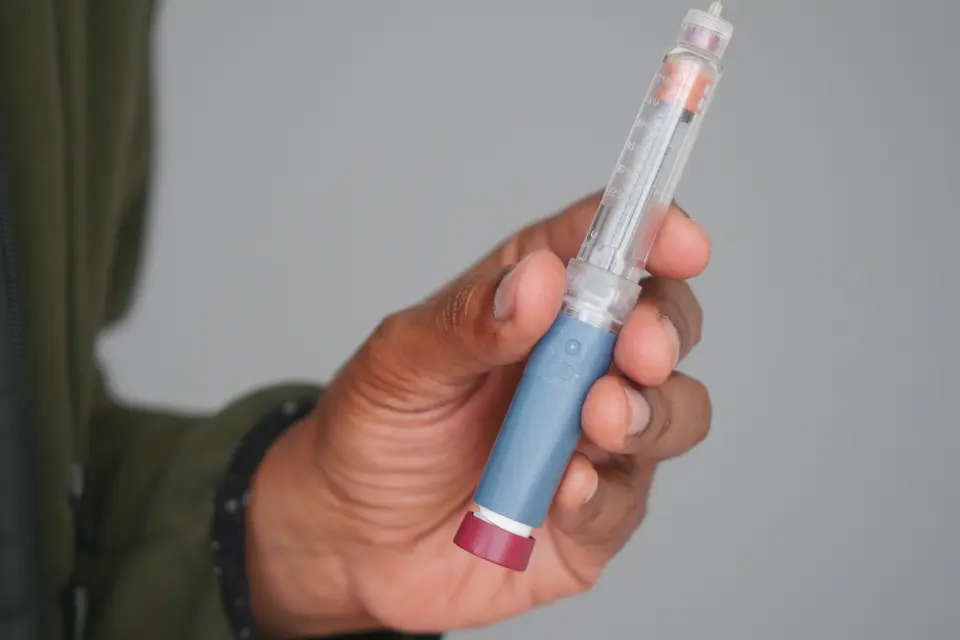
Zepbound is the brand name for tirzepatide, a once-weekly injectable medication approved for chronic weight management. It works by activating two hormone receptors, GIP and GLP-1, that regulate appetite, blood sugar, and digestion. By slowing gastric emptying and reducing hunger signals, tirzepatide helps people eat less and lose weight over time.
Because Zepbound has such a strong effect on appetite, many users experience a noticeable drop in daily food and fluid intake, sometimes without fully realizing it. This shift in eating patterns is where some of the medication's lesser-discussed side effects, including muscle cramps, may begin.
The Connection Between Tirzepatide and Muscle Cramps
Muscle cramps are not listed as one of the top reported adverse events in Zepbound's clinical trial data, but they are something users and prescribers have noted in real-world settings. The likely explanation involves a chain reaction that starts with reduced appetite.
When you eat and drink less, your body takes in fewer electrolytes, particularly sodium, potassium, magnesium, and calcium. These minerals are essential for normal muscle function. When levels fall below what muscles need to contract and relax properly, cramping can result. Dehydration compounds this effect by reducing the fluid available to transport these minerals to muscle cells.
Additionally, tirzepatide can cause gastrointestinal side effects like diarrhea and vomiting, especially early in treatment. Both of these can accelerate fluid and electrolyte losses, potentially raising the risk of cramping further.
Get GLP-1 weight loss treatment online today
A licensed doctor can review your symptoms and send a prescription to your pharmacy, often the same day.
- $39 video visit
- Insurance accepted
- 4.8 on Trustpilot
How Common Are Cramps and Who Is Most at Risk
Clinical trials for Zepbound focused on tracking gastrointestinal side effects, injection site reactions, and metabolic changes. Muscle cramps were not a primary focus of these studies, which makes precise frequency data harder to pin down.
That said, certain groups may be more likely to experience cramping during treatment. People who are very active, those who sweat heavily, older adults with lower baseline muscle mass, and individuals already prone to electrolyte imbalances may notice cramps more often. Anyone who loses weight quickly may also experience a more rapid shift in fluid and mineral balance.
The table below summarizes the key factors that may raise or lower cramping risk while using Zepbound.
Factor |
Effect on Cramping Risk |
|---|---|
Inadequate daily fluid intake |
Increases risk via dehydration |
Low dietary potassium or magnesium |
Increases risk via electrolyte deficit |
GI side effects (diarrhea, vomiting) |
Increases risk via electrolyte loss |
Balanced, nutrient-dense diet |
May reduce risk |
Consistent hydration throughout the day |
May reduce risk |
Slow, gradual dose titration |
May reduce risk by limiting GI side effects |
Managing and Preventing Muscle Cramps on Zepbound
For most people, muscle cramps related to Zepbound are manageable with a few targeted lifestyle adjustments. The first priority is hydration. Aiming for at least eight cups of water per day is a reasonable starting point, though needs can vary based on body size, activity level, and climate.
Beyond plain water, focusing on electrolyte-rich foods can make a meaningful difference. Bananas, avocados, sweet potatoes, spinach, almonds, and dairy products are all solid sources of potassium, magnesium, and calcium. If dietary intake is falling short, an electrolyte supplement or sports drink with low sugar content may help, but it is worth discussing this with a clinician before adding anything new.
Stretching before and after physical activity, especially leg stretches for calf and hamstring cramps, can also reduce cramping frequency. If cramps tend to happen at night, gentle stretching before bed and ensuring adequate magnesium intake may offer relief.
For people on higher doses of tirzepatide, working with a healthcare provider to titrate the dose more gradually can limit gastrointestinal side effects and, by extension, may reduce the electrolyte losses that contribute to cramping.
When to Seek Medical Attention
Most muscle cramps from Zepbound are brief, resolve on their own, and do not signal a serious problem. However, certain warning signs suggest a clinician should be consulted promptly.
Severe cramps that do not ease with stretching or hydration, cramps accompanied by significant weakness, swelling, or numbness, and muscle pain paired with dark or tea-colored urine all warrant a same-day or urgent evaluation. Dark urine in particular could indicate a rare but serious condition called rhabdomyolysis, in which muscle fibers break down and release proteins into the bloodstream.
It is also worth mentioning any new or changing symptoms to the prescribing provider at your next visit, even if they seem minor. Tracking when cramps occur, how long they last, and what seems to trigger them can help your care team identify patterns and adjust your treatment plan if needed. Doctronic, with over 22 million AI consultations completed, can be a convenient first step to help you organize those observations and understand what they might mean before your appointment.
Frequently Asked Questions
Muscle cramps are not among the most frequently reported Zepbound side effects, but they do occur in some users. Nausea, vomiting, and diarrhea are more commonly reported. Cramps may stem from dehydration or low electrolytes, both of which can happen with reduced food and fluid intake during treatment.
Tirzepatide reduces appetite significantly, which can lower overall food and fluid intake. This may lead to dehydration and electrolyte imbalances, particularly low potassium or magnesium. These imbalances are a common trigger for muscle cramps. Rapid weight loss itself can also shift fluid and mineral balance in the body.
Drinking plenty of water throughout the day is a key first step. Eating potassium and magnesium-rich foods like bananas, leafy greens, and nuts may also help. Some people benefit from electrolyte supplements, but you should check with a clinician before adding any new supplement to your routine.
Contact a clinician if your cramps are severe, happen frequently, or come with other symptoms like weakness, dark urine, or swelling. These signs could point to a more serious issue such as significant electrolyte disturbance or, rarely, a condition affecting muscle tissue that needs prompt evaluation.
Serious muscle damage such as rhabdomyolysis has not been established as a known risk of Zepbound in clinical trials. However, any new severe muscle pain, weakness, or dark-colored urine while on the medication should be reported to a doctor right away to rule out rare but serious causes.
The Bottom Line
Muscle cramps are a possible but not highly common side effect of Zepbound (tirzepatide). They most often relate to dehydration or electrolyte changes that can occur when appetite and food intake drop significantly. Staying hydrated, eating nutrient-rich foods, and monitoring your electrolyte levels may help prevent or reduce cramping. Doctronic, the first AI legally authorized to practice medicine in Utah, offers free AI consultations around the clock to help you assess symptoms and explore treatment options. With over 22 million AI consultations completed, Doctronic delivers guidance with 99.2% treatment plan alignment with board-certified physicians. This article is informational and is not a medical diagnosis. Confirm with a licensed clinician, especially for new, worsening, or high-risk symptoms.
Related articles
Get medical advice
Chat Now