

Zepbound vs. Mounjaro: 7 Differences to Know
Understanding Zepbound and MounjaroWhen managing type 2 diabetes, patients often face a variety of medication options. Zepbound and Mounjaro are two such options gaining [...]
Read More
Medically reviewed by Alan Lucks | MD , Alan Lucks MDPC Private Practice - New York on January 2nd, 2026. Updated on April 30th, 2026
Zepbound and Mounjaro are both prescription medications used to manage type 2 diabetes, but they differ in their active ingredients and mechanisms.
Mounjaro contains tirzepatide, a dual GIP and GLP-1 receptor agonist, while Zepbound is a newer medication with a distinct formulation.
Effectiveness, side effects, dosing schedules, and administration methods vary between the two drugs.
Cost and insurance coverage can influence patient choice and accessibility.
Both medications require a healthcare provider’s prescription and monitoring, which can be conveniently accessed through telehealth services like Doctronic.ai.
Patient suitability depends on individual health profiles, including other medical conditions and medication interactions.
Understanding these differences helps patients and providers make informed decisions about diabetes management.
When managing type 2 diabetes, patients often face a variety of medication options. Zepbound and Mounjaro are two such options gaining attention for their effectiveness. Both target blood sugar control but do so in different ways. Knowing their distinctions can help patients and healthcare providers choose the best treatment plan.
Mounjaro is the brand name for tirzepatide, a medication that acts on two incretin receptors: glucose-dependent insulinotropic polypeptide (GIP) and glucagon-like peptide-1 (GLP-1). This dual action helps improve insulin secretion and reduce blood sugar levels more efficiently than older drugs that target only one receptor. Mounjaro is administered via a once-weekly injection. Clinical studies have shown that patients using Mounjaro not only achieve better glycemic control but also experience weight loss, which can be a significant benefit for those managing type 2 diabetes. The convenience of a weekly injection also enhances adherence to treatment, making it easier for patients to incorporate into their routine.
Zepbound is a newer diabetes medication with a different active ingredient and mechanism of action. While it also aims to improve glycemic control, its formulation and receptor targets differ from Mounjaro. This distinction affects how it works in the body, its side effect profile, and dosing frequency. Zepbound is designed to be taken once daily, which may suit patients who prefer a more frequent dosing schedule. Early research suggests that Zepbound may have a favorable impact on cardiovascular health, an important consideration for many individuals with diabetes. As with any medication, understanding the specific benefits and potential side effects of Zepbound can empower patients to engage in informed discussions with their healthcare providers about their treatment options.
Mounjaro’s tirzepatide targets both GIP and GLP-1 receptors, providing a dual incretin effect. This unique mechanism enhances insulin release and lowers glucagon levels, leading to better blood sugar control and weight loss benefits.
Zepbound, on the other hand, uses a different compound that may focus primarily on GLP-1 receptor activation or another pathway. This means its effects on insulin and glucagon might be less broad compared to Mounjaro. Understanding these mechanisms is crucial for patients and healthcare providers when considering treatment options, as the choice of medication can significantly impact overall health outcomes and management strategies for diabetes.
Clinical trials have shown Mounjaro to significantly reduce HbA1c levels and support weight loss in many patients. Its dual receptor targeting is a key factor in its effectiveness.
Zepbound’s effectiveness is promising but may vary depending on patient response and the specific formulation. Some patients might experience similar benefits, while others may find Mounjaro more potent. It is essential for patients to track their blood sugar levels and communicate any changes to their healthcare providers, as this can help in tailoring the treatment plan to achieve optimal results.
Common side effects of Mounjaro include nausea, vomiting, diarrhea, and decreased appetite. These usually diminish over time as the body adjusts.
Zepbound’s side effects might overlap, but could also include unique reactions depending on its active ingredient. It is important for patients to discuss potential side effects with their healthcare provider. Understanding how to manage these side effects can enhance the overall treatment experience, allowing patients to maintain their quality of life while undergoing therapy.
Mounjaro is given once weekly via subcutaneous injection, which many patients find convenient.
Zepbound’s dosing schedule may differ; some formulations require more frequent dosing or different administration methods. This can impact patient adherence and lifestyle compatibility. Patients should consider their daily routines and preferences when discussing medication options with their healthcare provider, as a suitable administration schedule can significantly influence treatment success.
Medication cost is a major consideration. Mounjaro, being well-established, may have broader insurance coverage but can still be expensive without assistance.
Zepbound, might have variable insurance acceptance and pricing. Patients should verify coverage and explore assistance programs. Understanding the financial implications of these medications can help patients make informed decisions, ensuring they receive the necessary treatment without undue financial burden.
Both medications require careful evaluation for patients with kidney or liver issues, gastrointestinal problems, or other chronic conditions.
Providers often recommend telehealth consultations for personalized assessments. Doctronic.ai offers quick access to licensed doctors who can evaluate which medication fits best. This approach not only streamlines the process of finding suitable treatments but also empowers patients to take an active role in their healthcare journey, ensuring they receive tailored advice that considers their unique medical history.
Accessing specialty medications often requires a prescription and ongoing monitoring. Telehealth platforms have made this easier and more convenient.
Doctronic.ai provides affordable, 24/7 telehealth visits with licensed doctors across all 50 states. Patients can discuss their diabetes management, get prescriptions for Zepbound or Mounjaro, and receive guidance without leaving home. This increased accessibility not only enhances patient engagement but also encourages timely interventions, which can be critical in managing chronic conditions effectively.
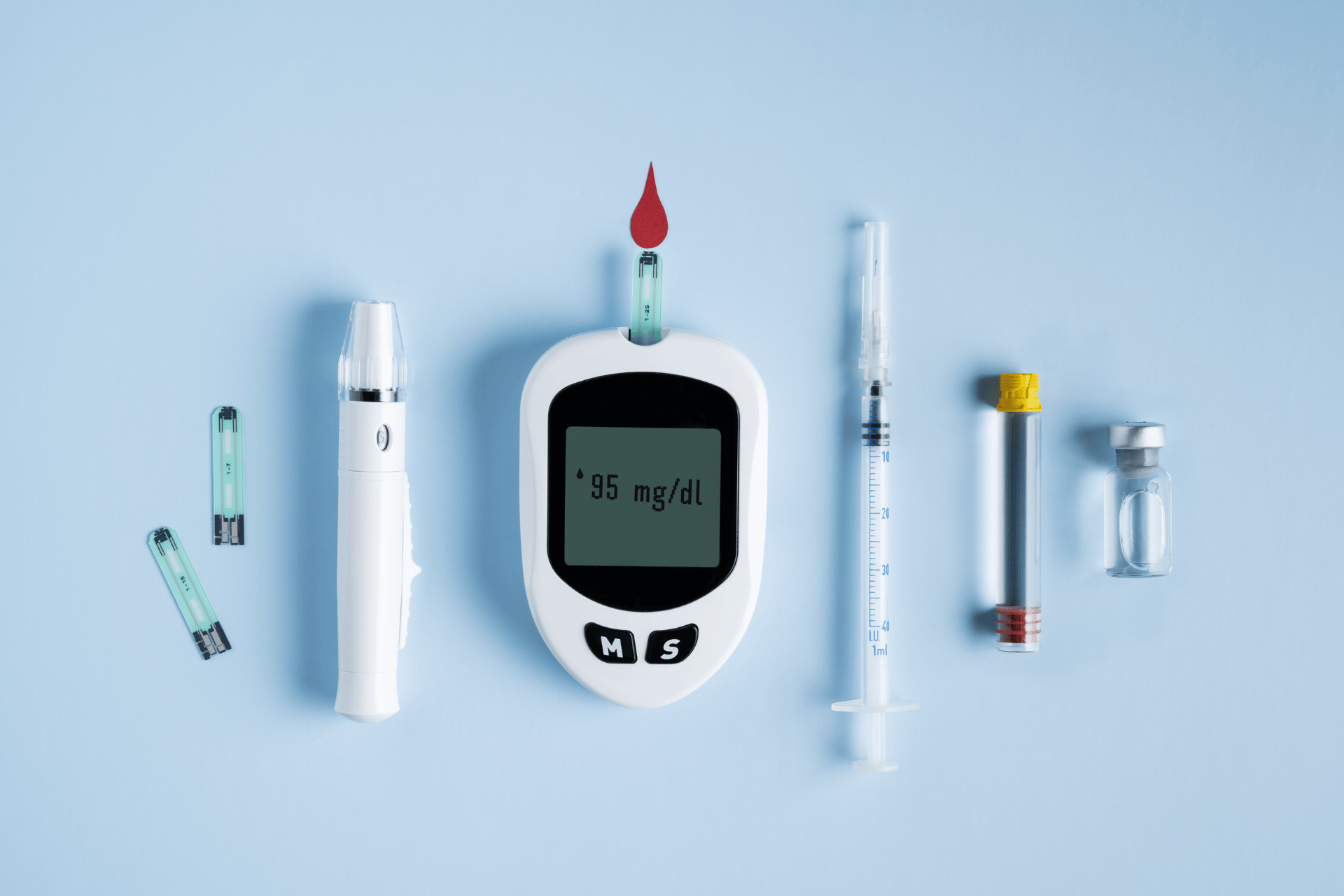 How to Decide Between Zepbound and Mounjaro
Deciding on the right medication depends on your unique health profile, lifestyle, and preferences. A healthcare provider can assess your medical history, current medications, and treatment goals to recommend the best option.
Some patients prioritize fewer side effects or simpler dosing schedules. Others may focus on the most effective blood sugar control. Understanding what matters most to you helps guide the choice.
Telehealth platforms like Doctronic.ai are excellent resources for discussing treatment options. They provide quick, affordable access to medical expertise and prescriptions, saving time and offering personalized care.
Both Zepbound and Mounjaro represent important options in diabetes care. Their differences in mechanism, dosing, and side effects mean the best choice depends on individual needs. Telehealth services like Doctronic.ai make it easier than ever to get expert advice and prescriptions quickly. Taking an active role in your treatment plan and consulting with a trusted healthcare provider can lead to better outcomes and improved quality of life.
Switching medications should always be done under medical supervision. Your healthcare provider can guide you on safely transitioning between treatments if needed.
Both Zepbound and Mounjaro are approved for type 2 diabetes. They are not typically used for type 1 diabetes unless specifically advised by a doctor.
Patients often notice improvements in blood sugar levels within weeks, but full benefits may take several months. Regular monitoring is essential.
Yes, telehealth services like Doctronic.ai offer consultations with licensed doctors who can prescribe these medications when appropriate.
Medication works best alongside a healthy diet, regular exercise, and routine monitoring. Your provider will help tailor a comprehensive plan.
Zepbound and Mounjaro offer effective but different approaches to managing type 2 diabetes, and choosing the right option depends on your health needs, preferences, and cost considerations. Telehealth services like Doctronic.ai make it easy to get expert guidance and prescriptions quickly from home.
Understanding Zepbound and MounjaroWhen managing type 2 diabetes, patients often face a variety of medication options. Zepbound and Mounjaro are two such options gaining [...]
Read More
Join 50,000+ readers using Doctronic to understand symptoms, medications,
and next steps.
Add your phone number below to get health updates and exclusive VIP offers.
By providing your phone number, you agree to receive SMS updates from Company. Message and data rates may apply. Reply “STOP” to opt-out anytime. Read our Privacy Policy and Terms of Service for more details.
Save your consults. Talk with licensed doctors and manage your health history.
