Mental Health
How to Calm an Anxiety Attack: Techniques That Work in the Moment
April 17, 2026
6 min read

Medically reviewed by Veronica Hackethal | MD, MSc, Harvard University | University of Oxford | Columbia Vagelos College of Physicians and Surgeons on May 25th, 2026.
Published on March 27th, 2026. Updated on September 11th, 2026.
Sun exposure causes up to 80% of visible skin aging, making daily SPF the single most effective anti-aging step
Morning routines should layer antioxidants before sunscreen to neutralize free radicals and boost UV protection
Retinoids remain the gold standard for evening repair, stimulating collagen and accelerating cell turnover
Only about one-third of adults wear sunscreen daily, leaving most people vulnerable to preventable photo-aging
Niacinamide and vitamin C work together to correct existing sun damage while preventing future hyperpigmentation
For a routine built around your specific skin concerns, Doctronic.ai provides personalized guidance from AI-powered consultations
The connection between sun exposure and premature aging is not debatable. Dermatologists confirm that sunscreen prevents up to 80% of visible aging caused by UV radiation. Wrinkles, dark spots, and loss of elasticity trace back primarily to accumulated sun damage rather than chronological age. Building the best skin care routine for sun protection and anti-aging requires understanding this relationship first.
Most people underestimate how much UV exposure they receive. A short walk to the car, sitting near a window, or running errands adds up over decades. This cumulative damage breaks down collagen fibers and triggers inflammation that accelerates aging. The good news is that a strategic routine combining protection and repair can slow and even reverse many signs of photo-aging. Doctronic.ai helps users understand their specific skin concerns and build routines that address both prevention and treatment.
Ultraviolet radiation damages skin through two distinct wavelengths. UVB rays burn the surface and damage DNA in skin cells. UVA rays penetrate deeper, destroying collagen and elastin in the dermis. Both types generate free radicals that create oxidative stress, leading to cellular damage that accumulates invisibly for years before showing up as wrinkles and sagging.
The damage happens faster than most people realize. Even brief unprotected exposure triggers molecular changes. Repeated exposure without adequate protection creates a cascade effect where the skin's repair mechanisms become overwhelmed.
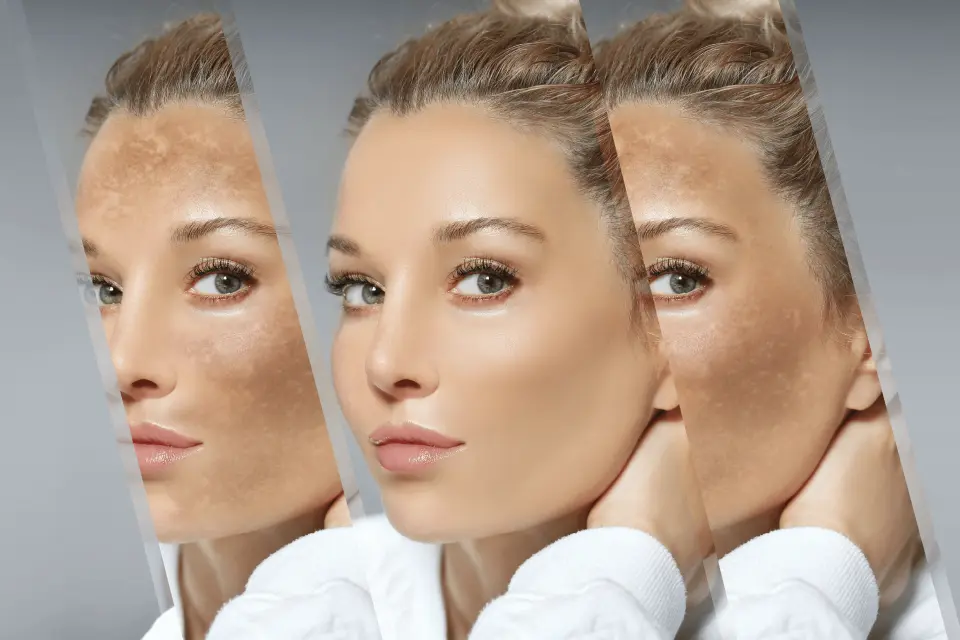
Photo-aging differs from natural aging in key ways. Sun-damaged skin develops deeper wrinkles, uneven pigmentation, and a leathery texture that chronological aging alone does not produce. The collagen degradation from UV exposure is more severe and affects deeper skin layers.
Matrix metalloproteinases, enzymes activated by UV exposure, actively break down existing collagen. Meanwhile, UV radiation impairs the skin's ability to produce new collagen. This double effect explains why sun-damaged skin ages dramatically faster than protected skin.
Antioxidants applied before sunscreen create a secondary defense layer. Vitamin C serums neutralize free radicals that slip past UV filters. This combination provides better protection than sunscreen alone. A stable L-ascorbic acid formula at 10-20% concentration (for most skin types) offers the strongest evidence for efficacy.
Apply antioxidant serums to clean, dry skin and allow two minutes for absorption before layering other products. This timing ensures maximum penetration and effectiveness.
Broad-spectrum protection against both UVA and UVB rays is non-negotiable. SPF 30 blocks about 97% of UVB rays, while SPF 50 blocks about 98%. The difference matters less than consistent application. Mineral sunscreens with zinc oxide provide the most reliable UVA protection.
Experts agree that daily SPF use is the best anti-aging step, even during winter months when UV exposure seems minimal. Apply approximately 1/4 teaspoon to the face and neck every morning, regardless of weather or indoor plans.
A compromised skin barrier allows more UV damage and accelerates moisture loss. Hyaluronic acid serums draw water into the skin, while ceramide moisturizers strengthen the barrier itself. This hydration layer also helps sunscreen spread evenly and adhere better throughout the day.
Dehydrated skin shows fine lines more prominently and heals from damage more slowly. Proper hydration supports all other anti-aging efforts.
Retinoids remain unmatched for reversing existing photo-damage and preventing new signs of aging. These vitamin A derivatives increase cell turnover, stimulate collagen production, and fade hyperpigmentation. Prescription tretinoin offers the strongest results, while over-the-counter retinol provides gentler benefits.
Start with a low concentration two to three nights per week. Increase frequency gradually as skin adjusts. Irritation is common initially but typically resolves within six to twelve weeks of consistent use.
Peptides signal skin cells to produce more collagen and elastin. Copper peptides and matrixyl show the strongest evidence for efficacy. Growth factors derived from stem cells or bioengineered sources support cellular repair processes.
These ingredients work best alongside retinoids rather than as replacements. They provide additional support for skin recovering from daily UV exposure.
Sunscreen and environmental pollutants require thorough removal each evening. An oil-based cleanser dissolves sunscreen and makeup, while a water-based cleanser removes remaining residue. Skipping this step leaves a film that interferes with nighttime product absorption.
Incomplete cleansing also allows pollutants to generate free radicals overnight, extending oxidative damage when skin should be recovering.
Niacinamide addresses multiple signs of sun damage simultaneously. This vitamin B3 derivative reduces inflammation, strengthens the skin barrier, and inhibits melanin transfer to improve uneven pigmentation. Concentrations of 5-10% show optimal results without irritation.
Niacinamide pairs well with most other actives and can be used morning and evening. It also helps reduce the irritation sometimes caused by retinoids.
Vitamin C inhibits tyrosinase, the enzyme responsible for melanin production. Regular use fades existing dark spots while preventing new ones from forming. The antioxidant benefits also protect against future UV damage.
Stability matters significantly with vitamin C products. Look for formulas in opaque, airless packaging and store them away from light and heat.
Despite knowing sunscreen matters, only around one-third of adults wear it daily, while many skip it entirely. Reapplication every two hours during sun exposure is essential since no sunscreen provides all-day protection. UPF-rated clothing offers reliable protection without reapplication concerns.
Wide-brimmed hats and UV-blocking sunglasses protect areas that sunscreen often misses. These physical barriers complement topical protection.
What you eat affects how your skin responds to UV damage. Lycopene from tomatoes, astaxanthin from salmon, and polyphenols from green tea provide internal antioxidant support. These compounds do not replace sunscreen but offer an additional protective layer.
Adequate hydration, omega-3 fatty acids, and sufficient vitamin D obtained through diet or supplements support overall skin health and repair capacity.
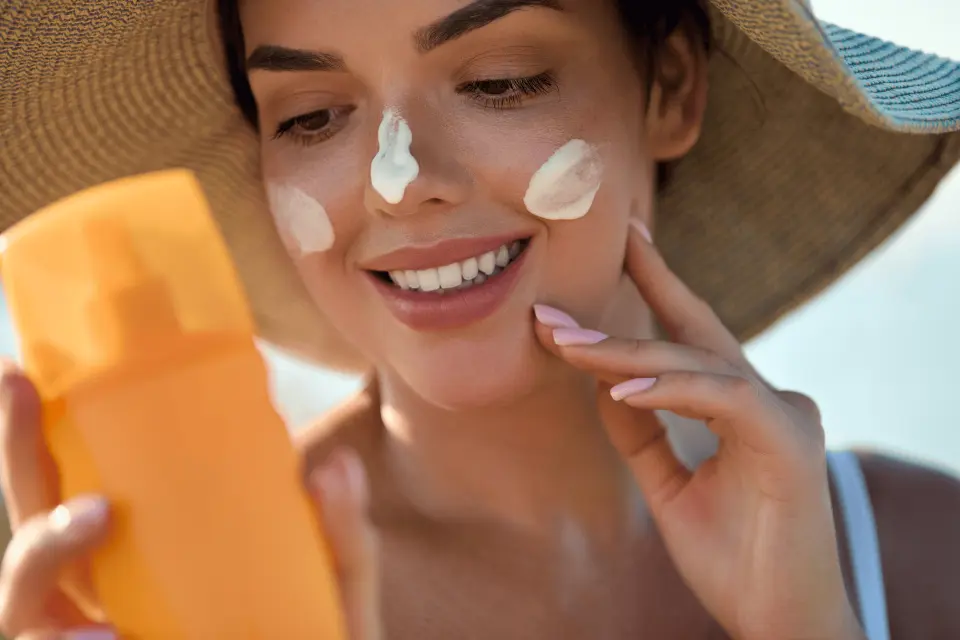
SPF 30 provides sufficient protection for daily use when applied correctly and reapplied as needed. Higher SPF numbers offer marginally more protection but do not justify skipping reapplication.
Yes, these ingredients can be used together. Apply vitamin C in the morning for antioxidant protection and retinoids at night for repair. Some people alternate nights if irritation occurs.
Sunscreen prevents new damage immediately. Retinoid results typically appear after 8 to 12 weeks of consistent use. Hyperpigmentation improvement from vitamin C requires 6-12 weeks.
Yes. UVA rays penetrate windows, and blue light from screens has limited but possible contribution to skin damage. Daily SPF protects against cumulative exposure from all sources.
Rapid changes in skin texture, new or changing spots, or concerns about skin cancer warrant professional evaluation. Doctronic.ai offers convenient access to medical guidance for skin concerns and can help determine when in-person evaluation is needed.
Building the best skin care routine for sun protection and anti-aging requires daily SPF, evening repair with retinoids, and targeted ingredients for existing damage. Consistency matters more than expensive products. For personalized guidance on skin health concerns, Doctronic.ai provides AI-powered medical advice and affordable telehealth visits with licensed doctors available 24/7.
Get skin care advice
Chat Now
Join 50,000+ readers using Doctronic to understand symptoms, medications,
and next steps.
Add your phone number below to get health updates and exclusive VIP offers.
By providing your phone number, you agree to receive SMS updates from Company. Message and data rates may apply. Reply “STOP” to opt-out anytime. Read our Privacy Policy and Terms of Service for more details.
Save your consults. Talk with licensed doctors and manage your health history.