


The doctor was very thorough and asked…
The doctor was very thorough and asked me alot of questions. Very polite and genuinely concerned about the situation. I am very impressed and thankful for the visit
Metabolic syndrome is a cluster of conditions including high blood sugar, excess abdominal fat, high blood pressure, and abnormal cholesterol levels that together raise your risk of heart disease, stroke, and type 2 diabetes. Doctronic connects you with licensed physicians who can evaluate your risk factors and build a personalized treatment plan.
 Private & Secure
 Available 24/7
 Get care in minutes
Fortamet (Metformin)
Metformin
A first-line oral medication that reduces hepatic glucose production and improves insulin sensitivity, commonly used when metabolic syndrome has progressed to prediabetes or type 2 diabetes.
Jardiance (Empagliflozin)
Empagliflozin
An SGLT-2 inhibitor that lowers blood sugar by promoting urinary glucose excretion; also associated with reductions in blood pressure, body weight, and cardiovascular risk.
Micardis (Telmisartan)
Telmisartan
An angiotensin II receptor blocker (ARB) used to manage elevated blood pressure, a key component of metabolic syndrome, with evidence of beneficial effects on insulin sensitivity.
Vascepa (Icosapent Ethyl)
Icosapent Ethyl
A highly purified omega-3 fatty acid prescription medication used to lower elevated triglycerides, which are frequently elevated in metabolic syndrome and carry cardiovascular risk.
Chat for free, see an online doctor for $39/visit, or renew a prescription online for as low as $0
 Available in all 50 states + DC
 Insurance accepted












Start a Free Chat With Doctronic
Doctronic answers your health questions with personalized medical insights and helps our doctors create a better treatment plan for you.
Meet With a Licensed Doctor For Treatment
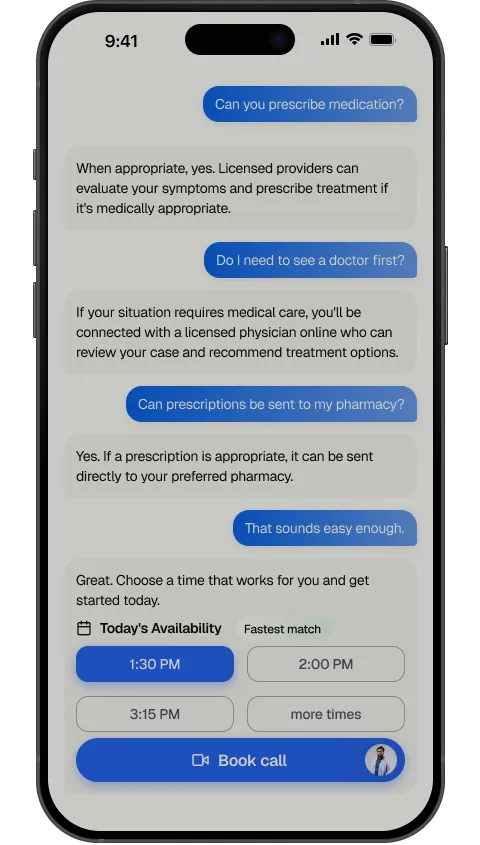
Book a $39 telehealth appointment (or copay), with an average wait of about 5 minutes. Our doctors create personalized treatment plans with prescriptions when needed.
Pick Up Your Prescription
Our doctors prescribe non-controlled medications in all 50 states and send prescriptions to your pharmacy for same-day pickup.
Metabolic syndrome is a cluster of metabolic abnormalities marked by abdominal obesity, elevated blood pressure, high fasting blood sugar, elevated triglycerides, and low HDL cholesterol. It can significantly increase the risk of cardiovascular disease, type 2 diabetes, and stroke. With the right treatment plan, lifestyle changes, and medication support, many people with metabolic syndrome can meaningfully reduce their risk and improve their overall health.

Doctronic supports adults who have been diagnosed with metabolic syndrome or who have been told they have multiple related risk factors such as high blood pressure, high blood sugar, excess waist circumference, or abnormal cholesterol levels. A Doctronic physician can review your labs, history, and current medications to create a coordinated treatment plan.
Because metabolic syndrome involves the cardiovascular and endocrine systems, your eligibility evaluation will take into account your cardiometabolic history, any existing diagnoses such as prediabetes or hypertension, and your current medications or supplements. Adults 18 and older in any U.S. state are welcome to start an evaluation.
Metabolic syndrome is diagnosed when a person has three or more of the following: a waist circumference greater than 40 inches in men or 35 inches in women, triglycerides of 150 mg/dL or higher, HDL cholesterol below 40 mg/dL in men or 50 mg/dL in women, blood pressure of 130/85 mmHg or higher, and fasting blood glucose of 100 mg/dL or higher. A physician reviews labs and physical measurements to confirm the diagnosis.
Yes, metabolic syndrome can often be reversed or significantly improved through sustained lifestyle changes such as a heart-healthy diet, regular physical activity, and weight loss. In some cases, medications targeting blood pressure, blood sugar, or triglycerides are also needed to reduce overall cardiovascular risk.
The most evidence-supported changes include losing 5 to 10 percent of body weight, following a diet low in refined carbohydrates and saturated fat, engaging in at least 150 minutes of moderate aerobic activity per week, quitting smoking, and limiting alcohol. Even modest improvements in these areas can reduce multiple risk factors simultaneously.
Not everyone with metabolic syndrome requires medication right away. Your physician will weigh the severity of each component, your overall cardiovascular risk, and your response to lifestyle changes before recommending prescription treatment. When individual components such as hypertension or elevated blood sugar are significant, targeted medications are often recommended alongside lifestyle modifications.
Insulin resistance is a central feature of metabolic syndrome. When cells do not respond well to insulin, the pancreas produces more insulin to compensate, which over time can lead to elevated fasting glucose and, if untreated, type 2 diabetes. Addressing insulin resistance through lifestyle changes and medications like metformin can lower this risk.
High triglycerides and low HDL cholesterol are two of the five diagnostic criteria for metabolic syndrome. Together they contribute to a pattern called atherogenic dyslipidemia, which promotes plaque buildup in arteries and raises the risk of heart attack and stroke. Prescription omega-3 fatty acids and other lipid-lowering agents may be used when diet alone is insufficient.
Doctronic uses AI-driven evaluation to gather your symptoms, medical history, and relevant information before connecting you with a licensed physician. The physician reviews your case, determines whether treatment is appropriate, and creates a personalized treatment plan. The entire process is designed to be thorough, convenient, and medically sound.
Yes. Doctronic's platform is HIPAA-aligned and all treatment decisions are made by licensed physicians. Cases are doctor-reviewed and audited to ensure quality and safety. Doctronic serves adults 18 and older in any U.S. state.
People turn to Doctronic and our licensed medical team for support with all types of conditions.