Bone & Joint Health
What Is a Dangerously High Calcium Level and What Does It Mean?
July 21, 2026
6 min read

Medically reviewed by Jerome Albert Ecker | MD, Assistant Professor of Medicine, Duke University - Durham, NC on July 24th, 2026.
Published on January 24th, 2024.
Conservative therapy involves 4-6 weeks of progressive strengthening exercises focusing on quadriceps and hamstring muscles, with success rates of 70-80% for degenerative tears in patients over 40.
Arthroscopic partial meniscectomy removes damaged tissue and requires 3-6 weeks recovery, while meniscus repair surgery preserves the cartilage but demands 3 months of restricted weight-bearing.
Mechanical symptoms like knee locking, clicking, or the inability to fully straighten the leg indicate structural damage that typically requires surgical intervention rather than conservative management.
Age significantly influences treatment success—patients under 30 with acute traumatic tears benefit most from repair surgery, while those over 50 with degenerative changes often respond well to physical therapy alone.
Elite athletes may choose surgery for faster return to competition (6-8 weeks vs 4-6 months), but studies show similar long-term outcomes between surgical and non-surgical treatment in recreational athletes.
Questions about torn meniscus treatment?
Free. Anonymous. Built by doctors.
This article covers general information. Ask Doctronic about your symptoms, medications, side effects, or treatment options.
If you've been diagnosed with a torn meniscus, you may be wondering about your treatment options. The best approach depends on factors such as the type of tear, your age, and your desired recovery timeline. In this article, we'll explore the role of physical therapy and surgery in treating a meniscus tear.
The menisci are two crescent-shaped pieces of cartilage in each knee that act as shock absorbers between the thighbone and shinbone. When you tear a meniscus, your doctor will likely recommend rest, ice, and pain relievers initially.
Get knee pain treatment online today
A licensed doctor can review your symptoms and send a prescription to your pharmacy, often the same day.
Related medications we prescribe
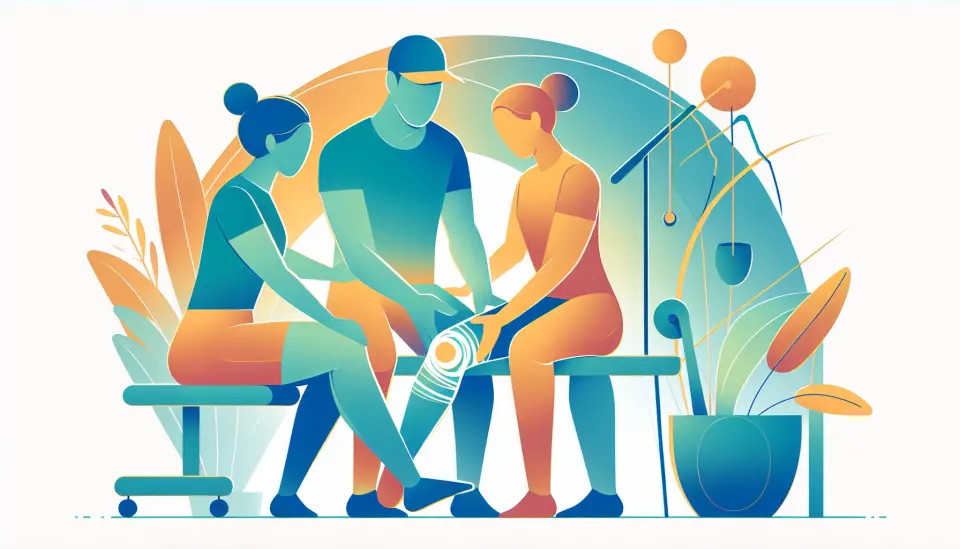
Physical therapy is often part of a conservative treatment approach to avoid surgery, especially for middle-aged individuals or those with osteoarthritis. Even for younger, athletic patients, starting with PT can be effective, depending on the tear's characteristics.
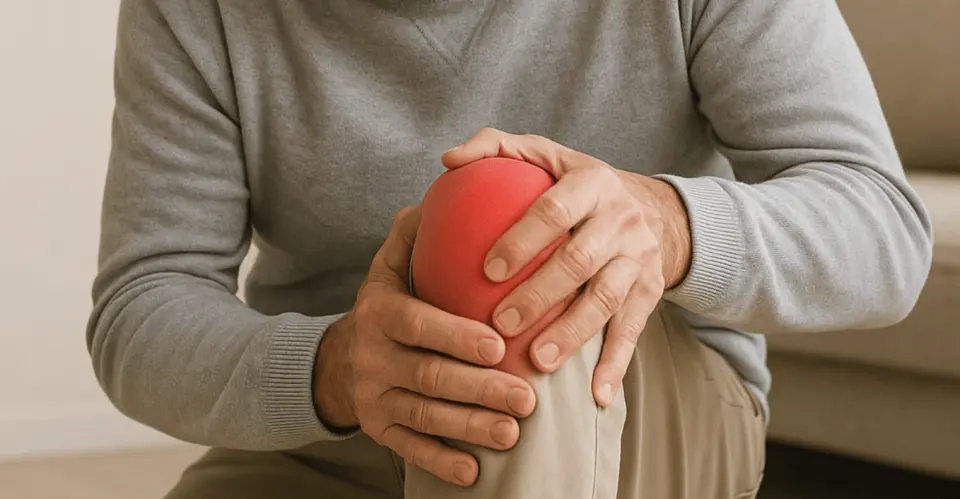
However, if the tear causes your knee to lock up or significantly limits your daily activities, surgery may be the best option. Elite athletes or those who cannot work due to the injury may also opt for surgery to expedite recovery.
Whether you pursue PT as part of conservative treatment or post-surgery, the goal is to restore range of motion, strength, and control. The process typically involves:
Range of motion exercises
Stretches to maintain muscle flexibility
Basic exercises like straight leg raises and toe raises
Advanced exercises with weights and more challenging stretches
It's crucial to progress at a pace that avoids pain and allows proper healing.
The duration of physical therapy depends on factors such as age, tear type, healing response, and whether surgery was performed. Conservative treatment with PT usually lasts 4-6 weeks. Recovery after meniscus removal surgery may take 3-6 weeks, while meniscus repair surgery can require up to 3 months before returning to normal activities.
Remember, every case is unique, so work closely with your healthcare provider to determine the best treatment plan for your torn meniscus.
Most meniscus tears can be successfully treated with physical therapy first, reserving surgery for cases with mechanical symptoms or when conservative treatment fails after 6-8 weeks. The decision should balance your activity goals, age, and tolerance for different recovery timelines. If you're experiencing persistent knee pain or locking symptoms, Doctronic can help evaluate whether your tear requires surgical consultation.
Compare your treatment options
Chat Now