
Allergy and Immunology
Bacterial Skin Rash vs. Sun Rash: How to Tell the Difference
April 17, 2026
4 min read

Medically reviewed by Alan Lucks | MD, Alan Lucks MDPC Private Practice - New York on May 23rd, 2026.
Published on April 15th, 2026. Updated on July 23rd, 2026.
Sun rash affects roughly 10 to 15 percent of the population, with women being two to three times more likely to develop reactions than men
Polymorphous light eruption is the most common form and often improves as skin gradually adapts to sunlight through the season
Medications, skincare products, and certain fragrances can trigger or worsen photosensitive reactions
Broad-spectrum sunscreen with SPF 30 or higher, protective clothing, and gradual sun exposure help prevent flare-ups
Persistent or severe reactions warrant evaluation by a dermatologist to rule out underlying conditions
Doctronic.ai offers telehealth visits to help identify whether symptoms indicate a sun rash or another skin condition
Questions about sun rash?
Free. Anonymous. Built by doctors.
This article covers general information. Ask Doctronic about your symptoms, medications, side effects, or treatment options.
Spending time outdoors should feel refreshing, not painful. Yet for millions of people, sun exposure triggers an uncomfortable skin rash, turning warm-weather activities into medical concerns. Sun rash occurs when the immune system overreacts to ultraviolet radiation, creating inflammation that manifests as red, itchy, or blistered skin. Understanding why skin reacts to sunlight and how to manage these photosensitivity reactions can transform summer from a season of avoidance into one of enjoyment.
A sun rash is any inflammatory skin response triggered by exposure to UV light. Unlike a standard sunburn, which results from direct cellular damage, sun rash involves an immune-mediated reaction. The body essentially treats sunlight as an invader, releasing histamines and other inflammatory chemicals. This distinction matters because treatment approaches differ significantly from basic sunburn care. People sometimes confuse sun rash with heat-related skin reactions, but the triggers and mechanisms are different.
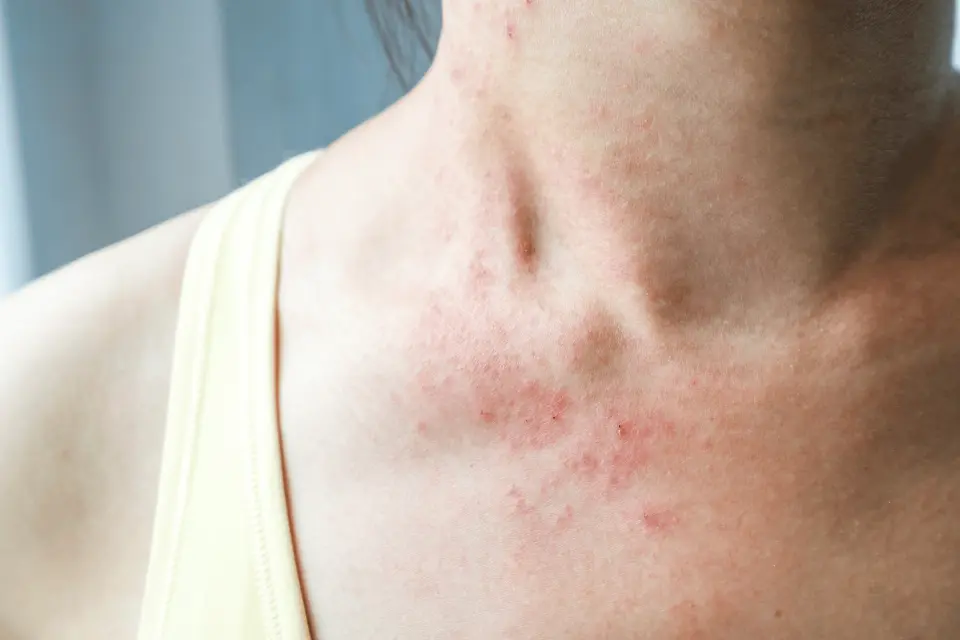
Sun rash typically appears within hours of exposure, though some forms take days to develop. Symptoms include red or pink patches, small bumps or blisters, intense itching, and sometimes burning sensations. The rash commonly affects areas that receive sudden sun exposure after being covered during the winter months: the chest, outer arms, and the backs of the hands.
PMLE is the most common sun-related skin condition, typically occurring in spring or early summer when the skin has not yet adapted to increased UV exposure. The rash appears as small red bumps, raised patches, or fluid-filled blisters. Skin often builds tolerance as summer progresses, meaning symptoms frequently diminish with gradual, repeated exposure.
This hereditary form of photosensitivity runs in families and often begins during childhood. Unlike PMLE, actinic prurigo does not improve with repeated sun exposure and may persist year-round. Symptoms include crusted, thickened skin and scarring on sun-exposed areas.
These reactions occur when UV light interacts with substances applied to or ingested by the body. Phototoxic reactions happen quickly and resemble severe sunburns, while photoallergic reactions develop over 24 to 72 hours and may spread beyond sun-exposed areas. Both types require identifying and eliminating the triggering substance.
Solar urticaria causes hives within minutes of sun exposure. This rare condition produces raised, itchy welts that typically resolve within hours of getting out of sunlight. Severe cases can cause systemic symptoms, including dizziness and difficulty breathing, requiring immediate medical attention.
Many prescription and over-the-counter medications increase sun sensitivity. Antibiotics like doxycycline and ciprofloxacin rank among the most common culprits. Diuretics, NSAIDs, certain antidepressants, and some blood pressure medications also trigger photosensitive reactions. Anyone starting a new medication should ask their pharmacist about sun sensitivity risks.
Retinoids, alpha-hydroxy acids, and benzoyl peroxide increase the skin's vulnerability to UV damage. Citrus-based essential oils, particularly bergamot and lime, contain compounds called furocoumarins that cause severe photosensitivity. Reading ingredient labels and patch-testing new products remains essential for people prone to sun reactions.
When a sun rash develops, getting out of the sunlight is the first priority. Cool compresses applied for 15 to 20 minutes reduce inflammation and soothe itching. A lukewarm oatmeal bath calms irritated skin without stripping natural oils. Staying hydrated supports the skin's healing process from the inside.
Hydrocortisone cream at one percent strength reduces inflammation and itching for mild reactions. Aloe vera gel provides cooling relief and supports healing. Oral antihistamine options like diphenhydramine or cetirizine help control itching, particularly at night. Products like calamine lotion offer another option for drying out blistered areas while reducing discomfort.
Severe or persistent sun rash may require prescription-strength corticosteroid creams or short courses of oral steroids. Dermatologists sometimes prescribe hydroxychloroquine for chronic photosensitivity conditions. Controlled phototherapy, in which the skin is gradually exposed to increasing doses of UV light under medical supervision, can help build tolerance in PMLE patients.
Mineral sunscreens containing zinc oxide or titanium dioxide sit on the skin's surface and physically block UV rays, making them less likely to trigger reactions than chemical sunscreens. Apply SPF 30 or higher 15 to 30 minutes before sun exposure and reapply every two hours. UPF-rated clothing blocks UV rays more effectively than regular fabric, and wide-brimmed hats protect the face and neck.
For PMLE sufferers, controlled early-season sun exposure can reduce reactions throughout summer. Start with 5 to 10 minutes of sun exposure in the morning or late afternoon in early spring, gradually increasing the duration over several weeks. This approach allows the skin to build tolerance before peak summer UV intensity arrives.
Seek professional evaluation when home treatments do not provide relief within a week, when rashes cover large body areas, or when symptoms include fever, chills, or difficulty breathing. Recurring sun rashes warrant investigation to rule out lupus or other autoimmune conditions that cause photosensitivity. Any blistering reaction requires medical attention to prevent infection and scarring.
Most sun rash conditions cannot be cured, but can be effectively managed. PMLE often improves naturally over the years, and some people eventually outgrow their sensitivity. Other forms require ongoing prevention and treatment strategies.
Sun rash is not contagious. It results from an individual’s immune response to UV light, not from bacteria, viruses, or other transmissible agents.
Up to about 70 percent of UV rays can penetrate light cloud cover, meaning photosensitive individuals can develop reactions even on overcast days. UV exposure also occurs through car windows and near reflective surfaces.
Mild reactions usually resolve within two to three days with proper care. More severe cases may take one to two weeks to fully heal. Persistent rashes lasting beyond two weeks require medical evaluation.
Sun rash is a manageable condition when people understand their triggers and take appropriate preventive measures. Combining proper sunscreen use, protective clothing, and gradual sun exposure helps minimize flare-ups throughout the season. For personalized guidance on photosensitivity symptoms or treatment options, Doctronic.ai offers telehealth visits with licensed physicians available around the clock.
Get skin care advice
Chat Now