Diseases and Conditions
Omeprazole Side Effects Timeline: Week by Week Guide
May 17, 2026
5 min read

Medically reviewed by Faith Coleman, University of New Mexico School of Medicine on May 28th, 2026.
Published on April 17th, 2026.
Sun poisoning (not a medical term) goes beyond a typical sunburn, causing severe skin reactions and whole-body symptoms like fever, nausea, and dehydration
Immediate care involves hydration, cool compresses, and anti-inflammatory treatments, but severe cases need medical attention
Consistent broad-spectrum sunscreen use significantly reduces the risk of UV-related skin damage and skin cancer
Doctronic.ai offers telehealth visits for sun-related concerns and can help assess whether symptoms require in-person care
Most people have experienced a sunburn at some point. Red skin, mild discomfort, and peeling are familiar annoyances. Sun poisoning, which is not a medical term but a lay term, is different. This condition represents a severe reaction to ultraviolet radiation that affects not just the skin but the entire body. The symptoms can be alarming and debilitating, leaving people wondering what steps to take next. Understanding the difference between a bad sunburn and sun poisoning helps people recognize when simple home remedies will work and when professional medical care becomes necessary.
Photodermatitis is the medical term for skin inflammation caused by sun exposure. With sun poisoning, the reaction extends beyond localized redness, as the body mounts a systemic inflammatory response. This means the immune system activates throughout the body, not just at the burn site, producing symptoms that feel more like the flu than a skin issue. The severity depends on the duration of exposure, skin type, and individual sensitivity.
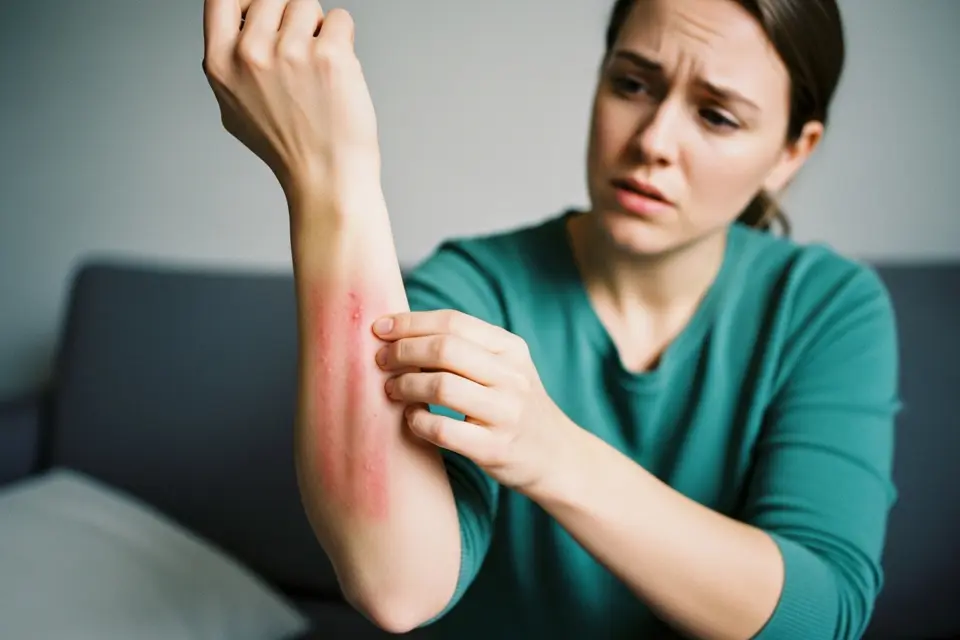
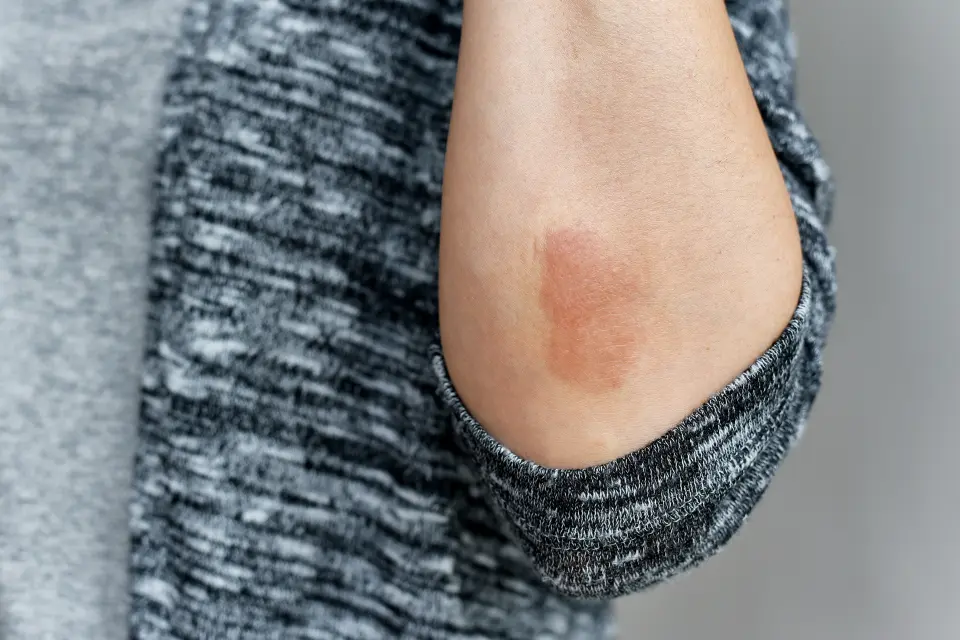
Mild sun poisoning causes intense redness, swelling, and blistering on exposed skin. The skin may feel hot and tight. Severe cases bring systemic symptoms: fever, chills, headache, nausea, and dizziness. Some people develop confusion or feel faint. Dehydration sets in quickly because the damaged skin loses moisture rapidly. The distinction matters because severe symptoms indicate the body is struggling to cope with UV damage and may be developing heat-related illness with the skin reaction.
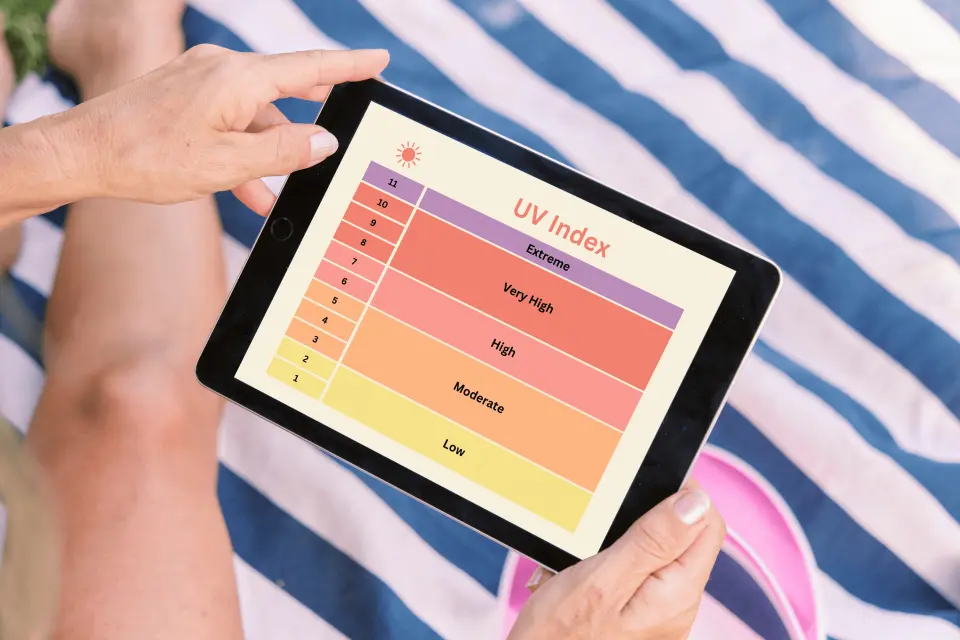
Fair-skinned individuals with less melanin face a higher risk for sun poisoning, and people with red or blonde hair and light-colored eyes burn more easily. Higher altitudes and areas closer to the equator deliver more intense UV radiation. Reflective surfaces like water, sand, and snow can nearly double UV exposure, and peak UV intensity between 10 AM and 4 PM makes timing outdoor activities an important consideration.
Damaged skin loses fluid rapidly, making dehydration a primary concern with sun poisoning. Drinking water alone may not be enough. Electrolyte-rich beverages help restore sodium, potassium, and other minerals lost through damaged skin. Sports drinks, coconut water, or oral rehydration solutions work well. Avoiding alcohol and caffeine is important because both increase dehydration.
Cool compresses provide immediate relief for burning skin. Aloe vera gel applied directly to affected areas reduces inflammation and promotes healing. Over-the-counter hydrocortisone cream can help with itching and swelling. Ibuprofen or acetaminophen reduces inflammation and helps manage pain. Loose, breathable clothing prevents further irritation, and cool baths with colloidal oatmeal soothe widespread burns. For guidance on managing these symptoms at home, understanding when home treatment is enough versus when to seek care makes a significant difference in outcomes.
Certain symptoms demand immediate medical care. Confusion, rapid heartbeat, and extreme thirst indicate severe dehydration. A high fever above 103 degrees suggests the body cannot regulate temperature. Blistering that covers large portions of the body requires professional treatment, and fainting, seizures, or difficulty breathing are emergencies. Young children and elderly adults are particularly vulnerable to complications.
Doctors may prescribe stronger topical steroids for severe inflammation, IV fluids for dehydration that cannot be corrected by oral intake, and antibiotics if blisters become infected. In extreme cases, hospitalization allows for monitoring and aggressive treatment.
Sunscreen selection matters more than most people realize. Broad-spectrum formulas protect against both UVA and UVB radiation, and building strong UV protection habits reduces the cumulative risk of sun damage and skin cancer. Water-resistant formulas last longer during swimming or sweating. Apply sunscreen 15 to 30 minutes before sun exposure and reapply every two hours. Most people use far less sunscreen than needed. A full ounce covers an adult body.
Clothing provides reliable protection that does not wash off or need reapplication. Tightly woven fabrics in darker colors block more UV rays. Wide-brimmed hats protect the face, ears, and neck. UV-blocking sunglasses shield the eyes and surrounding skin. Understanding whether your sunscreen choices are adequate for your specific risk factors helps build a comprehensive prevention plan.

Mild cases typically resolve within three to five days with proper care. Severe cases may take one to two weeks to fully recover. Blistering can extend healing time significantly.
Repeated severe sun damage increases skin cancer risk and accelerates skin aging. Single episodes rarely cause permanent damage if treated properly.
Sun poisoning results from UV radiation damage to individual skin cells and cannot be spread from person to person.
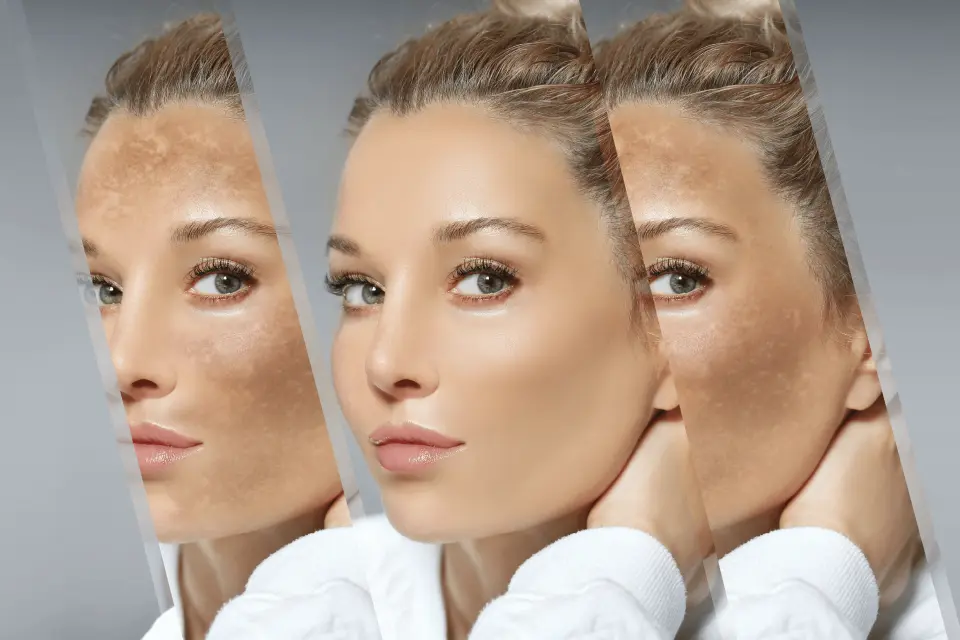
While melanin provides some protection, all skin types can develop sun poisoning with sufficient UV exposure. People with darker skin tones should still use sun protection during extended outdoor activities.
Sun poisoning requires more attention than a typical sunburn and can cause serious complications if ignored. Recognizing the symptoms early, starting treatment promptly, and building consistent sun protection habits prevents most episodes. For quick symptom assessment or questions about sun-related skin concerns, Doctronic.ai offers telehealth visits with licensed physicians available around the clock.
Get skin care advice
Chat Now
Join 50,000+ readers using Doctronic to understand symptoms, medications,
and next steps.
Add your phone number below to get health updates and exclusive VIP offers.
By providing your phone number, you agree to receive SMS updates from Company. Message and data rates may apply. Reply “STOP” to opt-out anytime. Read our Privacy Policy and Terms of Service for more details.
Save your consults. Talk with licensed doctors and manage your health history.