
Can Sunscreen Prevent Sun Poisoning? Dermatologist Tips

Medically reviewed by Alan Lucks | MD, Alan Lucks MDPC Private Practice - New York on May 22nd, 2026.
Published on April 6th, 2026. Updated on July 24th, 2026.
Key takeaways
Sun poisoning is a severe reaction to UV exposure that goes beyond ordinary sunburn, causing symptoms like blistering, fever, and nausea.
Sunscreen with SPF 30 filters about 97% of UVB rays, making it a critical first line of defense against phototoxic reactions.
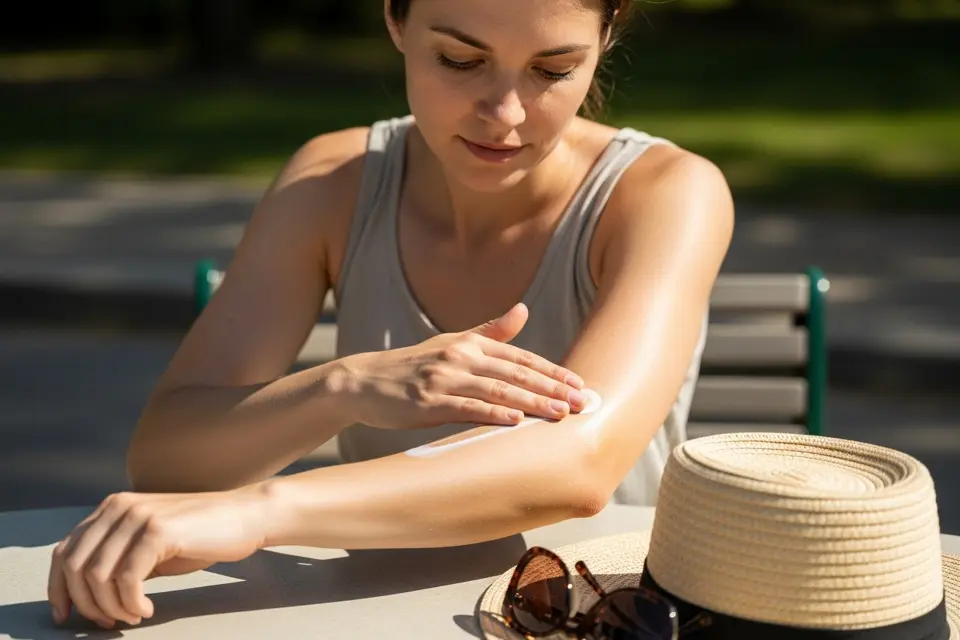
Dermatologists recommend applying sunscreen 15 minutes before sun exposure and reapplying every two hours or after swimming.
The two-finger rule ensures proper application quantity for adequate protection on the face and neck alone.
Sunscreen alone cannot fully prevent sun poisoning: UPF clothing, shade-seeking, and timing outdoor activities matter equally.
For personalized sun safety guidance based on your skin type and medications, Doctronic.ai provides AI-powered consultations with dermatology expertise.
Why Sun Safety Matters More Than You Think
Spending time outside feels good until it does not. Millions of people experience painful sunburns each summer, but fewer understand that severe UV exposure can trigger a condition called sun poisoning. This reaction goes far beyond red, tender skin.
Can sunscreen prevent sun poisoning? Dermatologists say yes, but only when used correctly and combined with other protective measures. The difference between a mild burn and a medical emergency often comes down to preparation and knowledge. Doctronic.ai helps patients understand these distinctions through AI-powered consultations that provide personalized sun safety guidance.
Understanding Sun Poisoning vs. Standard Sunburn
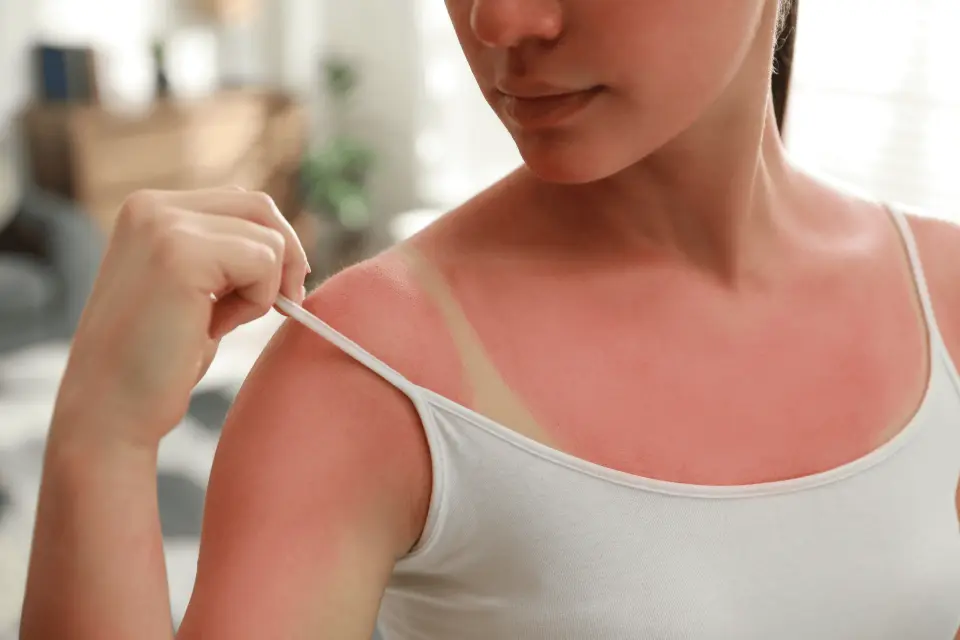
A regular sunburn causes redness, warmth, and peeling that resolves within a week. Sun poisoning represents a much more serious reaction where the body struggles to cope with extreme UV damage. The skin essentially becomes overwhelmed, triggering systemic responses throughout the body.
Common Symptoms of Severe UV Toxicity
Sun poisoning symptoms extend well beyond skin discomfort. Patients often experience:
Intense blistering that covers large areas of exposed skin
Headaches, dizziness, and nausea
Fevers, chills, and flu-like symptoms lasting several days
Severe cases may cause dehydration and confusion, requiring emergency care
Risk Factors and Polymorphous Light Eruption
Certain individuals face higher risks for sun poisoning:
Fair skin, light eyes, and red or blonde hair: Burns more quickly and severely.
Photosensitizing medications: Certain antibiotics and blood pressure drugs amplify UV sensitivity.
Polymorphous light eruption: A specific allergic reaction to sunlight that causes itchy rashes after even brief exposure.
Geographic location and altitude: Higher elevations and equatorial latitudes increase UV intensity.
The Role of Sunscreen in Preventing Phototoxic Reactions
Sunscreen serves as the primary barrier between harmful UV radiation and vulnerable skin cells. When applied correctly, it dramatically reduces the UV dose reaching the skin's surface.
How SPF Filters UV Radiation
SPF numbers indicate how much longer protected skin can withstand sun exposure before burning compared to unprotected skin. Sunscreen with SPF 30 filters about 97% of the sun's UVB rays, while SPF 50 filters about 98%.
No sunscreen blocks 100% of UV radiation, which explains why additional protective measures remain important. The protection works through either physical blocking or chemical absorption of UV photons before they penetrate skin cells.
Broad-Spectrum Protection and UVA Defense
UVB rays cause sunburns, but UVA rays penetrate deeper and contribute to premature aging and cancer risk. Broad-spectrum sunscreen protects against both types.
Dermatologists strongly recommend choosing only broad-spectrum formulas, as UVA protection is often overlooked. Without it, skin sustains invisible damage even when no burn appears. Doctronic.ai consultations can help identify which sunscreen ingredients provide the broadest protection for individual skin types.
Get sunburn treatment online today
A licensed doctor can review your symptoms and send a prescription to your pharmacy, often the same day.
- $39 video visit
- Insurance accepted
- 4.8 on Trustpilot
Related medications we prescribe
Learn moreDermatologist Recommendations for Maximum Protection
Their recommendations go beyond simply owning a bottle of sunscreen. Proper selection, application timing, and quantity all determine whether protection actually works.
Choosing Between Mineral and Chemical Blockers
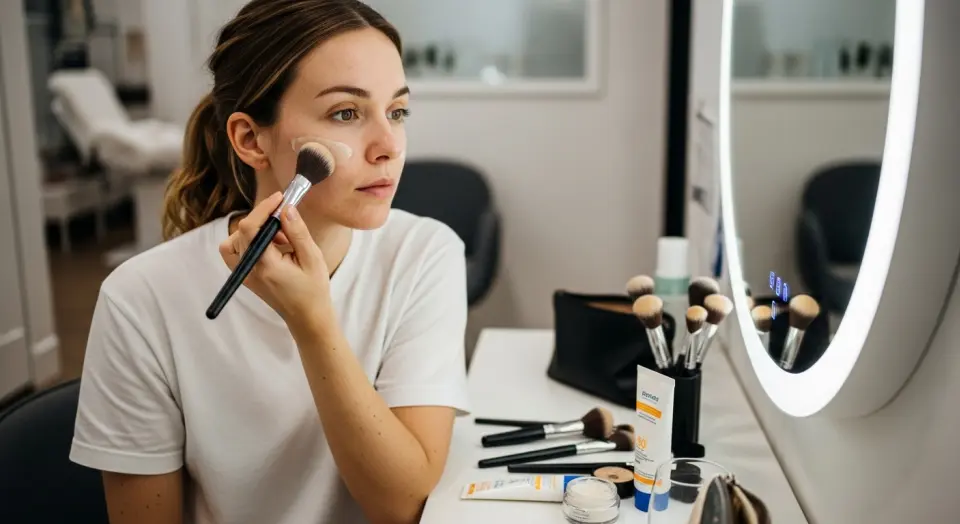
Mineral sunscreens contain zinc oxide or titanium dioxide and sit on the skin's surface to physically deflect UV rays. Chemical sunscreens absorb into the skin and convert UV radiation into heat. Both types work effectively when applied correctly.
Mineral formulas: Suit sensitive skin and provide immediate protection upon application.
Chemical formulas: Spread more easily and feel lighter, but require about 15 minutes to activate after application.
The Importance of Reapplication Timing
Single applications do not last all day. Sunscreen breaks down from UV exposure, sweat, and physical contact with towels or clothing. Dermatologists recommend reapplying every two hours during continuous sun exposure.
Sunscreens can be rated as water-resistant for 40 or 80 minutes, but water-resistant does not mean waterproof. Swimming or heavy sweating requires immediate reapplication afterward, regardless of the time since the last application.
Application Quantity: The Two-Finger Rule
Most people apply far too little sunscreen. The two-finger rule provides a simple guide: squeeze a line of sunscreen along both your index and middle fingers for your face and neck alone. A full body application for an adult requires approximately one ounce, roughly a shot glass worth. Thin applications reduce the effective SPF dramatically, sometimes by half or more.
Why Sunscreen Alone Is Not Enough
Even perfect sunscreen use cannot guarantee complete protection from sun poisoning. Extreme UV conditions, prolonged exposure, and individual sensitivity factors can overwhelm chemical and physical barriers.
UPF Clothing and Physical Barriers
Clothing rated with Ultraviolet Protection Factor provides reliable, consistent coverage that does not wear off or wash away. A UPF 50 shirt allows only 1/50th of UV radiation to reach the skin.
Wide-brimmed hats protect the face, ears, and neck better than any sunscreen application. Sunglasses with UV protection prevent eye damage and reduce squinting that accelerates wrinkle formation.
Seeking Shade During Peak UV Hours
UV intensity peaks between 10 a.m. and 3 p.m. in most locations. Planning outdoor activities for early morning or late afternoon significantly reduces exposure risk.
When midday sun exposure is unavoidable, seeking shade under trees, umbrellas, or structures provides meaningful protection. The shadow rule offers guidance: if your shadow is shorter than you are tall, UV intensity is high.
What to Do if You Suspect Sun Poisoning
Quick action after severe sun exposure can reduce symptom severity and speed recovery.
Immediate Cooling and Hydration Steps
Move indoors or to shade immediately upon noticing severe symptoms. Cool (not cold) compresses applied to affected areas reduce inflammation without shocking damaged skin.
Drink water and electrolyte beverages to combat dehydration, which worsens rapidly with extensive burns. Over-the-counter pain relievers like ibuprofen reduce inflammation and discomfort. Aloe vera gel and fragrance-free moisturizers help soothe damaged skin, but avoid petroleum-based products that trap heat.
When to Seek Professional Medical Care
Certain symptoms require immediate medical attention:
Blistering covering more than 15% of the body
Fevers above 102 degrees Fahrenheit
Severe headache with confusion
Signs of dehydration, like dark urine and dizziness
For patients unsure whether their symptoms warrant an emergency visit, Doctronic.ai offers telehealth consultations to help determine the appropriate level of care. Patients with skin reactions can also explore telehealth dermatology care for professional guidance from home.
Those experiencing severe reactions that may need in-person treatment can learn about urgent care dermatology visits to understand what services are available without a specialist referral.
Frequently Asked Questions
Yes. Up to about 80% of UV rays can pass through clouds, so overcast days still require full sun protection measures, including sunscreen application and protective clothing.
Mild cases resolve within a week with proper care. Severe sun poisoning with extensive blistering may take two weeks or longer to heal completely. Systemic symptoms like fever typically subside within 48 to 72 hours.
Higher SPF provides marginally better protection, but the difference between SPF 30 and SPF 100 is about 3% to 4%. Proper application and reapplication matter more than SPF number alone.
Yes. Antibiotics like doxycycline, certain blood pressure medications, and some antidepressants increase photosensitivity. Patients should consult their healthcare provider about medication interactions with sun exposure.
The Bottom Line
Sunscreen provides powerful protection against sun poisoning when applied correctly and combined with clothing, shade, and smart timing. SPF 30 or higher, broad-spectrum formula, proper quantity, and consistent reapplication form the foundation of effective sun defense.
For personalized sun safety advice or guidance on treating sun-related symptoms, visit Doctronic.ai for AI-powered consultations and telehealth visits with licensed physicians available 24/7.
Related articles
Outdoor Injury First Aid: Essential Emergency Care for Wilderness Adventures

How Long Does Poison Ivy Last? Timeline, Stages, and Recovery Tips
Best Tick Repellents for Hiking, Gardening, and Outdoor Activities
Can Dehydration Cause Chest Pain? Signs, Symptoms & When to Seek Help
Get skin care advice
Chat Now