Diseases and Conditions
Omeprazole Side Effects Timeline: Week by Week Guide
May 17, 2026
5 min read

Medically reviewed by Lauren Okafor | MD, The Frank H Netter MD School of Medicine, Loyola University Medical Center on April 8th, 2026.
Published on April 6th, 2026. Updated on July 23rd, 2026.
A single 200 mg dose of doxycycline within 72 hours can prevent Lyme disease after a high-risk tick bite.
The 72-hour window starts at tick removal, not when the bite originally occurred.
A full treatment course runs 10 to 21 days depending on how far the infection has spread.
Early blood tests often return false negatives because antibodies take 2 to 4 weeks to appear.
Completing the full antibiotic course is essential, even if symptoms improve before the course ends.
Finding a tick attached to your skin triggers immediate worry. Should you take antibiotics? How long do you have to act? What symptoms should you watch for?
These concerns are valid. The CDC reported more than 62,000 confirmed and probable cases of Lyme disease in 2023, making it the most common tick-borne illness in the United States.
Doxycycline remains the first-line treatment for Lyme disease, but knowing when to start treatment after a tick bite requires understanding specific timelines and risk factors. The difference between a single preventive dose and a full treatment course depends on timing, symptoms, and the type of tick involved.
Doxycycline belongs to the tetracycline class of antibiotics. It works by blocking protein synthesis in bacteria, which stops Borrelia burgdorferi from multiplying.
This bacterium causes Lyme disease after entering the bloodstream through an infected tick bite. The medication reaches high concentrations in skin tissue, making it particularly effective against the localized infection that develops at the bite site before spreading throughout the body.
Starting doxycycline early produces excellent outcomes. Patients treated within the first few weeks of infection recover completely in the vast majority of cases. Doctronic.ai can help evaluate symptoms and connect patients with a physician quickly when timing matters most.
Criteria for a Prophylactic Dose
Not every tick bite warrants antibiotics. A single 200 mg dose of doxycycline is recommended within 72 hours of removing a high-risk tick. This approach applies only when specific criteria are met:
The 72-hour window begins when the tick is removed, not when the bite occurred. This timeline exists because the medication works best before the bacteria establish a significant infection.
After 72 hours, a single dose becomes less effective, and watchful waiting or symptom-based treatment becomes the standard approach. Save the tick in a sealed bag if possible, as identification helps determine risk level.
Recognizing the Erythema Migrans Rash
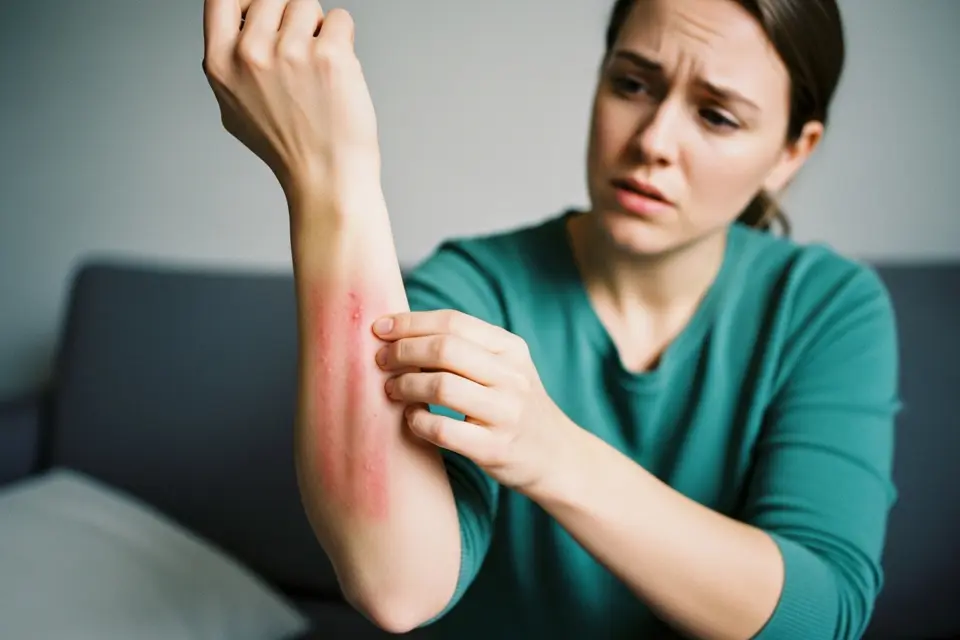
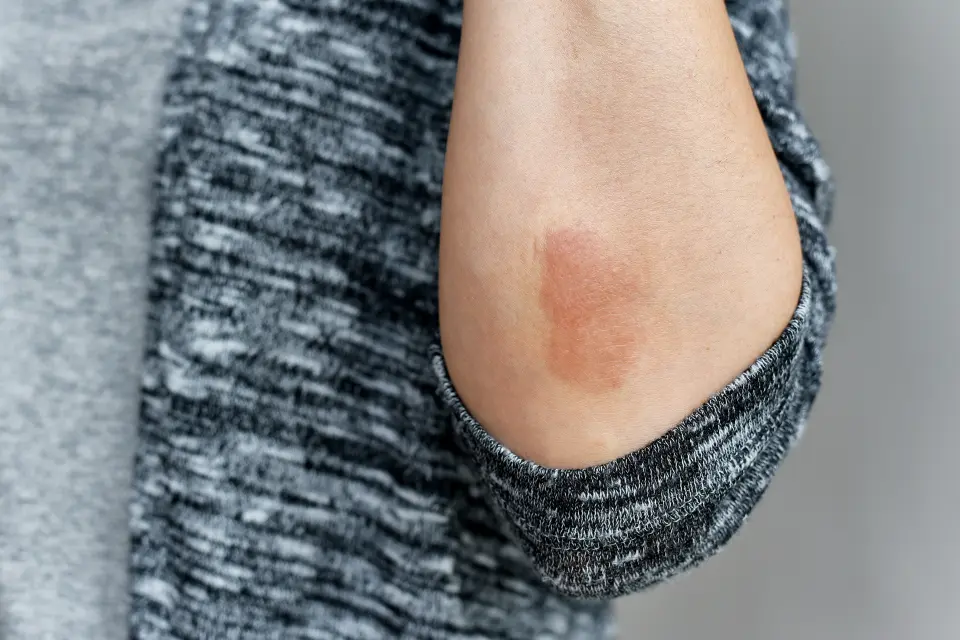
The erythema migrans rash is the hallmark sign of Lyme disease. This expanding red rash often develops a central clearing, creating the classic bullseye appearance.
It typically appears 3 to 30 days after the bite and grows over several days. The rash is not always circular and may appear as a uniform red patch. Any expanding rash after a tick bite warrants immediate evaluation and treatment with a full course of doxycycline.
Some patients develop symptoms without noticing a rash. Flu-like symptoms, including fever, fatigue, headache, and muscle aches, can appear within weeks of infection.
Multiple smaller rashes may develop as the bacteria spread. Facial paralysis, heart palpitations, and joint pain indicate disseminated infection requiring prompt antibiotic therapy.
Blood tests for Lyme disease detect antibodies, not the bacteria itself. The body takes 2 to 4 weeks to produce detectable antibodies after infection. Testing during this window often returns false-negative results.
A negative test does not rule out Lyme disease if symptoms are present. Physicians diagnose early Lyme disease based on clinical presentation, particularly the presence of erythema migrans, rather than relying solely on laboratory results.
Standard Treatment Protocols
Patients should be aware of doxycycline interactions with food and other medications that can reduce the drug's effectiveness.
Doxycycline commonly causes nausea and stomach upset, which can be reduced by taking the medication with food. Esophageal irritation is another concern: swallow with a full glass of water and remain upright for 30 minutes.
The medication also increases sun sensitivity significantly. Wear protective clothing and sunscreen during treatment. Patients can learn more about doxycycline side effects to know what to watch for during their treatment course.
Avoid dairy products, antacids, and iron supplements within 2 hours of taking doxycycline. These substances bind to the medication and reduce absorption.
Doxycycline is contraindicated during pregnancy and breastfeeding due to effects on fetal bone and tooth development. Patients with tetracycline allergies cannot take doxycycline.
Both alternatives are effective when doxycycline is not appropriate.
Most patients treated early experience complete resolution of symptoms within weeks. A small percentage develop post-treatment Lyme disease syndrome (persistent fatigue, pain, and cognitive difficulties that linger after treatment ends).
This condition is not caused by an ongoing infection and does not respond to additional antibiotics. Supportive care and time typically lead to gradual improvement. Our doctors provide ongoing telehealth support for patients managing recovery.
The answer depends on where you are in the process: prevention before symptoms appear, or treatment after they start.
If you caught the tick early and have no symptoms, a single 200 mg dose taken within 72 hours of tick removal may be all you need. This is called post-exposure prophylaxis, and it is only recommended when all four risk criteria are met: the tick is a blacklegged (deer) tick, it was attached for at least 36 hours, you are in a Lyme-endemic area, and you can take the dose within that 72-hour window.
If you have symptoms or missed the window, a full treatment course is the right path:
Yes. Stopping doxycycline early because you feel better is one of the most common mistakes people make. Lyme bacteria can persist in tissues even when symptoms fade. Completing the prescribed course, whether 10 or 21 days, is what drives full clearance and lowers the chance of symptoms returning.
Tick identification matters because not all ticks carry Lyme disease. Blacklegged ticks (also called deer ticks) are the carriers in the northeastern and upper midwestern United States, while dog ticks are common in the same regions but do not transmit Lyme. If you are unsure which species bit you, save the tick in a sealed bag and show it to a provider. Our AI doctor can help you figure out next steps based on your location, tick description, and symptoms.
Some people cannot take doxycycline at all. Pregnant people and children under 8 are typically prescribed amoxicillin instead, and the course length follows the same guidelines above. If you have a tetracycline allergy, cefuroxime is the next option. The length of treatment stays the same regardless of which antibiotic you use.
Most patients notice improvement within several days of starting treatment. The rash begins fading within days. Complete resolution typically occurs within 2 to 3 weeks. Persistent or worsening symptoms require medical reevaluation.
Prompt tick removal is the most effective prevention. Removing a tick within 24 hours significantly reduces transmission risk. Daily tick checks after outdoor activities and wearing protective clothing also reduce exposure.
After 72 hours, watch for symptoms rather than taking preventive antibiotics. Monitor for rash, fever, fatigue, and joint pain for 30 days. Seek evaluation promptly if any symptoms develop.
The single-dose approach remains debated among experts. Some guidelines support it for specific high-risk situations, while others recommend longer courses. Discuss your specific circumstances with a healthcare provider.
If you have no symptoms and caught the tick within 72 hours, a single 200 mg dose is typically recommended rather than a full course. This applies only when the tick is a blacklegged tick attached for at least 36 hours in a Lyme-endemic area. No further antibiotic treatment is needed if you remain symptom-free.
Blacklegged ticks, commonly called deer ticks, are the primary carriers of Lyme disease in the northeastern and upper midwestern United States. Dog ticks are larger, more common, and do not transmit Lyme disease. Correct tick identification determines whether post-exposure doxycycline is appropriate.
If you found a tick, acting quickly makes a real difference. A single dose of doxycycline within 72 hours can prevent Lyme disease when the right conditions are met. If a rash or flu-like symptoms appear, a full 10-to-21-day course is the standard approach. Finishing the complete course matters even when you start feeling better. Our doctors can help you assess your risk, identify the tick, and decide the right next step for your situation. This article is informational and is not a medical diagnosis. Confirm with a licensed clinician, especially for new, worsening, or high-risk symptoms.
Explore treatment options
Chat Now
Join 50,000+ readers using Doctronic to understand symptoms, medications,
and next steps.
Add your phone number below to get health updates and exclusive VIP offers.
By providing your phone number, you agree to receive SMS updates from Company. Message and data rates may apply. Reply “STOP” to opt-out anytime. Read our Privacy Policy and Terms of Service for more details.
Save your consults. Talk with licensed doctors and manage your health history.