Treatment and Prevention
How Spironolactone Works: Understanding This Versatile Medication
January 28, 2026
2 min read

Medically reviewed by Alan Lucks | MD, Alan Lucks MDPC Private Practice - New York on March 7th, 2026.
Published on February 2nd, 2026. Updated on September 11th, 2026.
Spironolactone is an effective hormonal treatment for adult female acne
Clinical studies show up to 85% improvement in acne symptoms
Can be an alternative to oral antibiotics
Works by blocking androgen hormones that contribute to acne
Acne can be a frustrating and persistent skin condition that affects millions of adults, particularly women. While traditional treatments like topical creams and oral antibiotics have long been standard, spironolactone prescribe acne has emerged as a promising alternative for those struggling with hormonal breakouts.
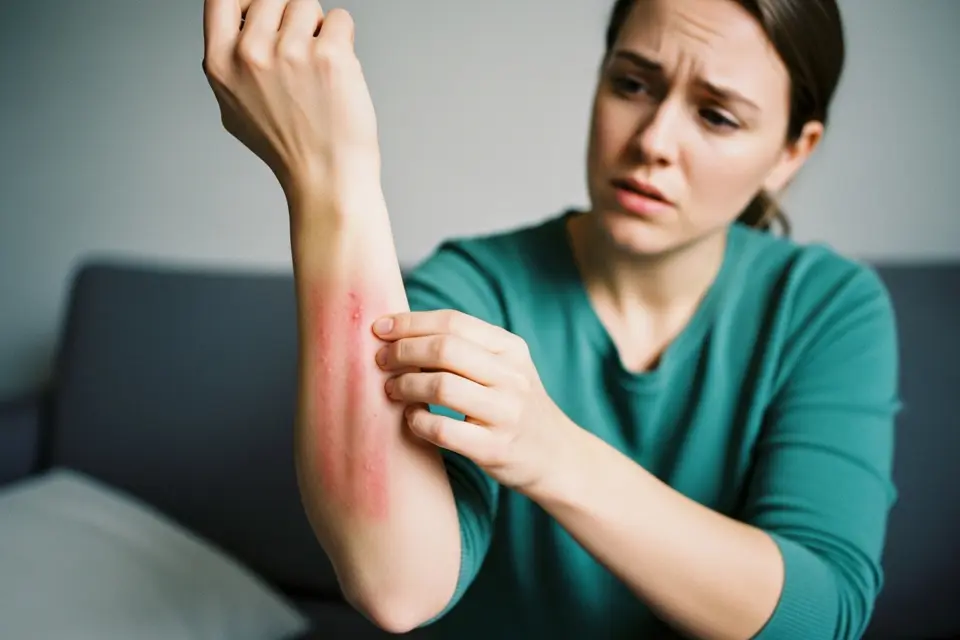
Originally developed as a blood pressure medication, spironolactone has found a unique place in dermatology as an effective acne treatment. Its ability to block androgen hormones makes it particularly useful for women experiencing acne so itchy or persistent breakouts that don't respond to traditional treatments.
Spironolactone works differently from other acne treatments. As an anti-androgen medication, it blocks the effects of male hormones (androgens) that can trigger excess oil production in the skin. This mechanism is particularly effective for women who experience chest acne or hormonal breakouts related to menstrual cycles.
Multiple studies have demonstrated spironolactone's effectiveness in treating acne. A 2020 retrospective case series from the Mayo Clinic found that:
Almost 66% of patients experienced complete acne resolution
Approximately 85% saw significant improvement
Median time to initial response was 3 months
Maximum results were typically seen by 5 months
Most clinical studies suggest optimal dosing between 100-150 mg daily. Patients typically start at a lower dose and gradually increase to minimize potential side effects. Acne for good treatment often requires patience, as full results may take several months to become apparent.
Treatment |
Effectiveness |
Side Effects |
Duration |
|---|---|---|---|
Spironolactone |
High (80-85%) |
Mild |
3-6 months |
Oral Antibiotics |
Moderate |
Potential resistance |
3-6 months |
Topical Treatments |
Low-Moderate |
Minimal |
Ongoing |
While generally well-tolerated, spironolactone can cause some side effects including:
Lightheadedness
Headaches
Potential electrolyte imbalances
Temporary changes in menstrual cycle
Adult women with hormonal acne who have not responded to traditional treatments are typically the best candidates.
Most patients begin to see improvements within 3-5 months of consistent treatment.
It's typically not recommended due to potential hormonal side effects.
Many patients use it as a long-term management strategy for hormonal acne.
Yes, it requires a prescription from a healthcare provider.
Spironolactone offers a promising treatment option for adult women struggling with hormonal acne. Care you can trust. Doctronic is clinically validated with 99% treatment plan alignment.
Explore treatment options
Chat Now
Join 50,000+ readers using Doctronic to understand symptoms, medications,
and next steps.
Add your phone number below to get health updates and exclusive VIP offers.
By providing your phone number, you agree to receive SMS updates from Company. Message and data rates may apply. Reply “STOP” to opt-out anytime. Read our Privacy Policy and Terms of Service for more details.
Save your consults. Talk with licensed doctors and manage your health history.