
Wegovy (Semaglutide) for Seniors: What to Know

Medically reviewed by Alan Lucks | MD, Alan Lucks MDPC Private Practice - New York on July 28th, 2026.
Published on July 25th, 2026.
Key takeaways
Wegovy (semaglutide) may help older adults lose weight and reduce obesity-related health risks, but age-related factors require extra care.
Muscle loss is a key concern for seniors on Wegovy, making protein intake and resistance exercise especially important.
Side effects like nausea, dehydration, and dizziness may be more pronounced in older adults and should be monitored closely.
Seniors often take multiple medications, so a full medication review before starting Wegovy is strongly recommended.
Doctronic offers free AI consultations 24/7 to help seniors and caregivers understand whether Wegovy may be appropriate.
Why Older Adults Are Considering Wegovy
Obesity rates among adults over 60 have risen steadily over the past two decades. For many older adults, excess weight is tied to cardiovascular disease, type 2 diabetes, joint pain, and reduced mobility. Wegovy, a once-weekly injectable form of semaglutide, has emerged as one of the most effective prescription weight-loss tools available, with clinical trials showing average body weight reductions of around 15 percent over 68 weeks.
For seniors, the appeal is clear. Losing even a modest amount of weight can lower blood pressure, improve blood sugar control, and ease pressure on aging joints. A large clinical trial called SELECT also found that semaglutide reduced the risk of major cardiovascular events in people with existing heart disease, a finding that is particularly relevant for older adults.
Still, age changes how the body processes medications, tolerates side effects, and responds to rapid weight loss. That is why seniors and their caregivers are asking more specific questions before starting this medication.
How Semaglutide Works in the Body
Semaglutide belongs to a class of drugs called GLP-1 receptor agonists. GLP-1 is a naturally occurring hormone released after eating. It signals the brain to reduce appetite, slows the rate at which the stomach empties, and helps regulate blood sugar levels by stimulating insulin release.
Wegovy is approved specifically for chronic weight management in adults with a body mass index of 30 or higher, or 27 or higher with at least one weight-related condition. The medication is given as a subcutaneous injection once weekly, starting at a low dose and gradually increasing over several months to reduce side effects.
For older adults, the slower stomach emptying effect deserves attention. This mechanism can interfere with the absorption of oral medications, which matters a great deal for seniors who often rely on several daily prescriptions.
Age-Specific Risks and Considerations
Seniors face a distinct set of challenges when starting any weight-loss medication. The following table summarizes key considerations that differ for older adults compared to younger patients.
Consideration |
Why It Matters for Seniors |
Recommended Approach |
|---|---|---|
Muscle loss (sarcopenia) |
Aging already reduces muscle mass; rapid weight loss accelerates this |
High protein intake, resistance exercise |
Dehydration risk |
Nausea and vomiting reduce fluid intake; kidneys are less efficient |
Monitor fluid intake, report early symptoms |
Polypharmacy |
Slowed gastric emptying alters drug absorption |
Full medication review before starting |
Bone density |
Caloric restriction may affect bone health over time |
Weight-bearing exercise, calcium, vitamin D |
Fall risk |
Dizziness or weakness from reduced intake may increase falls |
Rise slowly, use support if unsteady |
Muscle preservation is arguably the most important issue. Sarcopenia, the gradual age-related loss of muscle mass and strength, is already a serious health concern for adults over 65. Significant caloric reduction from Wegovy can accelerate this process if dietary protein and physical activity are not carefully maintained. Most clinicians recommend that seniors aim for at least 1.2 grams of protein per kilogram of body weight daily while using semaglutide.
Dehydration is another elevated risk. Gastrointestinal side effects, especially in the early months, can reduce both appetite and thirst. Older adults have a naturally diminished thirst response and less efficient kidney function, making them more vulnerable to dehydration-related complications.
Get GLP-1 weight loss treatment online today
A licensed doctor can review your symptoms and send a prescription to your pharmacy, often the same day.
- $39 video visit
- Insurance accepted
- 4.8 on Trustpilot
Talking to Your Doctor: What to Bring Up
Before starting Wegovy, older adults should have a thorough conversation with a clinician. Several specific topics are worth raising.
First, bring a complete list of all medications, including over-the-counter drugs and supplements. Because semaglutide slows gastric emptying, medications that depend on consistent absorption timing, such as certain thyroid drugs, blood thinners, or oral diabetes medications, may need dose adjustments.
Second, discuss your baseline nutritional status. Seniors who already eat limited quantities, have dental problems, or have difficulty cooking may be at higher risk for nutritional deficiencies if appetite decreases further. A referral to a registered dietitian can be a helpful part of a safe treatment plan.
Third, ask about monitoring. Blood pressure, kidney function, and blood sugar levels may all shift as weight changes. Regular follow-up appointments allow a clinician to catch any concerning trends early and adjust the plan as needed.
Finally, discuss realistic goals. For older adults, the aim is not always maximum weight loss. Preserving function, reducing cardiovascular risk, and improving quality of life may be more meaningful targets than a specific number on the scale.
What Results Can Seniors Realistically Expect
Clinical trial data on Wegovy has included adults up to age 75, though older adults were not the primary study population. In general, semaglutide produces significant weight loss across age groups, but the rate and total amount of loss may vary based on starting weight, diet, activity level, and how well side effects are tolerated.
For seniors, even a 5 to 10 percent reduction in body weight can produce meaningful improvements in blood pressure, cholesterol, and mobility. The cardiovascular benefits observed in the SELECT trial are relevant here as well, since many older adults have pre-existing heart conditions that increase their risk of heart attack and stroke.
Doctronic, which has completed more than 22 million AI consultations with a 99.2% treatment plan alignment with board-certified physicians, offers a free starting point for seniors and caregivers who want to understand whether semaglutide might fit their health picture before scheduling an in-person appointment.
Patience is also important. The dose escalation schedule for Wegovy takes about 16 to 20 weeks to reach the full maintenance dose. Trying to rush this process to see faster results often leads to worse gastrointestinal side effects and a higher chance of stopping the medication prematurely.
Cost, Access, and Practical Logistics
Cost remains a significant barrier for many seniors. Wegovy carries a list price of over one thousand dollars per month, and Medicare coverage for weight loss alone has historically been limited. However, coverage for cardiovascular risk reduction indications is an evolving area, and some Medicare Advantage and Part D plans may offer partial coverage.
Manufacturer savings programs exist for commercially insured patients, but seniors on Medicare often do not qualify. Speaking with a pharmacist, a social worker, or a patient assistance navigator can help identify options that reduce out-of-pocket costs.
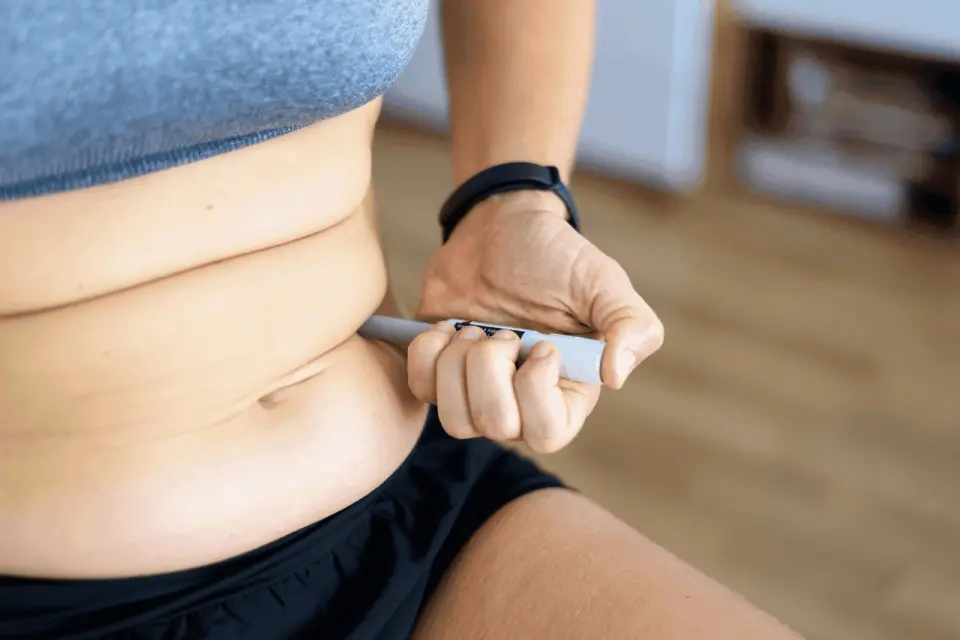
On the practical side, self-injecting a weekly medication can be challenging for seniors with arthritis, limited hand strength, or vision problems. Some caregivers take on this role, and auto-injector pen designs have been made more user-friendly in recent years. It is worth doing a practice run with a nurse or pharmacist before the first dose at home.
Frequently Asked Questions
Wegovy has not been extensively studied in adults over 65, but it is not contraindicated for older adults. Seniors may experience stronger side effects and need closer monitoring. A clinician familiar with your full health history can help determine whether Wegovy is a reasonable option for your situation.
Weight loss from any method can reduce muscle mass, and this risk increases with age. Seniors using Wegovy are generally advised to eat adequate protein and do resistance or strength training regularly. These steps can help preserve muscle while still achieving meaningful weight loss and metabolic benefits.
Wegovy can affect how quickly the stomach empties, which may alter how other medications are absorbed. Seniors taking blood thinners, diabetes drugs, or blood pressure medications may need dosage adjustments. A full medication review with a pharmacist or clinician before starting is an important safety step.
Nausea, vomiting, diarrhea, and reduced appetite are the most common side effects. In older adults, these can more easily lead to dehydration or nutritional deficiencies. Starting at a low dose and increasing slowly, while staying well hydrated, may help reduce the severity of these effects.
Medicare Part D covers Wegovy for cardiovascular risk reduction. It covers weight loss through a temporary $50 per month Bridge program through 12/31/2027. Coverage rules are evolving, so checking with your plan directly or speaking with a benefits counselor can help clarify your current options.
The Bottom Line
Wegovy (semaglutide) offers real potential benefits for older adults dealing with obesity and related conditions like heart disease or type 2 diabetes. However, seniors face unique considerations including muscle preservation, dehydration risk, polypharmacy, and more sensitive side effect profiles. Working closely with a clinician, eating enough protein, and staying active are all key parts of using this medication safely and effectively. Doctronic, the first AI legally authorized to practice medicine in Utah, offers free 24/7 consultations to help you explore your options. This article is informational and is not a medical diagnosis. Confirm with a licensed clinician, especially for new, worsening, or high-risk symptoms.
Related articles
Get personalized health advice
Chat Now