Diseases and Conditions
Omeprazole Side Effects Timeline: Week by Week Guide
May 17, 2026
5 min read

Medically reviewed by Oghenefejiro Okifo | MD, Harvard Medical School | Henry Ford Hospital - Detroit, MI on August 11th, 2026.
Published on September 9th, 2023.
This condition occurs when the patellar tendon repeatedly pulls on the tibial tuberosity (growth plate), causing inflammation and sometimes creating a permanent bony bump that remains even after healing.
Peak incidence happens during rapid growth phases—girls typically affected ages 11-12, boys ages 13-14—when bones grow faster than muscles and tendons can adapt.
Pain specifically localizes just below the kneecap and intensifies with activities involving knee extension like running, jumping, kneeling, or climbing stairs.
Most cases resolve naturally within 12-24 months once the growth plate closes and fuses with the main bone, usually by ages 14-16 in girls and 16-18 in boys.
Ice application for 15-20 minutes after activity, combined with ibuprofen 400mg every 6-8 hours during flare-ups, effectively manages symptoms while maintaining modified activity levels.
Osgood-Schlatter disease (OSD) is a condition that causes knee pain in active children and teenagers. It is an overuse injury that occurs when the tendon connecting the shinbone (tibia) to the kneecap (patella) becomes inflamed. This inflammation leads to pain, swelling, and tenderness just below the kneecap.
OSD is caused by repeated stress on the knee joint, particularly during activities that involve running, jumping, and quick changes in direction. These movements cause the thigh muscles (quadriceps) to pull on the tendon, which can lead to inflammation and pain. Some common sports and activities that may contribute to the development of OSD include:
OSD is more common in boys than girls, but it can affect both sexes. It typically occurs during puberty when children experience rapid growth spurts. Boys usually develop OSD around age 13 or 14, while girls tend to develop it earlier, around age 11 or 12.
The symptoms of OSD can vary from person to person, with some experiencing severe pain and others having milder symptoms. Common signs and symptoms include:
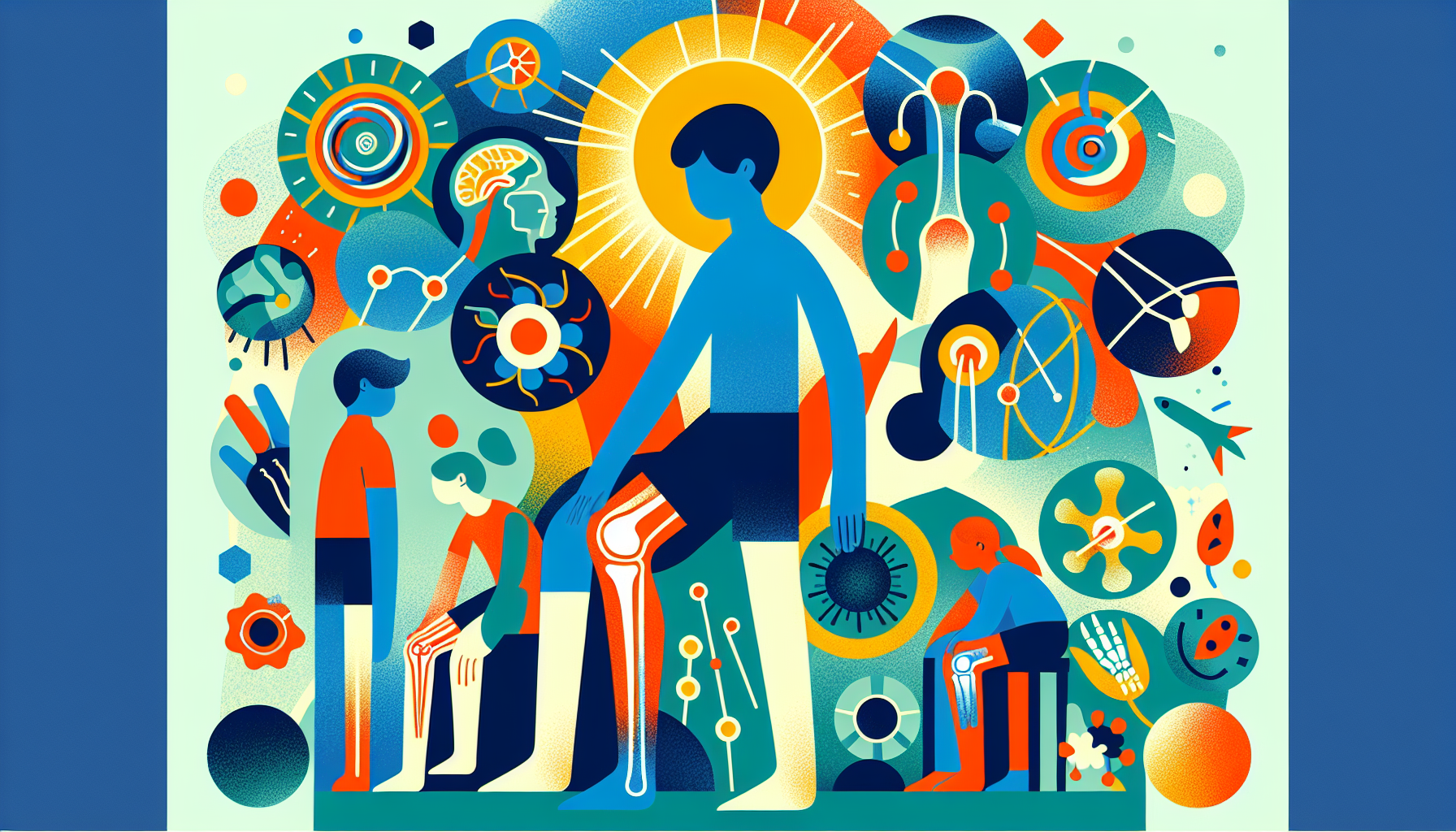
To diagnose OSD, your child's doctor will perform a physical exam, looking for signs of swelling, redness, pain, and tenderness. In some cases, X-rays may be ordered to examine the bones and the area where the tendon attaches to the shinbone.
Most children with OSD do not require specific treatments, as the condition typically improves on its own once the bones stop growing. However, there are several ways to manage the pain and discomfort associated with OSD:
Most children with OSD do not experience long-term complications. While a bony bump may remain on the shinbone after symptoms have resolved, it rarely causes ongoing knee problems. In rare cases, OSD can cause the growth plate to pull away from the shinbone, requiring further medical attention.
If your child is experiencing knee pain or any of the symptoms associated with Osgood-Schlatter disease, it is essential to consult with a healthcare professional for an accurate diagnosis and appropriate treatment plan. With proper management and care, most children with OSD can successfully return to their favorite sports and activities.
For more information about Osgood-Schlatter disease and other common childhood orthopedic conditions, visit:
This self-limiting condition requires patience and activity modification rather than complete rest, as symptoms typically disappear once rapid bone growth ends in late adolescence. The key is managing pain while avoiding high-impact sports that worsen symptoms. If you're concerned about persistent knee pain below the kneecap or need guidance on activity modifications, Doctronic can provide quick answers and peace of mind.
Get personalized health advice
Chat Now
Join 50,000+ readers using Doctronic to understand symptoms, medications,
and next steps.
Add your phone number below to get health updates and exclusive VIP offers.
By providing your phone number, you agree to receive SMS updates from Company. Message and data rates may apply. Reply “STOP” to opt-out anytime. Read our Privacy Policy and Terms of Service for more details.
Save your consults. Talk with licensed doctors and manage your health history.