
Nexplanon Removal Side Effects: What to Expect After Discontinuation

Medically reviewed by Alan Lucks | MD, Alan Lucks MDPC Private Practice - New York on March 3rd, 2026.
Published on January 31st, 2026. Updated on September 11th, 2026.
Key takeaways
Expect temporary physical changes, such as bruising, swelling, and tenderness, at the removal site after Nexplanon is taken out.
Menstrual cycles may take several months to normalize as the body readjusts to natural hormone production.
Side effects like mood swings, skin changes, and irregular periods are typically mild and resolve on their own.
Contact a healthcare provider for persistent or severe symptoms, including no return of your menstrual cycle after six months.
Nexplanon removal side effects are common and usually temporary. Once the implant is taken out, your body stops receiving progestin and begins adjusting back to its natural hormone cycle. Most women experience mild physical changes at the removal site, irregular periods, and mood shifts in the weeks that follow. Knowing what to expect can help you feel prepared.
The Removal Procedure
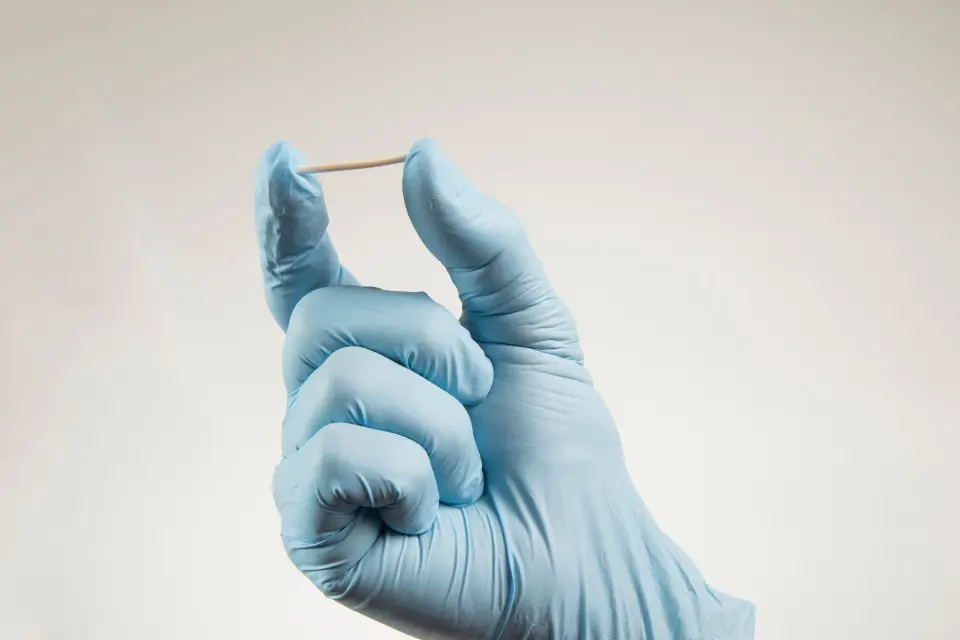
The Nexplanon removal process is typically straightforward and performed in a medical setting. A healthcare provider will use local anesthesia to minimize discomfort while removing the small implant from beneath the skin. Most women experience minimal pain during the procedure, with only slight discomfort at the removal site.
Immediate Physical Side Effects
Immediately following removal, women may notice:
Bruising or slight swelling at the insertion site
Mild soreness around the removal area
Potential light bleeding or spotting
Temporary tenderness when touching the area
Regular check-ins with a provider can help monitor these changes and ensure proper healing after the procedure.
Hormonal Readjustment
The body typically requires several months to readjust to natural hormone production. Some women may experience delayed ovulation or irregular periods during this time. Understanding your care provider's notes can help you track these changes effectively.
Potential Emotional and Physical Changes
Hormonal shifts can impact both emotional and physical well-being. Women might experience:
Mood swings
Changes in energy levels
Potential weight fluctuations
Skin changes
Variation in libido
When to Seek Medical Advice
Contact a healthcare provider if you experience:
Prolonged or heavy bleeding
Severe pain at the removal site
Significant mood disturbances
No return of menstrual cycle after 6 months
Side Effects After Nexplanon Removal: A Timeline
Understanding when side effects typically appear after Nexplanon removal can help you know what is normal and what warrants a call to your provider.
The First 1-2 Weeks
In the days immediately after removal, most women notice localized effects at the implant site. Bruising, mild swelling, and tenderness are the most common complaints during this window. These resolve on their own in most cases. Keeping the area clean and avoiding unnecessary pressure on it helps speed healing.
Weeks 2-6: Hormonal Shift
Once the progestin from Nexplanon clears your system, your body begins producing hormones on its own again. This transition is the main driver of side effects after Nexplanon removal. You may notice:
Irregular or unpredictable periods as your cycle resets
Spotting between periods
Breast tenderness
Headaches or mild nausea
Skin changes, including acne flare-ups in some women
These symptoms are a sign that your body is recalibrating, not that something is wrong.
Months 1-3: Cycle Normalization
For most women, menstrual cycles begin to normalize within one to three months after removal. Ovulation typically returns quickly after the implant is out, sometimes within weeks. If you are not ready to become pregnant, talk to a provider about starting a new contraceptive method right away.
Mood-related changes, including anxiety, irritability, or low mood, are also more common during this phase as estrogen and progesterone levels fluctuate. These tend to improve as hormone levels stabilize.
Beyond 3 Months
If your period has not returned within six months of Nexplanon removal, or if you are experiencing severe or worsening symptoms, that is a signal to follow up with a provider. Prolonged absence of menstruation can sometimes point to an underlying condition like polycystic ovary syndrome or thyroid dysfunction that existed before the implant and was masked by it.
For most women, the adjustment period is manageable and short-lived. Tracking your symptoms in a journal or app can make it easier to spot patterns and share useful information with your provider.
Frequently Asked Questions
Most side effects at the removal site, like bruising and soreness, clear up within one to two weeks. Hormonal side effects such as irregular periods or mood changes typically resolve within one to three months as your body re-establishes its natural cycle. Some women may take up to six months to feel fully back to normal.
Weight changes after Nexplanon removal are possible but not universal. Some women report losing weight that they had gained while on the implant, while others notice little change. Most weight fluctuations during this period are linked to the hormonal shift rather than the removal itself and tend to stabilize over time.
Yes, fertility can return very quickly after Nexplanon removal, sometimes within days. Ovulation may occur before your first period returns, which means pregnancy is possible even before your cycle normalizes. If you are not trying to conceive, start a new contraceptive method right away.
It is common to have irregular or absent periods for a few months after removal as your hormones readjust. However, if your menstrual cycle has not returned after six months, you should see a provider. Prolonged absence of a period can sometimes indicate an underlying condition that was masked by the implant.
Hormonal fluctuations after removal can cause mood swings, anxiety, irritability, or low mood. These emotional changes are a direct result of your body adjusting to lower progestin levels and a shift in estrogen and progesterone. They typically improve within one to three months. If mood disturbances are severe or interfere with daily life, reach out to a provider.
The Bottom Line
Navigating Nexplanon removal requires patience and understanding of your body's natural processes. Every woman's experience is unique, and individual variations are completely normal. Ready to meet your AI doctor? Get started with Doctronic today.
Related articles
Ask about Nexplanon Removal side effects
Chat Now