Symptoms and Diagnosis
Understanding Skin Rashes: Causes, Symptoms, and Treatments
April 13, 2024
4 min read

Medically reviewed by Alan Lucks | MD, Alan Lucks MDPC Private Practice - New York on February 28th, 2026.
Published on January 30th, 2026. Updated on July 24th, 2026.
Lupus rash and rosacea share similar facial redness but have distinct origins
Lupus is an autoimmune condition, while rosacea is a localized skin disorder
Precise diagnostic criteria help differentiate these two skin conditions
Professional medical evaluation is crucial for accurate treatment
Facial rashes can be both physically uncomfortable and emotionally distressing, often prompting individuals to seek answers about their underlying causes. Two conditions that frequently cause confusion due to their similar appearance are lupus rash vs rosacea. While both can produce redness and inflammation on the face, they represent entirely different medical conditions with distinct characteristics and treatment approaches.
Understanding the nuanced differences between these skin conditions is critical for proper management. Misidentification can lead to inappropriate treatment and potentially serious health consequences. Whether you're experiencing persistent facial redness or concerned about your symptoms, recognizing the unique features of lupus rash and rosacea can help guide your healthcare journey.
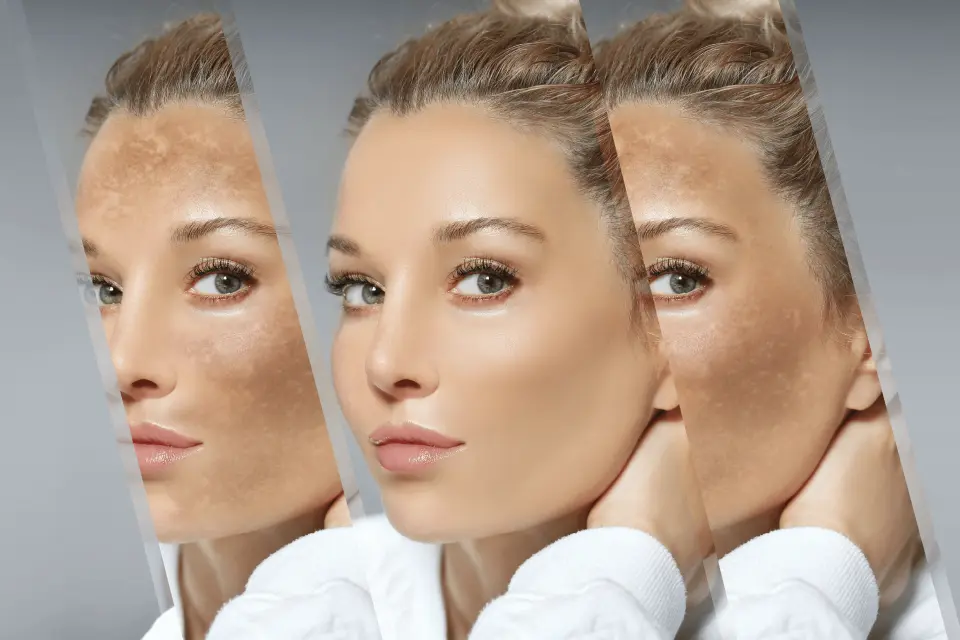
Lupus is a complex autoimmune disease where the body's immune system mistakenly attacks healthy tissues. The characteristic potentially life-threatening skin rashes associated with lupus often provide visible clues to the underlying condition. The most recognizable manifestation is the "butterfly rash" or malar rash, which spreads across the cheeks and bridge of the nose in a distinctive symmetrical pattern.
This unique rash typically appears as a flat or slightly raised reddish discoloration that notably spares the nasolabial folds. Unlike other skin conditions, lupus-related skin changes are often triggered or exacerbated by sun exposure. Patients may experience additional skin manifestations, including discoid lesions that can cause scarring and permanent hair loss when they occur on the scalp.
Rosacea presents differently from lupus, focusing primarily on the central facial region. Itchy skin (pruritus) can be a component of rosacea, though the condition is characterized more by persistent redness and potential inflammatory bumps. The disorder involves abnormalities in facial blood vessels and potentially genetic predispositions.
The progression of rosacea typically begins with persistent facial redness that might initially resemble blushing. As the condition advances, small red, pus-filled bumps may develop, creating a distinctive appearance that differs from typical acne. Unlike lupus, rosacea remains a localized skin disorder without the systemic implications of an autoimmune disease.
Characteristic |
Lupus Rash |
Rosacea |
|---|---|---|
Cause |
Autoimmune disorder |
Inflammatory skin condition |
Rash Pattern |
Butterfly-shaped, symmetrical |
Diffuse central facial redness |
Associated Symptoms |
Joint pain, fatigue, organ involvement |
Primarily skin-related |
Trigger Factors |
Sun exposure, stress |
Spicy foods, temperature changes |
Skin Texture |
Smooth, flat discoloration |
Bumpy, with visible blood vessels |
Treatment for lupus and rosacea differs significantly due to their distinct underlying causes. Lupus often requires comprehensive medical management, including medications to suppress the immune system and control systemic symptoms. Rosacea management typically focuses on topical treatments, lifestyle modifications, and trigger avoidance.
Prescribing acne medications or similar topical treatments might help manage rosacea symptoms, but lupus requires a more complex approach involving systemic medications and careful monitoring of overall health.
Lupus rashes can be intermittent, occurring during disease flares and potentially leaving temporary or permanent skin changes.
Yes, stress can exacerbate both lupus and rosacea symptoms, potentially triggering flare-ups or increasing skin inflammation.
Neither lupus rash nor rosacea is contagious. They are chronic conditions related to individual health factors.
If you experience persistent facial redness or other concerning skin changes, consult a healthcare provider promptly for proper diagnosis.
Dietary factors may influence both conditions, with certain foods potentially triggering or alleviating symptoms.
Distinguishing between lupus rash and rosacea requires professional medical expertise. While they may appear similar, these conditions have fundamental differences in cause, progression, and treatment. Care you can trust. Doctronic is clinically validated with 99% treatment plan alignment.
Compare your treatment options
Chat Now
Join 50,000+ readers using Doctronic to understand symptoms, medications,
and next steps.
Add your phone number below to get health updates and exclusive VIP offers.
By providing your phone number, you agree to receive SMS updates from Company. Message and data rates may apply. Reply “STOP” to opt-out anytime. Read our Privacy Policy and Terms of Service for more details.
Save your consults. Talk with licensed doctors and manage your health history.