
Treatments and Prevention
Birth Control for Hair Loss: Can It Help or Hurt?
December 19, 2025
6 min read

Medically reviewed by Alan Lucks | MD, Alan Lucks MDPC Private Practice - New York on February 13th, 2026.
Published on January 26th, 2026. Updated on July 23rd, 2026.
Stress can trigger significant hair loss in women through hormonal disruptions
Female pattern hair loss differs from male hair loss patterns
Multiple treatment strategies can help restore hair growth
Stress management is crucial for long-term hair health recovery
Questions about stress-related hair loss?
Free. Anonymous. Built by doctors.
This article covers general information. Ask Doctronic about your symptoms, medications, side effects, or treatment options.
Hair loss can be an emotionally challenging experience for women, particularly when triggered by stress. Unlike genetic hair loss, stress-induced hair loss presents unique challenges that require a comprehensive understanding of its mechanisms and recovery strategies. Women experiencing this condition often feel uncertain about the causes and potential treatments.
Chronic stress fundamentally disrupts the hair growth cycle, pushing hair follicles into a prolonged resting phase. This complex process involves significant hormonal changes that can lead to noticeable hair thinning and reduced overall hair volume. Understanding these mechanisms is the first step toward effective management and recovery.
The body's response to stress involves complex hormonal pathways that directly impact hair growth. When experiencing chronic stress, the body produces elevated levels of cortisol, which can dramatically interrupt the normal hair growth cycle. Pattern hair loss mechanisms differ significantly between stress-induced and genetic hair loss.
Typically, hair follicles cycle through growth, transition, and resting phases. Stress can force up to 70 percent of hair follicles into the telogen (resting) phase simultaneously, resulting in widespread hair shedding. This process often becomes noticeable two to three months after the initial stressful event, creating a delayed response that can be confusing for many women.
Women experiencing stress-related hair loss typically notice distinct characteristics:
Diffuse thinning across the entire scalp
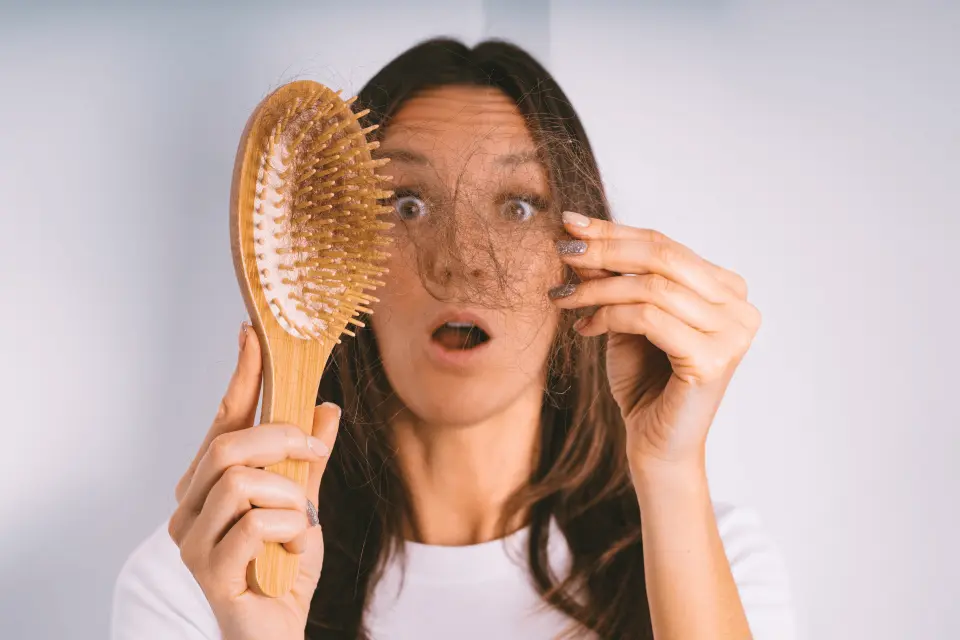
Increased hair shedding in showers or while brushing
Visibly reduced hair volume
Maintained original hairline with overall volume reduction
The temporal relationship between stress and hair loss is critical. Unlike gradual genetic hair loss, stress-induced hair loss often presents with acute onset and rapid progression. Women might experience daily hair loss exceeding 100 to 150 strands, compared to the normal 50 to 100 hairs per day.
Effective management of stress-related hair loss requires a multifaceted approach:
Treatment Strategy |
Description |
Estimated Recovery Time |
|---|---|---|
Stress Management |
Meditation, counseling, lifestyle changes |
3-6 months |
Nutritional Support |
Iron, zinc, biotin supplementation |
6-12 months |
Topical Treatments |
Minoxidil, rosemary oil |
6-18 months |
Medical Intervention |
Hormonal therapy, blood tests |
Varies by individual |
Nutritional support plays a crucial role in hair recovery. While taking supplements or modifying diet can help replenish essential nutrients depleted during stressful periods. Foods rich in omega-3 fatty acids and proteins can support follicle health and promote hair regrowth.
Recovery timelines vary among individuals but typically range from twelve to eighteen months. Women can expect to see initial signs of improvement within three to six months of implementing comprehensive treatment strategies. Consistent stress management and healthy lifestyle habits significantly improve long-term hair health.
Understanding and managing female stress hair loss requires a holistic approach that addresses both physical and emotional well-being. Care you can trust. Doctronic is clinically validated with 99% treatment plan alignment.
Get advice about female stress hair loss pattern
Chat Now