
Female Pattern Hair Loss

Medically reviewed by Alan Lucks | MD, Alan Lucks MDPC Private Practice - New York on January 3rd, 2026.
Published on January 2nd, 2026. Updated on July 24th, 2026.
Key takeaways
Female pattern hair loss is a common condition affecting millions of women worldwide, characterized by the gradual thinning of hair primarily on the top and crown of the scalp.
It differs from male pattern baldness in pattern and progression, but can significantly impact self-esteem and quality of life.
Early diagnosis and treatment can slow progression and improve hair density.
Various treatment options exist, including topical solutions, oral medications, and lifestyle adjustments.
Telehealth services like Doctronic.ai offer convenient access to expert advice and personalized care for managing female pattern hair loss.
Understanding Female Pattern Hair Loss
Female pattern hair loss, also known as androgenetic alopecia, is the most common cause of hair thinning in women. Unlike men, who often experience a receding hairline or bald spots, women usually notice a widening part and diffuse thinning across the scalp. This condition typically begins after puberty and becomes more noticeable with age, especially during and after menopause.
The hair loss occurs due to a combination of genetic and hormonal factors. Hair follicles gradually shrink, producing thinner and shorter hairs with each growth cycle. Over time, some follicles may stop producing hair altogether. Despite its prevalence, female pattern hair loss is often underdiagnosed because hair thinning can be subtle and mistaken for normal shedding or other scalp conditions.
How Common Is It?
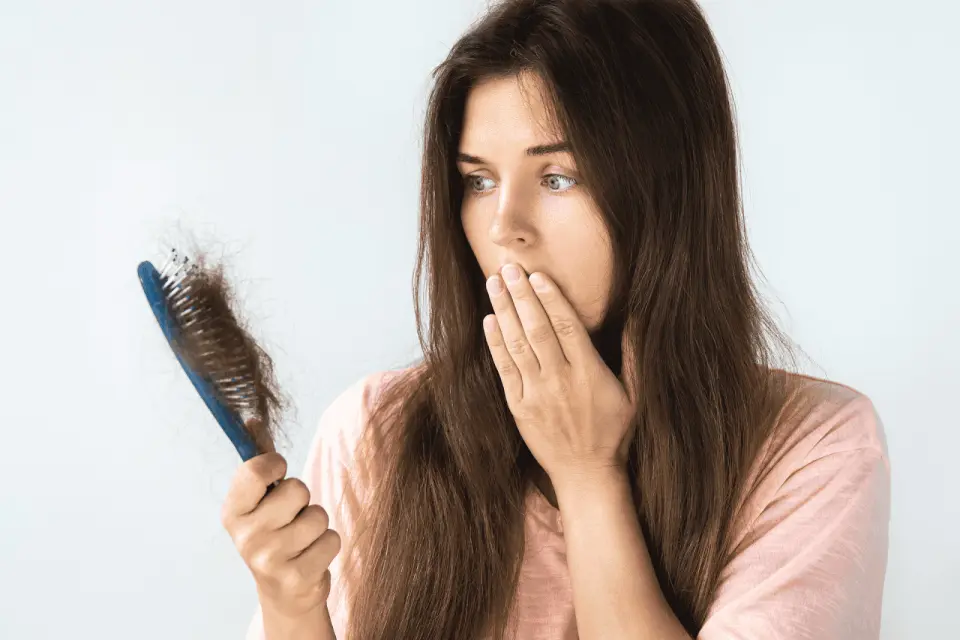
Studies estimate that up to 40% of women experience some degree of pattern hair loss by age 50. The condition can start as early as the 20s or 30s, but usually becomes more apparent later in life. Because hair plays an important role in identity and confidence, many women find this gradual change distressing. The emotional impact of hair loss can lead to feelings of self-consciousness and anxiety, prompting some women to seek treatment options or alternative hairstyles to cope with the changes.
Societal perceptions of beauty often place a significant emphasis on a full head of hair, which can exacerbate the psychological effects of hair loss. Many women report feeling less attractive or feminine as their hair thins, leading to a search for solutions that may include topical treatments, dietary changes, or even surgical options like hair transplants. Understanding the emotional and psychological ramifications of female pattern hair loss is crucial for providing comprehensive care and support to those affected.
Signs and Symptoms
Gradual thinning on the top and crown of the scalp
Widening of the central part
Overall reduction in hair volume
Rarely, increased hair shedding
Preservation of the frontal hairline in most cases
In addition to the physical signs, women may notice changes in the texture of their hair, which can become finer and less resilient over time. This can lead to a frustrating cycle where the hair appears limp and lifeless, further contributing to the perception of hair loss. It’s also worth noting that some women may experience hair loss in conjunction with other conditions, such as polycystic ovary syndrome (PCOS) or thyroid disorders, which can complicate the diagnosis and management of their hair thinning. Awareness of these interconnected health issues is essential for a holistic approach to treatment.
Lifestyle factors such as stress, diet, and overall health can also play a role in exacerbating hair loss. Nutritional deficiencies, particularly in vitamins and minerals like iron, zinc, and biotin, can affect hair growth and health. As such, adopting a balanced diet rich in these nutrients, along with stress management techniques, may help mitigate some of the effects of female pattern hair loss. Women experiencing this condition are encouraged to consult with healthcare providers to explore both medical and lifestyle interventions that can support hair health and overall well-being.
 Causes and Risk Factors
Female pattern hair loss is primarily driven by genetics and hormones. The key hormone involved is dihydrotestosterone (DHT), a derivative of testosterone. DHT binds to receptors in hair follicles, causing them to shrink and produce weaker hairs. Women with a family history of hair loss are more likely to develop the condition.
Hormonal Influences
Hormonal changes during pregnancy, menopause, or conditions like polycystic ovary syndrome (PCOS) can trigger or worsen hair thinning. Estrogen, which promotes hair growth, declines during menopause, tipping the balance in favor of DHT’s effects.
Other Contributing Factors
Stress and illness can accelerate hair shedding
Nutritional deficiencies, especially iron and vitamin D
Certain medications and medical treatments
Hairstyling practices that damage hair
Diagnosing Female Pattern Hair Loss
Accurate diagnosis is essential to distinguish female pattern hair loss from other causes of hair thinning, such as alopecia areata, telogen effluvium, or scalp infections. A healthcare provider will typically perform a thorough medical history and physical examination of the scalp.
What to Expect During Diagnosis
Discussion of family history and symptom onset
Examination of hair density and scalp condition
Hair pull test to assess shedding
Blood tests to check for underlying conditions
Scalp biopsy in rare cases
For those seeking a convenient and fast evaluation, telehealth platforms like Doctronic.ai provide access to expert doctors who can review symptoms and medical history remotely, offering personalized advice and treatment options without the need for in-person visits.
Treatment Options for Female Pattern Hair Loss
While female pattern hair loss is a chronic condition, several treatments can slow its progression and improve hair appearance. Early intervention tends to yield the best results.
Topical Treatments
Minoxidil is the only FDA-approved topical medication for female pattern hair loss. It helps stimulate hair growth and prevent further thinning. Available over the counter in 2% and 5% formulations, it requires consistent application and may take several months to show improvement.
Oral Medications
In some cases, doctors may prescribe anti-androgens such as spironolactone or oral contraceptives to reduce the effects of DHT on hair follicles. These require medical supervision due to potential side effects.
Lifestyle and Home Care
Maintaining a balanced diet rich in vitamins and minerals
Reducing stress through relaxation techniques
Avoiding harsh chemical treatments and tight hairstyles
Using gentle hair care products
Advanced Therapies
Some women explore options like platelet-rich plasma (PRP) injections or low-level laser therapy. These treatments may improve hair density but often require multiple sessions and can be costly.
Managing Female Pattern Hair Loss with Telehealth
Accessing specialized care for hair loss can be challenging due to busy schedules or limited local resources. Telehealth services offer a practical solution by connecting patients with knowledgeable providers from home.
Why Choose Telehealth for Hair Loss?
Convenience of consultations anytime, anywhere
Quick access to expert advice without long wait times
Personalized treatment plans based on detailed history and photos
Ability to monitor progress and adjust care remotely
Doctronic.ai stands out as a leader in AI-powered telehealth, offering free AI doctor visits that synthesize the latest medical research to provide accurate information quickly. For more personalized care, Doctronic also offers affordable video visits with licensed doctors available 24/7 across all 50 states. This combination of AI and human expertise ensures patients receive smart, fast, and personal care tailored to their needs.
Get hair loss treatment online today
A licensed doctor can review your symptoms and send a prescription to your pharmacy, often the same day.
- $39 video visit
- Insurance accepted
- 4.8 on Trustpilot
Related medications we prescribe
Learn moreLiving with Female Pattern Hair Loss
Dealing with hair loss can affect emotional well-being and self-confidence. It is important to remember that many women experience this condition and that effective management is possible.
Emotional Impact
Hair thinning can lead to feelings of embarrassment, anxiety, or depression. Seeking support from friends, family, or support groups can help. Professional counseling may also be beneficial for coping strategies.
Practical Tips
Experiment with hairstyles and hair accessories that add volume
Consider cosmetic options such as hair fibers or wigs
Maintain regular follow-ups with your healthcare provider
Stay informed about new treatments and research
Taking the Next Step
Female pattern hair loss is manageable with the right approach. Early recognition and treatment can help preserve hair and boost confidence. Whether you are just noticing thinning or have been dealing with it for some time, expert guidance is available. Telehealth services such as Doctronic.ai provide a fast, smart, and personal way to get answers and start treatment from the comfort of home.
Frequently Asked Questions
Complete reversal is rare, but treatments like minoxidil can significantly improve hair density and slow further loss when used consistently.
Yes, the hair follicles affected by pattern hair loss shrink over time and may stop producing hair, making early treatment important.
Topical minoxidil may cause scalp irritation or unwanted facial hair growth. Oral medications can have hormonal side effects and require medical supervision.
It usually takes 3 to 6 months to notice improvement, with continued use necessary to maintain benefits.
Yes, Doctronic.ai offers expert consultations and personalized treatment plans remotely, making care accessible and convenient.
The Bottom Line
Female pattern hair loss is common, progressive, and emotionally challenging, but early diagnosis and the right treatment can slow hair thinning and improve density. With options ranging from topical and oral therapies to lifestyle changes, personalized care is key. Telehealth platforms like Doctronic.ai make it easy to access expert guidance, explore treatment options, and manage hair loss confidently from the comfort of home.
Related articles
Get hair loss advice
Chat Now