Diseases and Conditions
Omeprazole Side Effects Timeline: Week by Week Guide
May 17, 2026
5 min read

Medically reviewed by Lauren Okafor | MD, The Frank H Netter MD School of Medicine, Loyola University Medical Center on August 31st, 2026.
Published on November 28th, 2023.
Hemodialysis typically requires 3-4 hour sessions three times per week at a dialysis center, using an arteriovenous fistula created surgically 2-3 months before starting treatment.
Peritoneal dialysis involves filling the abdomen with 1.5-3 liters of cleansing fluid through a permanent catheter, with exchanges performed 3-5 times daily or overnight using a machine.
Kidney function below 10-15% (Stage 5 chronic kidney disease) usually triggers the need for renal replacement therapy, as waste products like creatinine and urea reach toxic levels.
Common side effects include hypotension during hemodialysis (affecting 20-30% of patients), peritonitis risk with peritoneal dialysis (1 episode per 18-24 months), and phosphorus buildup requiring dietary restrictions.
Dialysis patients have a 5-year survival rate of approximately 35-40%, though this varies significantly based on age, underlying conditions, and treatment adherence.
Questions about dialysis?
Free. Anonymous. Built by doctors.
This article covers general information. Ask Doctronic about your symptoms, medications, side effects, or treatment options.
If you or a loved one has been diagnosed with kidney failure, your doctor may have mentioned dialysis as a treatment option. Dialysis is a life-saving procedure that takes over the functions of your kidneys when they are no longer able to do their job. In this article, we'll explain what dialysis is, who needs it, and the different types of dialysis available.
Your kidneys are two bean-shaped organs located just below your rib cage, on each side of your spine. They play a crucial role in maintaining your overall health by:
When your kidneys are no longer able to perform their functions adequately, you may need dialysis or a kidney transplant to survive. This condition is known as kidney failure or end-stage renal disease (ESRD). Kidney failure can be caused by various factors, including:
Your doctor will recommend starting dialysis when you have symptoms of kidney failure, such as nausea, fatigue, and swelling, or when your lab tests show dangerous levels of waste in your blood.
There are two main types of dialysis: hemodialysis and peritoneal dialysis.
In hemodialysis, a machine filters your blood outside your body, cleaning it before returning it to your body. This process typically takes place at a dialysis facility or hospital, but it can also be done at home. Before starting hemodialysis, you'll need a minor surgery to create direct access to your bloodstream through a fistula, graft, or catheter.
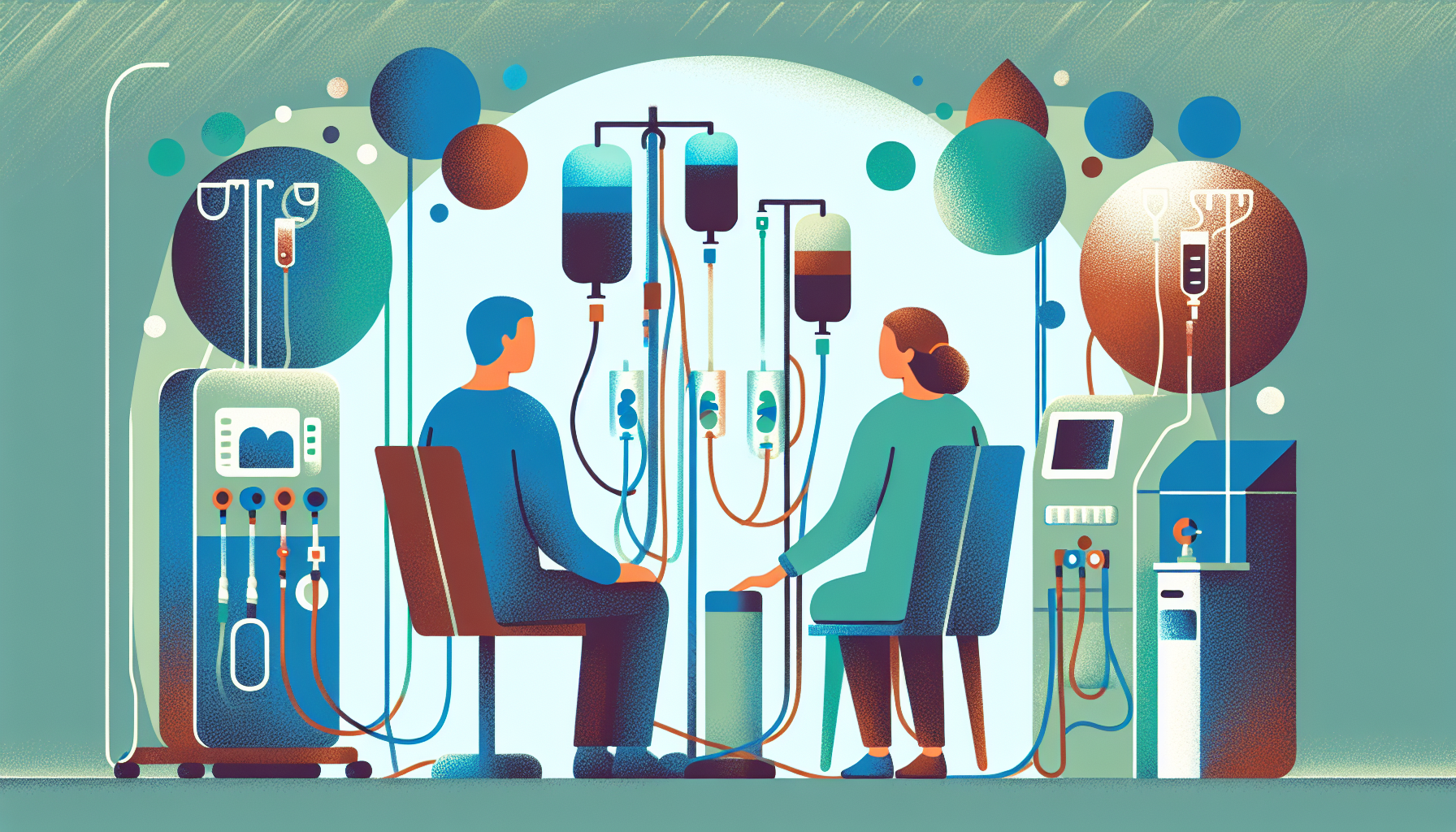
Peritoneal dialysis (PD) uses the lining of your abdomen (peritoneum) to filter your blood. A special fluid called dialysis solution is introduced into your abdominal cavity through a catheter, absorbing waste and excess fluid from your blood. After a few hours, the solution is drained from your body. PD is typically done at home, either manually (continuous ambulatory peritoneal dialysis) or with the help of a machine (automated peritoneal dialysis).
While dialysis shouldn't be painful, you may experience some side effects, such as:
To stay healthy on dialysis, it's essential to monitor your access site for signs of infection, keep your catheter clean and dry, and ensure that anyone assisting with your treatment follows proper hand hygiene.
Dialysis is a life-sustaining treatment that can improve your quality of life, but it's not for everyone. Some people, particularly those who are elderly or have other severe medical conditions, may choose not to start or to stop dialysis. If you're considering stopping dialysis, discuss alternative treatments and lifestyle changes with your doctor that may help manage your symptoms and improve your well-being.
For more information on dialysis and kidney failure, consult the following reputable sources:
Both dialysis options can effectively sustain life when kidneys fail, but require significant lifestyle adjustments and carry distinct risks and benefits. The choice between hemodialysis and peritoneal dialysis depends on your medical condition, lifestyle preferences, and home situation. If you're facing kidney disease decisions, Doctronic can help you understand which treatment approach might work best for your specific circumstances.
Get personalized health advice
Chat Now