COVID-19
New Treatments for Long COVID in 2026: Latest Medical Breakthroughs
May 17, 2026
7 min read

Medically reviewed by Lauren Okafor | MD, The Frank H Netter MD School of Medicine, Loyola University Medical Center on March 21st, 2026.
Published on February 15th, 2026. Updated on September 11th, 2026.
Antiviral medications are most effective when started within 24 hours of symptom onset
Both oral and topical treatments can reduce outbreak duration and severity
Over-the-counter remedies provide symptomatic relief and support healing
Prevention strategies focusing on trigger avoidance are often more effective than treatment alone
Questions about cold sore treatment?
Free. Anonymous. Built by doctors.
This article covers general information. Ask Doctronic about your symptoms, medications, side effects, or treatment options.
Cold sores are small, painful blisters that usually appear on or around the lips. They are caused by the herpes simplex virus type 1 (HSV-1). While the virus stays in your body for life, there are many ways to treat symptoms, speed up healing, and reduce how often outbreaks happen. Knowing when and how to treat a cold sore can make a big difference in how quickly it improves and how uncomfortable it feels.
Cold sores often follow a predictable pattern. Many people first notice a tingling, itching, or burning feeling in the area before a blister appears. This early stage is the best time to start treatment.
Treating a cold sore as soon as you notice symptoms can help shorten how long it lasts and reduce how severe it becomes. Without treatment, cold sores usually heal within about 7 to 10 days.
Some people may also feel mild symptoms like fatigue, low fever, or swollen glands, especially during their first outbreak.
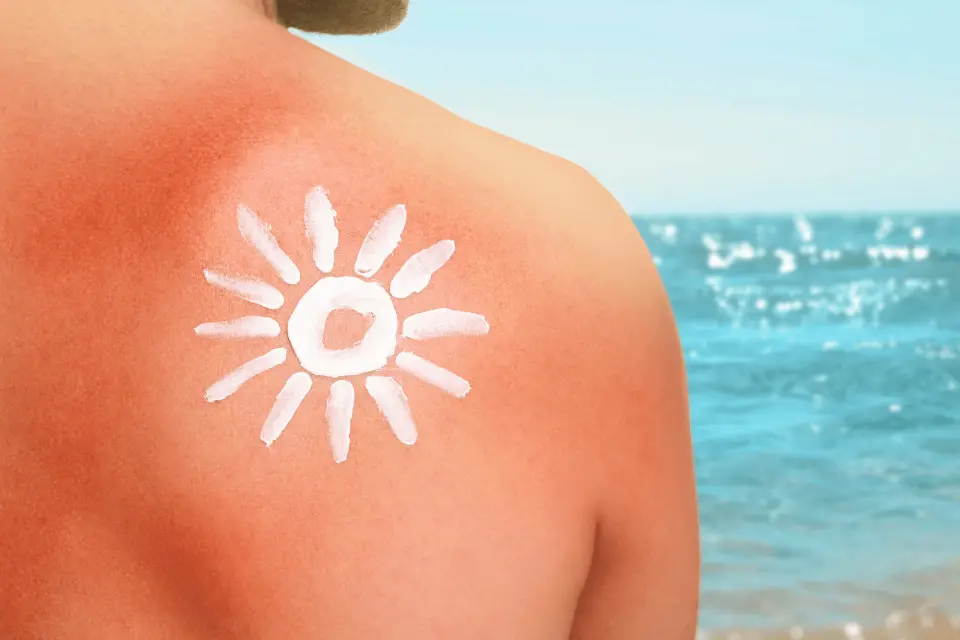
Cold sore outbreaks can vary from person to person. Some people get them often, while others rarely do. Common triggers include stress, illness, sun exposure, and hormonal changes.
If you have frequent or severe outbreaks, your healthcare provider may recommend stronger treatments or daily medication to help prevent future episodes.
Prescription antiviral medications represent the most effective treatment option for cold sores, working by interfering with the virus's replication process. These medications are available in both oral and topical formulations, with oral versions generally providing superior efficacy due to better tissue penetration and higher drug concentrations.
Oral antivirals including acyclovir, valacyclovir, and famciclovir are considered the gold standard for cold sore treatment. Valacyclovir and famciclovir offer improved bioavailability and more convenient dosing schedules compared to acyclovir, typically requiring fewer daily doses. For maximum effectiveness, these medications should be initiated within the first 24 hours of symptom onset, ideally during the prodromal stage.
Standard treatment regimens involve five to seven days of medication, though some healthcare providers may recommend shorter, higher-dose courses for certain patients. These medications can reduce healing time by one to two days and significantly decrease symptom severity, including pain and lesion size. Understanding the complete range of Cold Sore Medicines helps patients make informed decisions about their treatment options.
Individuals experiencing six or more outbreaks annually may benefit from suppressive antiviral therapy, which involves taking daily oral medication to prevent recurrences. This approach can reduce outbreak frequency by up to 80 percent and may decrease viral shedding, potentially reducing transmission risk. The decision to pursue suppressive therapy should be made in consultation with healthcare providers, considering individual outbreak patterns and quality of life impact.
While prescription antivirals remain the most effective option, several over-the-counter remedies can provide valuable symptomatic relief and support the healing process. These treatments focus on managing pain, reducing inflammation, and creating optimal conditions for tissue repair without requiring a prescription.
Docosanol represents the only FDA-approved non-prescription antiviral medication for cold sores, working by preventing viral entry into healthy cells. When applied at the first sign of symptoms, docosanol can reduce healing time, though it's generally less potent than prescription alternatives. Topical anesthetics containing benzocaine or lidocaine provide temporary pain relief by numbing the affected area, particularly helpful during the most painful outbreak phases.
Cold compresses can reduce swelling and provide pain relief, especially during inflammatory stages. Ice should be wrapped in clean cloth and applied for short intervals to avoid tissue damage. Some individuals prefer warm compresses for comfort, and the choice between Heat vs Cold Therapy often depends on personal preference and symptom response.
Maintaining proper hydration and nutrition supports immune system function during outbreaks. Over-the-counter pain relievers like ibuprofen or acetaminophen help manage discomfort and reduce inflammation throughout the outbreak duration. These medications are particularly beneficial for individuals experiencing systemic symptoms such as fever or general malaise accompanying their cold sore outbreak.
Different treatment options offer varying benefits depending on outbreak severity, frequency, and individual patient factors. Understanding these differences helps patients and healthcare providers select the most appropriate therapeutic approach for each situation.
Treatment Type |
Effectiveness |
Onset of Action |
Duration |
Best For |
|---|---|---|---|---|
Oral Antivirals |
High |
24-48 hours |
5-7 days |
Frequent/severe outbreaks |
Topical Antivirals |
Moderate |
24-72 hours |
5-7 days |
Mild outbreaks |
OTC Remedies |
Low-Moderate |
Immediate (symptom relief) |
As needed |
Symptom management |
Emerging treatments like Red Light Therapy for cold sores are being investigated, though evidence remains limited compared to established antiviral therapies. Natural supplements such as lysine have gained popularity, with some studies suggesting potential benefits. Resources comparing Lysine vs. Abreva can help patients understand these alternative approaches.
The choice between treatment options depends on factors including outbreak frequency, severity, patient preferences, and contraindications. Combination approaches often prove most effective, incorporating both antiviral medications and supportive care measures. Understanding whether Lysine for Cold Sores provides meaningful benefits can inform comprehensive treatment decisions.
Treatment should begin as soon as you feel the first tingling or burning sensation, ideally within 24 hours of symptom onset. Early intervention with antiviral medications can significantly reduce outbreak severity and duration compared to delayed treatment.
Yes, combining treatments is often beneficial. You can typically use oral antivirals alongside topical pain relievers or cold compresses. However, avoid using multiple topical antiviral products simultaneously, and consult your healthcare provider about appropriate combinations.
Cold sores are most contagious when blisters are present and until they completely heal. Antiviral treatment may reduce viral shedding and contagiousness, but you should still avoid close contact and sharing personal items. Learn more about Are Cold Sores Contagious? for detailed information.
Yes, continue your prescribed treatment regimen even after blisters develop. While early treatment is most effective, antiviral medications can still reduce healing time and symptom severity when started after blister formation.
Consult a healthcare provider if you experience frequent outbreaks, severe symptoms, outbreaks lasting longer than two weeks, or if you have a compromised immune system. They can prescribe stronger medications or discuss suppressive therapy options.
Effective cold sore treatment requires a multi-faceted approach combining early intervention with appropriate antiviral medications, supportive care measures, and long-term prevention strategies. While there's no permanent cure for the herpes simplex virus, proper treatment can significantly reduce outbreak duration, severity, and frequency. The key to success lies in recognizing early symptoms and initiating treatment promptly, preferably within the first 24 hours of symptom onset. Whether using prescription antivirals, over-the-counter remedies, or combination approaches, consistent and appropriate treatment can help you regain control over cold sore outbreaks and maintain your quality of life. Get started with Doctronic today.
Mayo Clinic. Cold sore (herpes simplex virus). https://www.mayoclinic.org/diseases-conditions/cold-sore/symptoms-causes/syc-20371017
American Academy of Dermatology (AAD). Cold sores: Overview. https://www.aad.org/public/diseases/a-z/cold-sores-overview
Explore treatment options
Chat Now