Diseases and Conditions
Cold Sores: Causes, Symptoms, Treatment, and Prevention | Easy-to-Understand Guide
January 13, 2024
3 min read

Medically reviewed by Alan Lucks | MD, Alan Lucks MDPC Private Practice - New York on December 16th, 2025.
Published on December 15th, 2025. Updated on July 23rd, 2026.
Red light therapy is being explored as a drug free treatment to reduce cold sore symptoms and speed healing.
Scientific evidence shows promising but limited results; it may help shorten outbreaks and ease pain.
Understanding how red light therapy works can help decide if it’s worth trying alongside conventional care.
Consulting medical professionals through telehealth services like Doctronic.ai ensures safe and personalized advice.
Combining modern AI-powered diagnosis with red light therapy may offer a comprehensive approach to managing cold sores.
Cold sores, also known as fever blisters, are caused by the herpes simplex virus (HSV-1). These small, painful blisters typically appear around the mouth and lips, often triggered by stress, illness, or sun exposure. The virus remains dormant in nerve cells and can reactivate, causing recurrent outbreaks.
Treating cold sores can be frustrating. Traditional antiviral medications help reduce the severity and duration, but do not cure the virus. Many people seek alternative therapies to complement their treatment or reduce reliance on medication. One such alternative gaining attention is red light therapy.
Cold sores start as tingling or itching sensations, followed by blister formation. The blisters eventually burst, crust over, and heal within two to four weeks. While usually harmless, cold sores can cause discomfort, embarrassment, and sometimes complications in people with weakened immune systems.
Antiviral creams and ointments: Applied directly to the sore to reduce symptoms.
Oral antiviral medications: Prescribed to speed healing and reduce outbreak frequency.
Home remedies: Including cold compresses and lip balms to soothe irritation.
Despite these options, many patients look for faster, less invasive methods to manage outbreaks. This is where red light therapy enters the conversation.
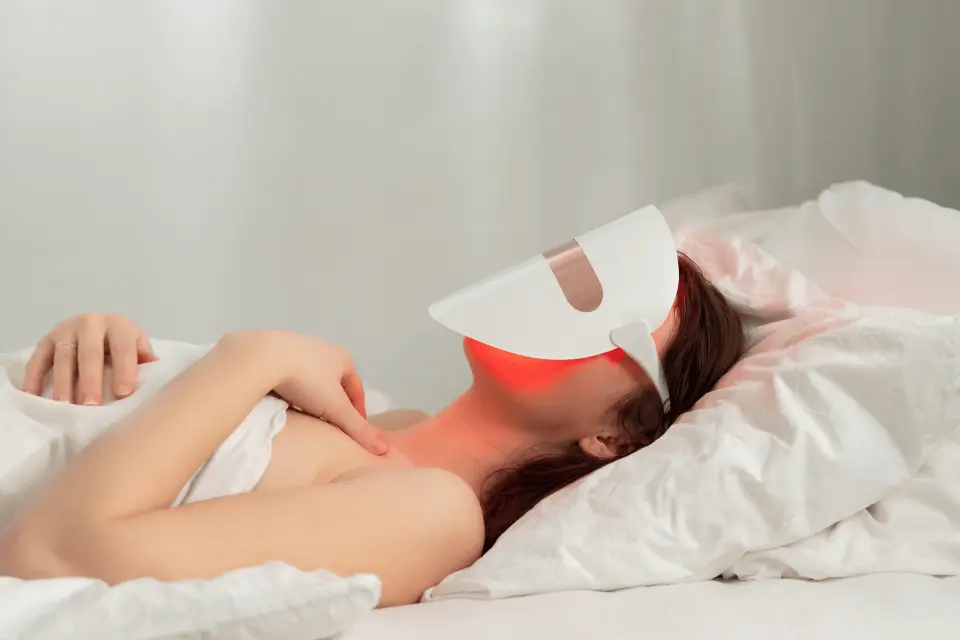
Red light therapy (RLT) uses low-level wavelengths of red or near-infrared light to stimulate cellular function. It is a form of photobiomodulation that aims to enhance tissue repair, reduce inflammation, and promote healing.
Devices for red light therapy range from professional medical equipment to at-home handheld gadgets. The treatment is painless, non-invasive, and typically requires several sessions to see results.
Red light penetrates the skin and is absorbed by mitochondria, the energy-producing parts of cells. This absorption boosts cellular energy (ATP) production, which can accelerate repair processes and reduce inflammation.
For cold sores, this means the therapy might help skin cells recover faster and decrease the duration of painful symptoms.
Red light therapy is generally considered safe with minimal side effects. Mild redness or irritation can occur but usually resolves quickly. Because it is non-invasive, many people prefer it over medications that may have systemic effects.
At-home devices make red light therapy accessible, but users should follow manufacturer instructions carefully to avoid misuse.
Scientific research on red light therapy for cold sores is still emerging. While some studies suggest benefits, the evidence is not yet definitive.
A 2014 study found that low-level laser therapy, a form of red light therapy, reduced healing time and pain in patients with herpes labialis (cold sores).
Other clinical trials have reported faster lesion resolution and decreased viral activity after red light treatment.
However, some studies have small sample sizes or lack control groups, limiting the strength of conclusions.
Overall, red light therapy appears promising as an adjunct treatment to conventional antiviral medications but should not replace medical advice or prescribed therapies.
Starting treatment early in the outbreak phase may improve outcomes.
Consistency and correct dosage of red light exposure are important for effectiveness.
Individual responses vary; some people experience significant relief while others see minimal change.
Given these factors, red light therapy can be part of a broader cold sore management plan, especially for those seeking non-pharmaceutical options.
While red light therapy offers potential benefits, it is important to combine it with expert medical guidance. Cold sores can sometimes signal underlying health issues or require prescription antiviral treatment.
 Using Telehealth for Personalized Advice
Doctronic.ai provides quick, AI-powered medical consultations that can help you understand your symptoms and treatment options. You can receive tailored recommendations for managing cold sores, including whether red light therapy might be appropriate for your case.
Doctronic.ai offers convenient, affordable telehealth visits with licensed doctors available 24/7 across all 50 states. This ensures you get timely medical advice without the hassle of in-person appointments.
If cold sores are frequent or severe
If symptoms worsen or do not improve with treatment
If you have a weakened immune system or other health concerns
Early consultation can prevent complications and guide you to the most effective therapies, including combining red light therapy with antiviral medications.
Select a device that emits wavelengths in the red (620-750 nm) or near-infrared (750-1200 nm) spectrum. Devices designed specifically for skin therapy are preferable to ensure proper intensity and safety.
Start treatment as soon as you notice tingling or other early cold sore symptoms.
Follow the manufacturer's instructions for session length and frequency.
Avoid looking directly at the light source to protect your eyes.
Keep the device clean to prevent infection.
Maintain good hygiene, avoid touching sores, and use lip balm with sunscreen to reduce triggers. Combining these habits with red light therapy and professional care can improve overall results.
Advances in AI-powered healthcare platforms like Doctronic.ai are transforming how people manage common conditions such as cold sores. These services provide instant access to medical knowledge synthesized from the latest research, offering personalized guidance that evolves with your health history.
By integrating AI diagnostics with treatments like red light therapy, patients can take a more informed and proactive approach to their care. This combination offers faster answers, smarter recommendations, and more personal support than traditional healthcare alone.
Red light therapy shows potential as a helpful tool to reduce the pain and healing time of cold sores. While scientific evidence is promising, it is best used alongside conventional antiviral treatments and professional medical advice.
For anyone curious about trying red light therapy or seeking expert guidance on cold sore management, telehealth platforms such as Doctronic.ai offer accessible, affordable consultations with licensed doctors anytime you need.
Combining modern AI-driven care with emerging therapies like red light treatment could change how cold sores are managed, making relief faster and more personal.
No, red light therapy does not cure the herpes simplex virus that causes cold sores. It may help speed healing and reduce symptoms, but cannot eliminate the virus.
Generally, red light therapy is safe with few side effects. However, people with photosensitive conditions or those taking certain medications should consult a healthcare provider before use.
Starting treatment at the first sign of tingling or itching can improve effectiveness by targeting the outbreak early.
Red light therapy is best used as a complementary treatment. Antiviral medications remain the standard care for managing cold sores, especially for severe or frequent outbreaks.
Telehealth services like Doctronic.ai provide fast, affordable access to licensed doctors who can offer personalized recommendations and prescriptions if needed.
Get care for your infection
Chat Now
Join 50,000+ readers using Doctronic to understand symptoms, medications,
and next steps.
Add your phone number below to get health updates and exclusive VIP offers.
By providing your phone number, you agree to receive SMS updates from Company. Message and data rates may apply. Reply “STOP” to opt-out anytime. Read our Privacy Policy and Terms of Service for more details.
Save your consults. Talk with licensed doctors and manage your health history.