COVID-19
New Treatments for Long COVID in 2026: Latest Medical Breakthroughs
May 17, 2026
7 min read

Medically reviewed by Lauren Okafor | MD, The Frank H Netter MD School of Medicine, Loyola University Medical Center on April 12th, 2026.
Published on March 25th, 2026. Updated on July 23rd, 2026.
Chemical peels range from light lunch-hour treatments to deep resurfacing procedures requiring weeks of recovery
Superficial peels target fine lines and mild discoloration, while deep peels address severe wrinkles and scars
Recovery time varies from zero downtime for glycolic peels to 2-3 weeks for phenol peels
Professional assessment is crucial for selecting the right chemical peel type for your skin concerns
Chemical peels offer a spectrum of skin rejuvenation options, from gentle surface treatments to dramatic resurfacing procedures. Understanding the different types, their specific benefits, and recovery requirements helps you make an informed decision about this popular cosmetic treatment.
These procedures use controlled acid solutions to remove damaged skin layers, revealing fresher, healthier skin underneath. Whether you're dealing with acne scars, sun damage, or signs of aging, there's likely a chemical peel that can help address your concerns. Doctronic's AI consultations can help you understand if chemical peels might be right for your skin type and goals.
Chemical peels use acid solutions to remove damaged skin layers and stimulate cellular turnover. The process creates a controlled injury to the skin, which triggers the body's natural healing response. This leads to the production of new collagen and skin cells, resulting in smoother, more even-toned skin.
Different acid concentrations and types penetrate to varying skin depths. Alpha hydroxy acids (AHAs) like glycolic and lactic acid work on the surface layers, while beta hydroxy acids (BHAs) like salicylic acid can penetrate oil-filled pores. Trichloroacetic acid (TCA) reaches deeper layers, and phenol creates the deepest penetration for dramatic results.
The controlled injury aspect is similar to how the body responds to other skin conditions. Just as skin cancer triggers cellular changes, chemical peels stimulate regeneration through controlled damage. Professional supervision ensures the right depth and concentration for your skin type, while at-home peels offer gentler options for maintenance.
Superficial peels use mild acids like glycolic, lactic, or salicylic acid to target the outermost skin layer (epidermis). These "lunchtime peels" require minimal downtime and provide subtle improvements in texture and mild discoloration. They're ideal for maintaining healthy skin and addressing minor concerns.
Medium peels utilize TCA concentrations between 20-35% to penetrate the papillary dermis. These treatments effectively address moderate wrinkles, age spots, and some acne scarring. The deeper penetration means more dramatic results but also requires a longer recovery period with visible peeling and potential swelling.
Deep peels employ phenol or high-concentration TCA to reach the reticular dermis. These intensive treatments can dramatically improve severe sun damage, deep wrinkles, and significant scarring. However, they require extensive recovery time and carry higher risks. Like complex medical conditions such as batten disease, deep peels require careful monitoring and professional expertise.
Some practitioners offer combination peels that blend multiple acids to customize treatment for specific skin concerns, providing tailored solutions for individual needs.
Chemical peels address various skin issues with remarkable effectiveness. Acne scars respond particularly well to medium-depth TCA peels and deep phenol treatments, which can significantly reduce scar appearance by promoting collagen remodeling and skin regeneration.
Sun damage and age spots show excellent improvement with superficial glycolic and salicylic acid peels. These treatments break up melanin deposits and encourage cellular turnover, revealing more even-toned skin. Fine lines and texture issues benefit from progressive series of light to medium peels, with cumulative results becoming more apparent over time.
Melasma and hyperpigmentation require careful peel selection to avoid worsening the condition. Just as certain skin conditions like Vitiligo: Causes, Symptoms, and treatment require specialized approaches, melasma needs expert evaluation to determine the safest and most effective peel type. Professional assessment ensures optimal results while minimizing the risk of post-inflammatory hyperpigmentation.
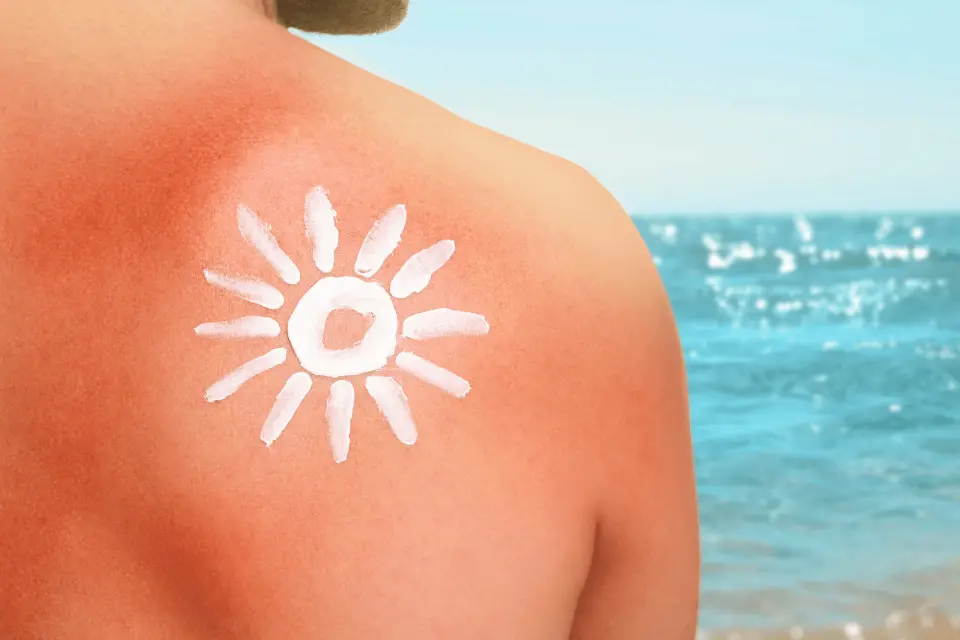
Superficial peel recovery involves 1-3 days of mild redness with minimal peeling. Most people can return to normal activities immediately, making these ideal for busy lifestyles. The skin may feel slightly tight and appear mildly flushed, similar to a mild sunburn.
Medium peel recovery requires 7-14 days with notable peeling and potential swelling. The skin will go through several phases: initial redness, followed by darkening, then peeling that reveals new skin underneath. Proper wound care during this period is essential for optimal results.
Deep peel recovery demands 2-3 weeks of intensive aftercare and sun avoidance. The initial healing phase involves significant swelling and crusting, requiring prescription pain management and careful monitoring. Like managing complex conditions such as irritable bowel syndrome (ibs), recovery requires patience and adherence to professional guidance.
Proper moisturizing, religious sun protection, and avoiding picking accelerate healing for all peel types. Following aftercare instructions precisely determines both the quality of results and the risk of complications.
Understanding how chemical peels compare to other skin rejuvenation options helps you make informed decisions about your skincare investment.
Treatment Type |
Recovery Time |
Cost Range |
Best For |
|---|---|---|---|
Superficial Chemical Peel |
1-3 days |
$100-300 |
Mild texture, maintenance |
Medium Chemical Peel |
7-14 days |
$300-800 |
Moderate wrinkles, scars |
Deep Chemical Peel |
2-3 weeks |
$1000-3000 |
Severe damage, deep scars |
Laser Resurfacing |
1-2 weeks |
$1500-4000 |
Precise targeting, wrinkles |
Microneedling |
2-5 days |
$200-600 |
Collagen boost, scars |
Microneedling offers similar collagen stimulation benefits with less downtime than medium chemical peels, making it attractive for those with busy schedules. Laser resurfacing provides more precise control over treatment depth but costs notably more than chemical peels.
IPL treatments target pigmentation concerns like superficial peels but typically require multiple sessions for optimal results. Topical retinoids work well for ongoing maintenance, while peels provide more dramatic one-time improvements. Similar to how different treatments | easy-to-understand approaches work for various skin conditions, the best choice depends on your specific concerns, timeline, and budget.
Chemical peels are generally safe when performed by qualified professionals. Medium and deep peels can reduce acne scar appearance by 50-80% in many cases. Proper candidate selection and post-treatment care are crucial for safety and optimal results.
Before-and-after photos provide general expectations, but individual results vary based on skin type, age, and scar severity. Professional consultation with skin assessment gives more accurate predictions for your specific situation and treatment goals.
Superficial peels typically cost $100-300, while deep peels range from $1000-3000. The price difference reflects the complexity, recovery time, and dramatic results possible with deeper treatments requiring more expertise and aftercare.
Superficial peels often require 4-6 sessions for optimal results, spaced 2-4 weeks apart. Medium peels may need 1-3 treatments, while deep peels typically provide dramatic results with a single session but require extensive recovery.
Most chemical peels can be integrated with dermatology treatments, but timing and combination depend on your specific medications and skin conditions. Professional coordination between providers ensures safe, effective treatment combinations.
Chemical peels offer proven skin improvement options ranging from gentle surface treatments to dramatic resurfacing procedures. The key lies in matching the right peel type and depth to your specific skin concerns, lifestyle, and recovery capacity. While superficial peels provide subtle improvements with minimal downtime, medium and deep peels deliver more dramatic results for serious skin damage and scarring. Professional consultation ensures safe, effective outcomes while minimizing potential complications. Recovery times vary significantly, from same-day return to activities after light peels to weeks of intensive aftercare for deep treatments. Understanding these differences helps you make informed decisions about this popular cosmetic treatment option. Doctronic's AI consultations can help you understand whether chemical peels align with your skincare goals and medical history.
Ready to take control of your health? Get started with Doctronic today.
Get personalized health advice
Chat Now
Join 50,000+ readers using Doctronic to understand symptoms, medications,
and next steps.
Add your phone number below to get health updates and exclusive VIP offers.
By providing your phone number, you agree to receive SMS updates from Company. Message and data rates may apply. Reply “STOP” to opt-out anytime. Read our Privacy Policy and Terms of Service for more details.
Save your consults. Talk with licensed doctors and manage your health history.