
Can Exenatide Cause Anxiety?

Medically reviewed by Alan Lucks | MD, Alan Lucks MDPC Private Practice - New York on July 16th, 2026.
Published on July 15th, 2026. Updated on July 16th, 2026.
Key takeaways
Anxiety is not a formally listed common side effect of exenatide, but post-marketing reports and patient accounts suggest a possible connection.
Hypoglycemia is the most likely indirect mechanism linking exenatide use to anxiety-like symptoms, especially when combined with insulin or sulfonylureas.
GLP-1 receptors exist in brain regions tied to mood and stress, providing a plausible biological pathway for nervous system effects.
Physical side effects like nausea, rapid heartbeat, and dizziness can overlap with or amplify feelings of anxiety.
Tracking when anxiety symptoms occur relative to dosing times and meals can help you and your clinician identify the likely cause.
What Exenatide Is and How It Works
Exenatide, manufactured under the brand names Byetta and discontinued Bydureon, is a GLP-1 receptor agonist prescribed to help manage blood sugar in adults with type 2 diabetes. It works by mimicking the incretin hormone GLP-1, which stimulates insulin release after meals and suppresses glucagon to prevent excess glucose from entering the bloodstream.
What makes exenatide particularly interesting from a neurological standpoint is that GLP-1 receptors are not confined to the pancreas. They are also found throughout the brain, including in regions closely tied to mood regulation, stress response, and autonomic function. This distribution means that exenatide may have effects that extend well beyond blood sugar control, raising reasonable questions about its potential influence on emotional and psychological symptoms like anxiety.
What the Clinical Data Says
If you scan the FDA prescribing information for exenatide, you will not find anxiety listed as a common adverse effect. The label does acknowledge nervous system effects, and clinical trial data primarily highlights gastrointestinal complaints, injection site reactions, and hypoglycemia as the most frequent concerns.
That said, post-marketing surveillance tells a somewhat different story. Patient self-reports and entries in the FDA Adverse Event Reporting System (FAERS) database have flagged anxiety, nervousness, and jitteriness among some exenatide users. Post-marketing data captures a far broader and more diverse population than controlled trials, so these signals deserve attention even if they have not reached the threshold for formal labeling as a common side effect.
The takeaway is that a possible connection exists, but the evidence does not yet support calling anxiety a predictable or well-established risk for most people taking exenatide.
The Hypoglycemia Connection
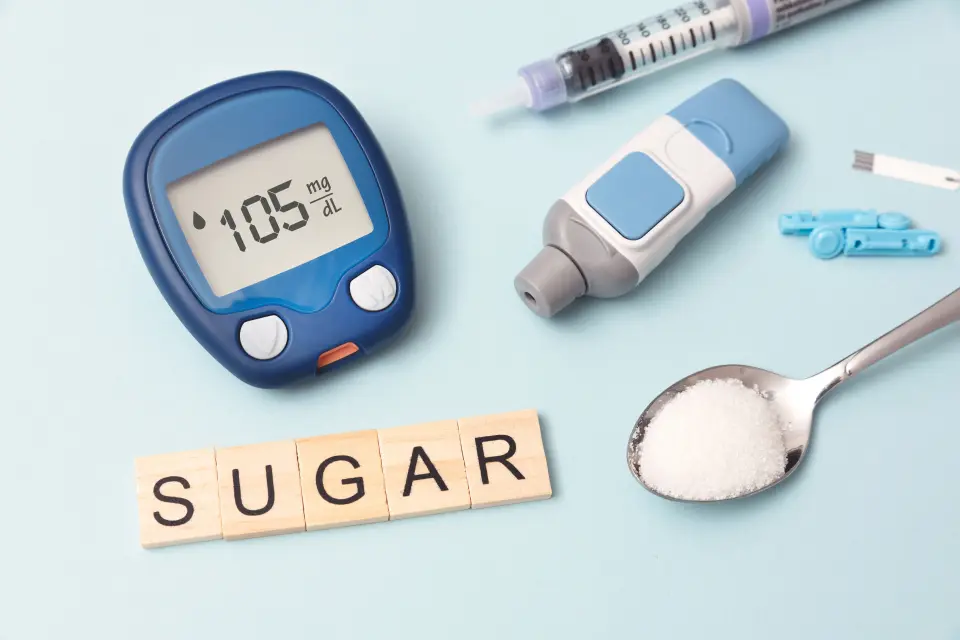
One of the most important and often overlooked explanations for anxiety in people using exenatide is hypoglycemia, or low blood sugar. Exenatide can contribute to blood sugar drops, particularly when it is used alongside sulfonylureas or insulin.
Hypoglycemia produces a distinct cluster of physical symptoms, including shakiness, rapid heartbeat, sweating, and a sense of unease, that closely resemble and can directly trigger anxiety. The body's stress response kicks in to try to raise glucose levels, flooding the system with adrenaline and cortisol. For many patients, this physiological cascade feels indistinguishable from an anxiety episode.
The result is that clinicians and patients alike sometimes attribute what is actually a blood sugar event to a primary psychiatric side effect of the drug. Checking blood glucose when symptoms arise is a simple but powerful step for sorting out the true cause.
Get GLP-1 weight loss treatment online today
A licensed doctor can review your symptoms and send a prescription to your pharmacy, often the same day.
- $39 video visit
- Insurance accepted
- 4.8 on Trustpilot
How GLP-1 Signaling May Affect the Brain
Beyond hypoglycemia, there is a plausible biological reason why exenatide could influence mood and anxiety more directly. GLP-1 receptors in the hypothalamus, amygdala, and brainstem play a role in regulating autonomic nervous system activity and the body's stress response circuits.
Animal studies have shown that GLP-1 signaling can modulate the hypothalamic-pituitary-adrenal (HPA) axis, the system that governs cortisol release and the classic fight-or-flight response. Depending on the context, this modulation may be calming or activating. Early human research remains mixed, with some studies pointing toward possible anxiolytic (anxiety-reducing) effects and others noting heightened nervous system activation in certain individuals.
This ambiguity reflects how complex the brain's response to GLP-1 drugs can be. Individual differences in brain chemistry, genetics, and baseline anxiety levels likely determine whether a given patient experiences calming or activating effects.
Side Effects That Overlap With Anxiety
Even setting aside direct neurological effects, several common exenatide side effects can mimic or worsen anxiety in practical, everyday ways. Understanding these overlaps can help patients and clinicians avoid misattribution.
Possible Cause |
Mechanism |
What to Do |
|---|---|---|
Hypoglycemia |
Adrenaline surge from low blood sugar mimics anxiety symptoms |
Check blood glucose when symptoms appear; adjust dosing with clinician guidance |
Rapid heartbeat or palpitations |
Direct autonomic nervous system activation from GLP-1 receptor stimulation |
Log heart rate alongside symptom timing; report persistent episodes to your prescriber |
Nausea and GI distress |
Physical discomfort elevates stress and can heighten psychological unease |
Discuss dose titration or timing adjustments with your clinician |
Sleep disruption |
GI side effects interrupting sleep independently worsen anxiety |
Evaluate injection timing; poor sleep is a well-documented anxiety amplifier |
Injection site discomfort |
Anticipatory stress around injections can contribute to general nervousness |
Rotate injection sites and discuss technique with your care team |
Nausea is among the most reported side effects of exenatide, and chronic nausea is well known to elevate psychological stress and contribute to a general sense of feeling unwell. Dizziness and rapid heart rate add to this picture, creating a physical environment in which anxiety is more likely to develop or feel more intense.
Recognizing When to Seek a Medical Review
If you started exenatide recently and have noticed new or worsening anxiety, the timing matters. Symptoms that emerge within the first few weeks of starting the medication or after a dose increase are worth discussing with a prescriber promptly.
Keeping a simple symptom diary can be invaluable. Note when anxiety occurs, how intense it feels, whether you have eaten recently, and roughly how long after your dose the symptoms appear. If anxiety consistently coincides with times when blood sugar is likely to be dropping, hypoglycemia is a strong candidate. If symptoms appear at other times and do not resolve with eating, a more direct drug effect or an unrelated cause may be at play.
It is important to emphasize that stopping exenatide abruptly without medical guidance is not recommended. Doing so can disrupt blood sugar control and potentially create new health risks. A clinician can help weigh the benefits of continuing against any side effects you are experiencing and explore whether adjusting the dose, switching to a different medication, or adding supportive treatment makes sense for your situation. Doctronic offers 24/7 HIPAA-aligned consultations, including free AI visits and $39 video appointments with clinicians, making it straightforward to get a timely medication review without waiting weeks for an in-person appointment.
Frequently Asked Questions
Anxiety is not listed as a common side effect in the FDA prescribing information for exenatide. However, post-marketing surveillance data and the FDA Adverse Event Reporting System do include anxiety-related reports from patients using this medication, suggesting a possible link that researchers continue to evaluate.
Panic attacks are not an established side effect of Byetta (exenatide), but some patients have reported intense episodes of nervousness or jitteriness. Low blood sugar triggered by exenatide can produce symptoms like rapid heartbeat and sweating that may feel similar to a panic attack, making careful symptom tracking important.
Check your blood sugar when anxiety symptoms appear. If levels are below normal, hypoglycemia may be the trigger rather than a direct drug effect. Keeping a log of symptom timing relative to meals and doses, then sharing it with your clinician, is the most reliable way to identify the cause.
Not necessarily. Research on GLP-1 drugs and anxiety is still evolving, with some studies suggesting mild anxiolytic effects and others noting increased nervous system activation. Individual responses vary, and whether you experience anxiety may depend on your dose, other medications, and personal susceptibility to nervous system changes.
Do not stop exenatide without talking to your prescriber first. Stopping abruptly can disrupt blood sugar control, which carries its own health risks. Instead, report your symptoms promptly so your clinician can determine whether a dose adjustment, medication switch, or additional evaluation is the most appropriate next step.
The Bottom Line
The relationship between exenatide and anxiety is plausible but often indirect. Hypoglycemia, physical side effects, and the presence of GLP-1 receptors in brain regions tied to stress all offer possible explanations for anxiety-like symptoms some patients experience. However, anxiety is not a formally established common side effect, and many reported cases may reflect overlapping symptoms rather than a direct drug effect. Patients who notice new or worsening anxiety after starting exenatide should track their symptoms carefully and consult a clinician before making any medication changes. Doctronic, the first AI legally authorized to practice medicine, offers free AI consultations and $39 video visits available 24/7 to help you evaluate whether a medication review is warranted. This article is informational and is not a medical diagnosis. Confirm with a licensed clinician, especially for new, worsening, or high-risk symptoms.
Related articles
Get medical advice
Chat Now