Diseases and Conditions
Omeprazole Side Effects Timeline: Week by Week Guide
May 17, 2026
5 min read

Medically reviewed by Oghenefejiro Okifo | MD, Harvard Medical School | Henry Ford Hospital - Detroit, MI on April 19th, 2026.
Published on April 6th, 2026. Updated on July 23rd, 2026.
Calamine lotion contains two active ingredients, zinc oxide and ferric oxide, that work together to dry weeping blisters and relieve itching on contact.
The classic pink formula creates a cooling sensation as it dries, which temporarily interrupts the itch-scratch cycle and reduces inflammation.
Calamine works best for mild-to-moderate reactions from poison ivy, poison oak, mosquito bites, heat rash, and chickenpox, not for infected or open wounds.
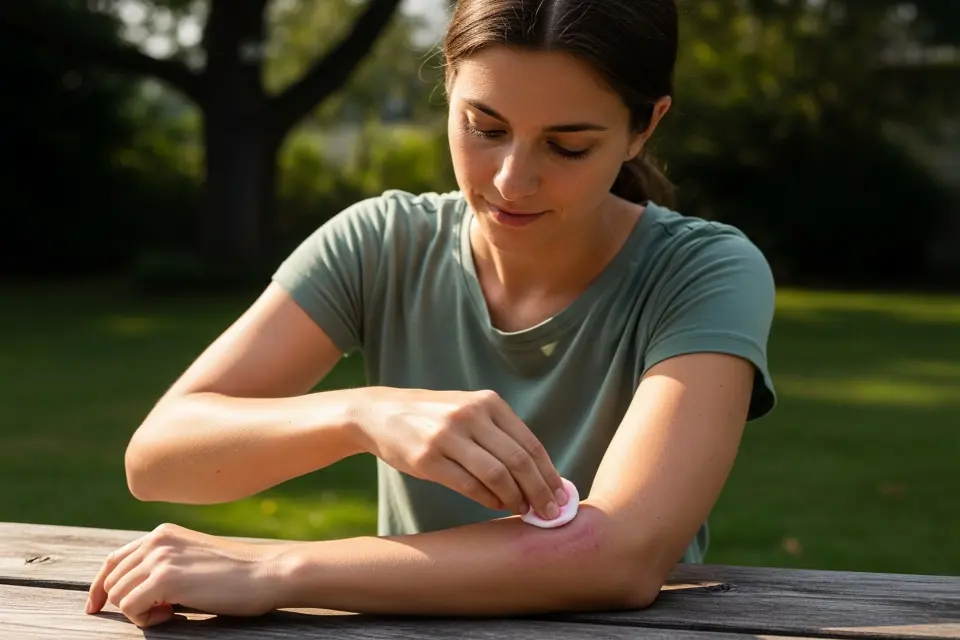
Apply a thin coat with a cotton ball up to four times daily, let it dry completely, and avoid covering with tight bandages that trap moisture.
Calamine is generally safe for adults and children over two, but keep it away from eyes, mucous membranes, and broken skin with signs of infection.
If your rash spreads, swells severely, or shows signs of infection despite home care, Doctronic.ai connects you with licensed physicians 24/7 for same-day telehealth visits from home.
Questions about calamine lotion?
Free. Anonymous. Built by doctors.
This article covers general information. Ask Doctronic about your symptoms, medications, side effects, or treatment options.
Calamine lotion has been a medicine cabinet staple for generations. That familiar pale pink liquid reliably addresses the two most uncomfortable symptoms of itchy, weeping skin reactions: itching and oozing. Whether the source is poison ivy, a mosquito bite, chickenpox, or heat rash, calamine remains a trusted first-line option. This guide covers how it works, which conditions it helps most, and when home treatment is not enough.
Calamine lotion is a suspension of two mineral compounds: zinc oxide and ferric oxide. Zinc oxide makes up the bulk of the formula, typically around 8% of the solution, while ferric oxide (iron oxide) accounts for about 0.5% and gives the lotion its pink color. The remaining base is usually a mixture of water, glycerin, and bentonite magma to keep the minerals suspended.
Zinc oxide has been used medicinally for centuries, and calamine has endured because it works consistently for a narrow but very common set of skin problems.
When you apply calamine to irritated skin, water in the formula begins evaporating almost immediately. This evaporation pulls heat away from the skin surface, creating a mild cooling sensation that interrupts the itch signal. The effect is temporary, which is why reapplication every few hours is recommended.
Zinc oxide acts as a mild astringent: as it dries, it constricts superficial blood vessels and dries out weeping fluid from blisters and inflamed lesions. This drying action is especially helpful for contact dermatitis and chickenpox sores, where oozing drives both discomfort and secondary infection risk. Ferric oxide adds mild anti-inflammatory properties, though zinc oxide does most of the work.
Calamine does not treat the underlying cause of a rash. It does not neutralize allergens, kill pathogens, or stop the immune cascade triggered by urushiol. For severe allergic reactions, oral antihistamines or prescription corticosteroids may be needed alongside or instead of calamine.
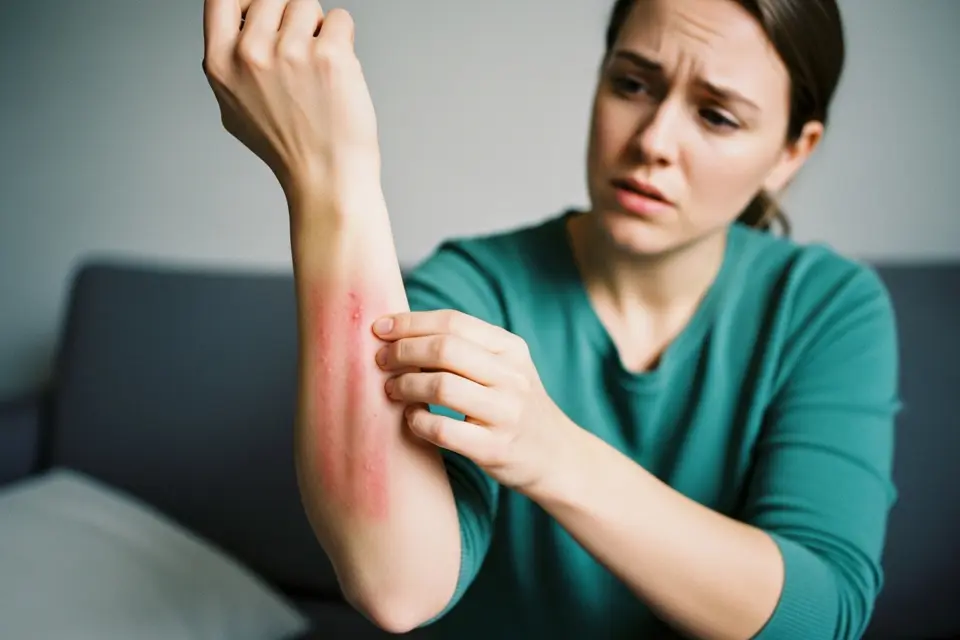
Poison ivy, poison oak, and poison sumac all contain the same allergen: urushiol oil. When this oil contacts the skin, it triggers a delayed hypersensitivity reaction. The rash typically appears 12 to 72 hours after exposure and presents as red streaks, intense itching, and fluid-filled blisters. Scratching open blisters can introduce bacteria and lead to infection.
Understanding the full poison ivy rash timeline, from first contact to resolution, helps set realistic expectations for recovery.
The drying and cooling properties of calamine make it particularly effective for the blister and oozing phase of a poison ivy rash. Applying calamine several times a day helps dry out weeping blisters, reduce the urge to scratch, and keep the affected area clean while the immune reaction runs its course.
Most mild to moderate poison ivy rashes resolve within one to three weeks with consistent home care. Calamine addresses the worst of the symptoms during that window. For widespread rashes, rashes near the eyes or mouth, or reactions involving significant facial swelling, a doctor visit is warranted and oral prednisone may be prescribed.
Mosquito bites trigger a localized histamine response that causes the familiar raised, itchy bump. Calamine applied soon after a bite can reduce itching and the size of the welt by drying the minor local swelling and cooling the skin. The same approach works for gnats, sand flies, chiggers, and other small insects. For multiple bites or severe local reactions, an oral antihistamine may provide more comprehensive relief than topical calamine alone.
For bee or wasp stings where the stinger has been removed, and there is no sign of systemic reaction, calamine can soothe local irritation after washing the site with soap and water. It will not neutralize venom, but it reduces surface itching and inflammation.
If a sting causes hives beyond the bite site, throat tightness, dizziness, or difficulty breathing, that is a medical emergency requiring epinephrine, not calamine. Knowing the signs that a bite needs medical attention helps you decide when to move beyond home treatment.
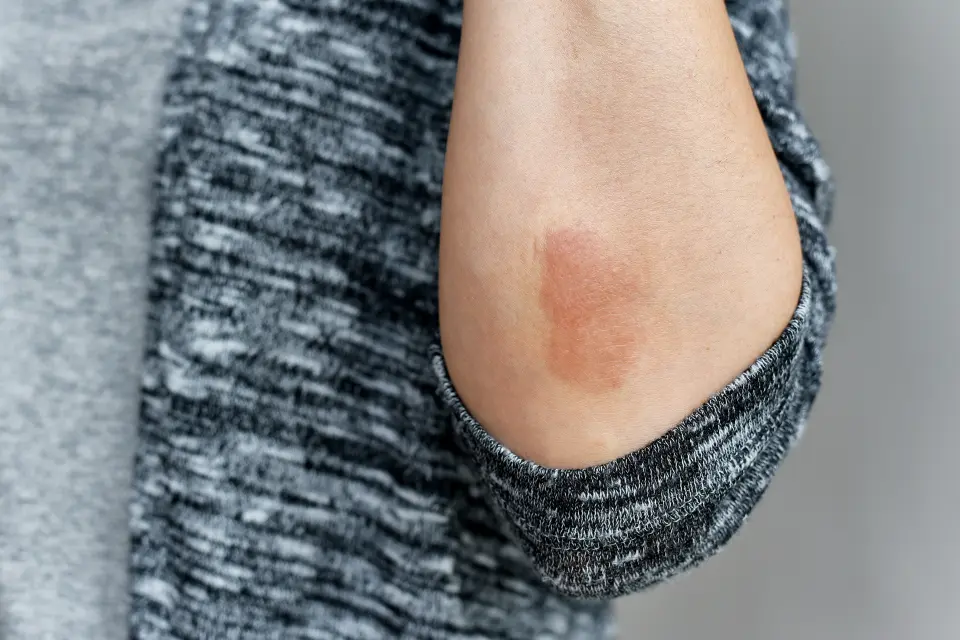
Heat rash (miliaria) occurs when sweat ducts become blocked, and sweat is trapped under the skin, producing small red bumps or blisters. It is common in hot, humid weather and in infants. Calamine helps by drying excess moisture, cooling the skin, and relieving the prickling itch that gives heat rash its other name: prickly heat. Move to a cooler environment, wear loose clothing, and apply calamine until the rash clears, usually within a few days.
Chickenpox blisters are intensely itchy and prone to secondary bacterial infection from scratching. Calamine dries the blisters and reduces the urge to scratch without interfering with the body's immune response. Dab it on individual spots and reapply whenever itching returns. Keep fingernails trimmed to minimize skin damage. Chickenpox in adults or immunocompromised individuals often requires antiviral medication alongside symptom relief.
Shingles produces a painful blistering rash along one side of the body from reactivation of the varicella zoster virus. Calamine can manage surface itching during the blister phase, but shingles requires antiviral medication to reduce severity and the risk of post-herpetic neuralgia. If the rash is near an eye, contact a doctor promptly rather than relying on calamine alone.
Beyond poison ivy, calamine can help with other contact dermatitis reactions from cosmetics, metals (like nickel jewelry), or household chemicals. If you are unsure whether your rash is contact dermatitis or something else, resources that help you identify what's causing your rash can help narrow down the source before deciding on treatment.
Wash the affected area gently with mild soap and lukewarm water. Pat dry with a clean cloth.
Shake the calamine bottle well for 30 to 60 seconds before opening.
Apply the lotion with a clean cotton ball or cotton pad, using gentle dabbing motions rather than rubbing.
Cover the entire rash with a thin, even coat.
Allow the lotion to dry completely before pulling clothing over the area.
Reapply up to four times daily or whenever itching returns.
Do not apply calamine to broken, raw, or infected skin. Do not cover a calamine-treated area with a tight bandage or occlusive dressing, as this traps moisture and reduces the drying effect. Do not apply near the eyes, inside the nose, or on mucous membranes. Do not use on children under two without a doctor's guidance.
Calamine is safe for most people when used as directed. Rare contact allergy to inactive ingredients has been reported; if you develop increased redness or swelling at the application site, discontinue use. Calamine is for external use only and should not be ingested.
Calamine is appropriate for mild to moderate symptoms. See a doctor or seek telehealth care if:
The rash covers a large area of the body or face
Blisters become pus-filled, warm to the touch, or surrounded by expanding redness (signs of infection)
You develop a fever alongside the rash
The rash does not improve after one week of consistent home care
Itching is severe enough to disrupt sleep repeatedly
The rash is near the eyes, mouth, or genitals
You experience difficulty breathing, throat tightening, or widespread hives after an insect sting or plant contact
For situations where you're unsure whether your skin reaction needs prescription treatment, Doctronic.ai makes it easy to get a clinical opinion quickly through 24/7 telehealth visits with licensed physicians.
No, calamine lotion does not cure poison ivy. It does not neutralize or remove urushiol oil, and it does not shorten the duration of the immune reaction. What it does is relieve the itching and help dry out weeping blisters, making the rash more manageable while the body’s immune response runs its course over one to three weeks.
Calamine is generally considered safe for children over two years of age. For infants under two, consult a pediatrician before applying. Keep calamine away from the eyes and mouth, and prevent young children from ingesting it. For chickenpox or heat rash in children, calamine is a commonly recommended first-line option.
The cooling sensation from calamine is noticeable within minutes of application. Itch relief is typically temporary, lasting one to two hours before reapplication is needed. The drying effect on blisters and weeping lesions takes longer, usually improving over several days of consistent use. There is no instant fix for contact dermatitis or chickenpox, but calamine meaningfully reduces discomfort throughout the healing process.
No. Calamine should not be applied to infected skin. Signs of infection include pus-filled blisters, expanding redness, warmth, swelling, and fever. Infected rashes require antibiotic treatment, either topical or oral, depending on severity. Using calamine on an infected wound can trap bacteria and delay appropriate treatment.
Yes. Calamine lotion is a liquid suspension that dries quickly, making it well-suited for weeping blisters and moist rashes. Calamine cream has an oil-based or emollient base that does not dry the skin in the same way. Cream formulations may be more suitable for dry, non-weeping rashes where additional moisture is beneficial. For most poison ivy, chickenpox, and heat rash applications, the standard lotion is preferred.
Calamine lotion is a reliable, low-cost tool for managing the itch and oozing of mild to moderate skin reactions from poison ivy, bug bites, heat rash, and chickenpox. Its two active ingredients work by cooling the skin and drying surface moisture, not by treating the underlying cause. For rashes that are spreading, infected, or not responding to home care within a week, professional evaluation is the right next step. Doctronic.ai connects you with licensed physicians around the clock through free AI-powered consultations and same-day telehealth visits, so you can get answers without waiting for a clinic appointment.
Get urgent medical guidance today
Chat Now