
Diseases and Conditions
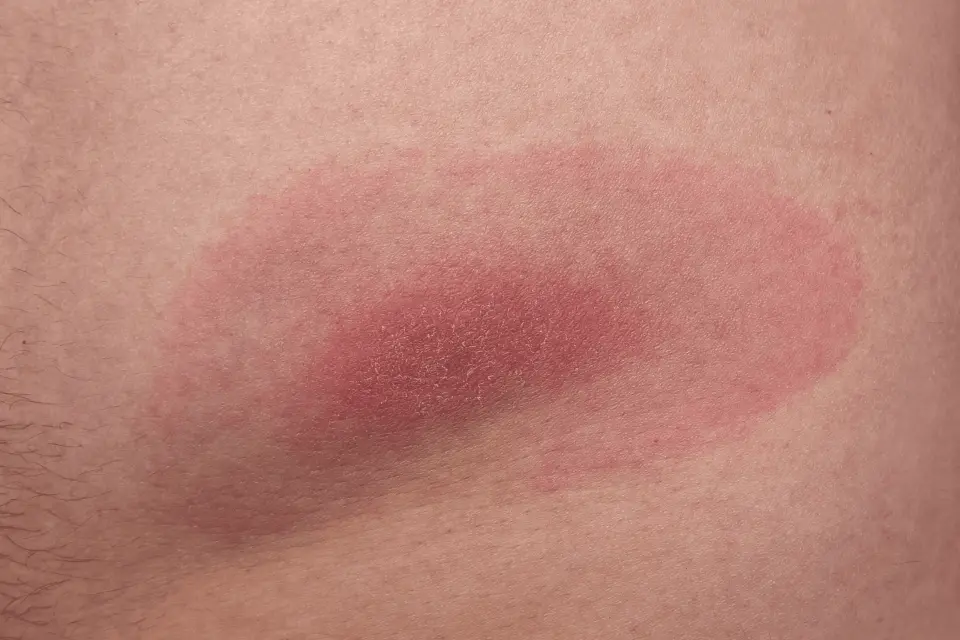
Bullseye Rash After a Bug Bite: Is It Lyme Disease?
March 30, 2026
6 min read

Medically reviewed by Alan Lucks | MD, Alan Lucks MDPC Private Practice - New York on June 17th, 2026.
Published on June 11th, 2026. Updated on June 18th, 2026.
Home Lyme tests have moderate accuracy but frequently miss early infections due to the timing of antibody development
Laboratory testing using two-tier protocols remains the gold standard for reliable Lyme disease diagnosis
Tick testing kits can provide useful information but don't replace medical evaluation after a bite
Symptom recognition is often more important than testing results in early-stage Lyme disease detection
Professional medical assessment is essential for proper treatment decisions and interpretation of test results
At-home Lyme disease testing has gained popularity as people seek convenient alternatives to traditional laboratory testing. These kits typically fall into three main categories: blood spot tests that analyze finger-prick samples, urine-based tests, and tick testing kits that analyze removed ticks for the presence of Lyme bacteria.
Blood spot tests work by detecting antibodies your immune system produces in response to Lyme disease bacteria. You collect a small blood sample on provided paper cards, mail them to a laboratory, and receive results within several days. Urine tests follow a similar process but analyze different biomarkers that may indicate infection.
Tick testing represents a different approach entirely. Rather than testing your body's response to infection, these kits analyze the tick itself to determine if it carries Lyme bacteria. This information can be valuable for risk assessment, though a positive tick test doesn't guarantee you'll develop an infection.
The timing of testing plays a crucial role in reliability. Unlike rapid diagnostic tests for other conditions, Lyme testing depends on your immune system's antibody response, which takes time to develop. This creates a challenging window where testing may not reflect your actual infection status.
Clinical studies examining at-home Lyme test accuracy reveal significant variability in performance. Most home blood tests demonstrate sensitivity rates between 60-80%, meaning they correctly identify 6-8 out of every 10 people who actually have Lyme disease. However, this leaves a substantial percentage of infections undetected.
The specificity rates, which measure how well tests avoid false positives, typically range from 85-95%. While this seems reassuring, the combination of moderate sensitivity and good specificity creates a testing scenario where many true infections go unrecognized, particularly in early stages.
Several factors affect test reliability beyond the inherent limitations of the testing technology. The stage of infection significantly impacts detection rates, with early infections producing fewer detectable antibodies. Individual immune system variations also influence antibody production, creating person-to-person differences in test performance. Similar to how at home std testing faces timing challenges, Lyme testing accuracy depends heavily on when samples are collected relative to exposure.
The most significant limitation of home Lyme testing occurs during the critical early treatment window. Lyme disease bacteria can take 2-6 weeks to trigger detectable antibody responses, creating a problematic gap where infected individuals test negative despite active infection.
This timing issue proves particularly concerning because early-stage Lyme disease responds best to treatment. The characteristic bullseye rash after a bug bite appears in only 70-80% of cases, and when present, often occurs before antibody tests become positive.
Regional variations in Lyme disease bacterial strains add another layer of complexity. Different strains may produce varying immune responses, potentially affecting test sensitivity in different geographic areas. This factor becomes especially relevant for people who travel or live in regions with multiple tick-borne disease risks.
False negative rates remain highest during the first month after deer ticks bite, precisely when treatment decisions are most critical. Many healthcare providers recommend starting treatment based on clinical symptoms and exposure history rather than waiting for test confirmation during this period.
Professional laboratory testing employs a two-tier approach that significantly improves diagnostic accuracy compared to single-test home kits. This standardized protocol first screens samples with an enzyme immunoassay (EIA), then confirms positive or borderline results with Western blot testing.
Testing Method |
Accuracy Rate |
Cost Range |
Time to Results |
|---|---|---|---|
Home Blood Spot Test |
60-80% sensitivity |
$150-300 |
3-7 days |
Laboratory Two-Tier |
85-95% sensitivity |
$200-400 |
2-5 days |
Clinical Evaluation |
Varies by symptoms |
$300-600 |
Same day assessment |
Quality control measures in certified laboratories exceed those typically available for home testing. Professional labs maintain strict temperature controls, standardized procedures, and regular equipment calibration that home testing cannot replicate. These factors contribute to more consistent and reliable results.
Interpretation of results also differs significantly between home and laboratory testing. Professional laboratories provide detailed reports with reference ranges and interpretive comments, while home tests often deliver simplified positive/negative results that may not capture the complexity of Lyme antibody responses.
The accuracy and best practices in home testing continue to evolve, but laboratory testing maintains advantages in standardization and quality assurance.
Home testing may serve as a reasonable initial screening tool in specific situations. People with potential chronic Lyme symptoms who want preliminary information before seeking medical care might find home testing useful. Additionally, individuals in high-risk areas who want to monitor their status periodically could benefit from the convenience of home testing.
However, certain situations warrant immediate professional medical evaluation regardless of test results. Anyone experiencing the classic symptoms of early Lyme disease, including fever, fatigue, joint pain, or rash, should seek medical attention promptly. Similarly, people who find attached ticks or have definite tick bite exposure in endemic areas should consult healthcare providers.
The decision between home testing and professional evaluation often involves balancing convenience, cost, and accuracy needs. Home testing costs typically range from $150-300, while professional testing may cost $200-400 but often includes insurance coverage options.
Cost considerations extend beyond the initial test price. If home testing produces unclear or concerning results, follow-up professional testing becomes necessary, effectively doubling the total cost. Insurance coverage varies significantly for home testing compared to physician-ordered laboratory tests.
Doctronic's AI-powered consultations, which maintain 99.2% treatment plan alignment with board-certified physicians, can help evaluate your testing options and symptoms. Whether you're considering home testing or need interpretation of results, professional medical guidance ensures you make informed decisions about your health. With over 22 million AI consultations completed, Doctronic provides accessible expertise for lyme disease testing decisions and symptom assessment.
The key to successful Lyme disease management lies in understanding both the capabilities and limitations of available testing options, then choosing the approach that best fits your specific situation and risk factors.
At-home blood tests typically show 60-80% accuracy rates, but they frequently miss early infections. The timing of testing after exposure significantly affects reliability, with false negatives common in the first few weeks after infection.
Yes, tick testing kits are available that can identify Lyme bacteria in removed ticks. However, a positive tick test doesn't guarantee infection, and negative results don't rule out the need for symptom monitoring.
Antibody tests become more reliable 4-6 weeks after infection. Testing too early often produces false negatives because the immune system needs time to develop detectable antibody levels against the bacteria.
Several FDA-approved options exist, but accuracy varies. Look for kits that test for multiple antibody types and provide clear instructions. However, laboratory testing generally offers superior accuracy and reliability.
Many physicians view home test results as preliminary screening tools rather than definitive diagnoses. They often recommend confirmatory laboratory testing, especially for treatment decisions or when symptoms are present.
At-home Lyme disease tests offer convenience and initial screening capabilities, but they have significant accuracy limitations, particularly for early-stage infections. While these tests may detect antibodies in established infections, they frequently produce false negatives during the critical early treatment window. Laboratory testing using standardized two-tier protocols remains the most reliable diagnostic approach. The timing of testing, symptom assessment, and professional medical interpretation are crucial factors that home testing alone cannot adequately address. This article is informational and is not a medical diagnosis. Confirm with a licensed clinician, especially for new, worsening, or high-risk symptoms.
Understand your test results
Chat Now
Join 50,000+ readers using Doctronic to understand symptoms, medications,
and next steps.
Add your phone number below to get health updates and exclusive VIP offers.
By providing your phone number, you agree to receive SMS updates from Company. Message and data rates may apply. Reply “STOP” to opt-out anytime. Read our Privacy Policy and Terms of Service for more details.
Save your consults. Talk with licensed doctors and manage your health history.