
What Does It Mean When Tirzepatide Stops Working?

Medically reviewed by Linda Girgis | MD, Girgis Family Medicine on August 21, 2026.
When tirzepatide stops working, your weight loss plateaus or you begin regaining weight despite continued medication use. This typically occurs due to metabolic adaptation, where your body adjusts to the medication's effects over 6-12 months of treatment. Common signs include returning hunger, reduced satiety after meals, and weight stabilization or gain. Studies show that 15-20% of patients experience diminished effectiveness after prolonged use. Your healthcare provider may recommend dose adjustments, medication holidays, or switching to alternative GLP-1 medications. We can help you understand your options and connect you with specialists who can optimize your treatment plan for sustained results.
Still have questions about this?
Ask your AI Doctor
Keep exploring
Related Questions
From the blog
More from Doctronic
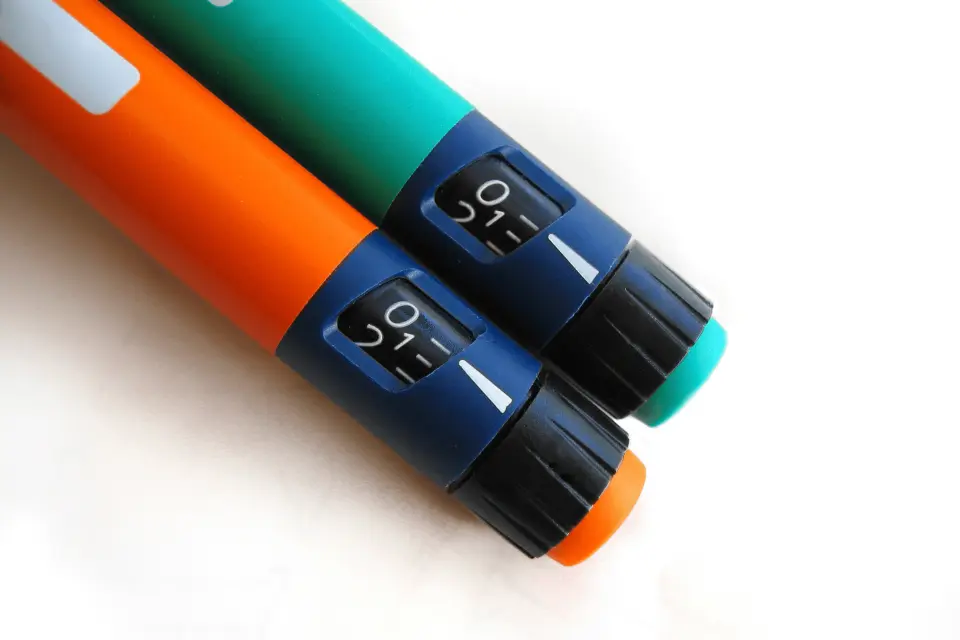
Tirzepatide vs Semaglutide: Which Is Better for Weight Loss?
Understanding Tirzepatide and Semaglutide Both Tirzepatide and Semaglutide belong to a class of drugs that mimic hormones involved in blood sugar…

Why Am I Not Losing Weight on Tirzepatide?
Understanding Tirzepatide and Its Role in Weight Loss Tirzepatide is a medication that has gained attention for its ability to support weight loss,…
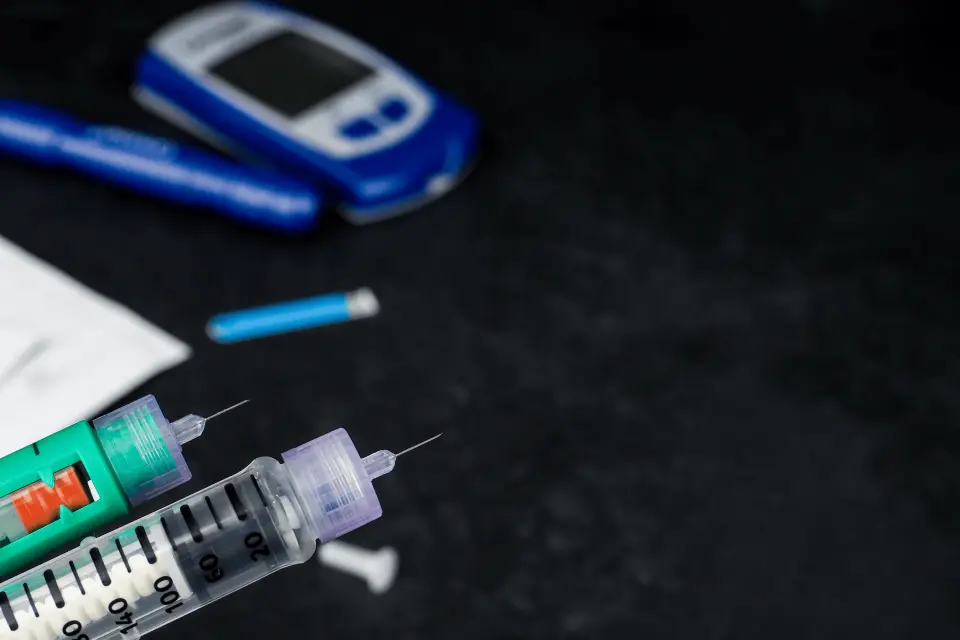
Difference Between Semaglutide and Tirzepatide
Understanding Semaglutide and Tirzepatide Both semaglutide and tirzepatide are injectable drugs designed to help people manage type 2 diabetes and…