
How Do You Prevent Constipation on GLP-1 Medication?

Medically reviewed by Linda Girgis | MD, Girgis Family Medicine on August 20th, 2026.
Preventing constipation on GLP-1 medication requires proactive dietary and lifestyle strategies. Increase fiber intake to 25-35 grams daily through fruits, vegetables, and whole grains. Drink at least 64 ounces of water throughout the day to support digestive function. Incorporate gentle physical activity like walking to stimulate bowel movements. Start with natural remedies such as prunes or psyllium husk supplements. Eat smaller, frequent meals rather than large portions to ease digestion. Avoid processed foods that can worsen constipation. Studies show 30-40% of GLP-1 users experience constipation, but these preventive measures significantly reduce severity and frequency when implemented consistently.
Still have questions about this?
Ask your AI Doctor
Keep exploring
Related Questions
From the blog
More from Doctronic
Ozempic And Constipation: Why It Happens and What Helps
Constipation affects up to 30% of Ozempic users, but understanding why it happens and implementing targeted strategies can help you maintain…
How To Prevent Loose Skin During Glp 1 Weight Loss
GLP-1 medications like Ozempic and Wegovy deliver remarkable weight loss results, but rapid fat reduction can leave behind loose, sagging skin.…
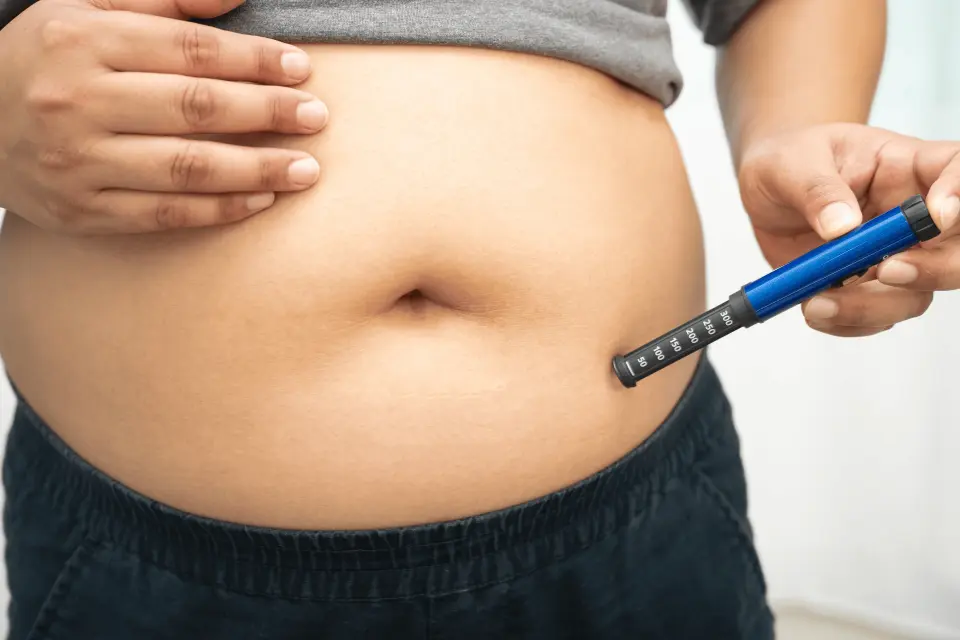
Can Mounjaro Cause Constipation?
Understanding Mounjaro and Its Uses Mounjaro is a prescription medication designed to help people with type 2 diabetes control their blood sugar…