
Can an AI Doctor Write a Legitimate Doctor's Note?

Medically reviewed by Alan Lucks | MD, Alan Lucks MDPC Private Practice - New York on July 27th, 2026.
Published on June 17th, 2025.
Key takeaways
Advanced natural language processing algorithms can reduce physician documentation time by up to 30%, allowing doctors to spend those saved hours directly with patients instead of typing notes.
Machine learning systems cross-reference patient data automatically during note creation, catching potential medication interactions and missed diagnoses that human doctors might overlook during busy shifts.
Hospital networks implementing automated documentation report measurably higher physician satisfaction scores and improved care continuity for chronic disease patients who see multiple providers.
Healthcare organizations must establish HIPAA-aligned data encryption and clear liability protocols before deployment, as AI systems require access to sensitive patient information to function effectively.
Standardized medical terminology generated by these systems reduces communication errors between healthcare team members, particularly critical during patient handoffs between shifts and departments.
An AI doctor note is legitimate when it's generated through a real clinical encounter — reviewed and signed by a licensed physician. What makes one fraudulent is fabricating symptoms or bypassing an actual evaluation. This article breaks down how AI-generated doctor notes work, what separates a valid note from a fake one, and how Doctronic's physician-supervised process keeps everything above board.
The Evolution of Healthcare Documentation
Healthcare documentation has undergone significant transformations over the years. From handwritten notes to electronic health records (EHRs), the methods of documenting patient care have evolved to improve efficiency and accuracy.
However, despite these advancements, challenges remain.
Current Challenges in Documentation
Healthcare providers often face several challenges when it comes to documentation:
Time Constraints: Physicians are frequently pressed for time, leading to rushed documentation that may lack detail.
Inconsistency: Variability in how notes are written can lead to misinterpretations and errors.
Burnout: The administrative burden of documentation contributes to physician burnout, affecting overall patient care.
The Role of AI in Addressing These Challenges
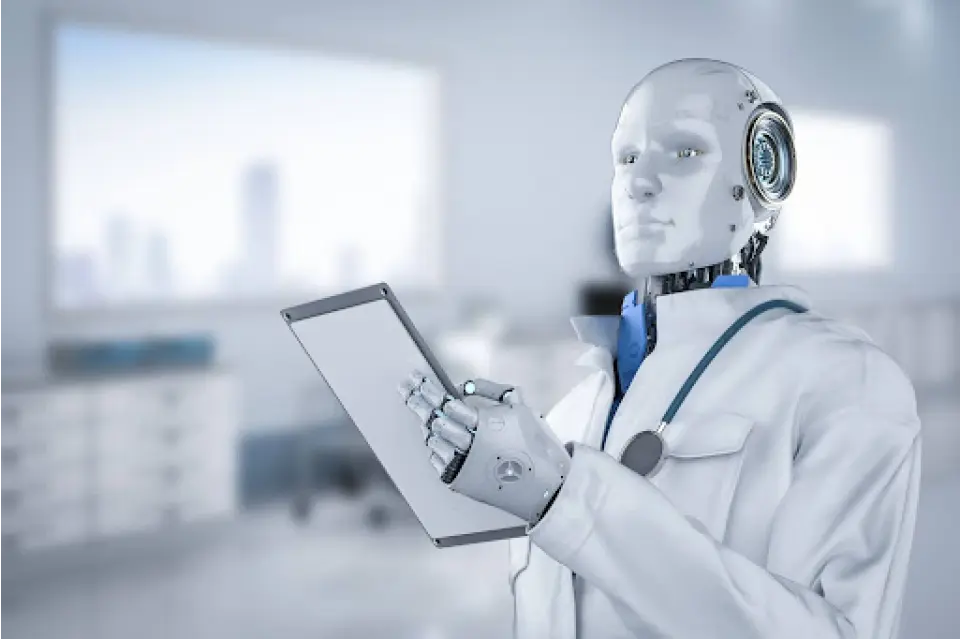
AI has the potential to alleviate some of these issues. By automating the documentation process, AI can help ensure that notes are consistent, comprehensive, and generated promptly.
This not only improves the quality of patient care but also allows healthcare providers to focus more on their patients rather than paperwork.
Moreover, AI can analyze vast amounts of data to identify patterns and trends that may not be immediately apparent to human providers.
For instance, machine learning algorithms can sift through historical patient records to predict potential health risks, enabling proactive interventions.
This capability enhances the quality of care and fosters a more personalized approach to treatment, as healthcare providers can tailor their strategies based on specific patient histories and needs.
Additionally, the integration of natural language processing (NLP) within AI systems can further streamline documentation. NLP can convert spoken language into written text, allowing physicians to dictate their notes during patient interactions.
This not only saves time but also captures the nuances of patient conversations that might be lost in traditional note-taking. As AI continues to evolve, its role in healthcare documentation is likely to expand, potentially transforming the entire landscape of patient care.
How AI Generates Doctor Notes
The technology behind AI-generated doctor notes is rooted in natural language processing (NLP) and machine learning algorithms. These systems analyze vast amounts of medical data to learn how to create coherent and contextually relevant notes.
Natural Language Processing Explained
NLP is a branch of AI that focuses on the interaction between computers and human language. In the context of healthcare, NLP can:
Extract relevant information from patient records.
Understand medical terminology and jargon.
Generate human-like text based on input data.
NLP can also identify patterns in patient symptoms and treatment responses by utilizing advanced algorithms, which can be crucial for predictive analytics in healthcare.
For instance, it can help in flagging potential health risks by analyzing a patient's history and correlating it with similar cases.
This capability not only streamlines the documentation process but also enhances the quality of patient care by ensuring that critical information is readily available to healthcare providers.
Machine Learning and Its Applications
Machine learning algorithms improve over time as they are exposed to more data. In the case of AI doctor notes, the system learns from existing notes written by healthcare professionals, allowing it to mimic their style and accuracy. This iterative process enhances the reliability of the notes produced.
Moreover, machine learning can assist in customizing the documentation process based on individual clinician preferences or specialties.
For example, a cardiologist may require more detailed descriptions of heart function and medication regimens, while a pediatrician might focus on developmental milestones and vaccination schedules.
By adapting to these specific needs, AI-generated notes can become even more useful in supporting healthcare professionals in their daily tasks, ultimately leading to improved patient outcomes.
Benefits of AI-Generated Doctor Notes
Implementing AI-generated doctor notes in healthcare settings has numerous advantages. These benefits extend beyond mere convenience and can significantly impact patient care and operational efficiency.
Improved Efficiency
One of the most significant advantages of AI-generated doctor notes is the time saved in documentation:
Automated notes can be produced in real-time, allowing providers to spend more time with patients.
Reduces the backlog of paperwork, enabling quicker access to patient records.
Moreover, this efficiency translates into a more streamlined workflow within healthcare facilities. With AI handling the bulk of documentation, healthcare providers can allocate their time to more critical tasks, such as patient assessments and treatment planning.
This shift enhances the overall patient experience and contributes to a more satisfying work environment for healthcare professionals, who often face burnout due to excessive administrative duties.
Enhanced Accuracy
AI systems can help minimize human error in documentation:
Standardized language reduces variability in notes, leading to clearer communication among healthcare teams.
AI can cross-reference patient data to ensure that all relevant information is included.
In addition to reducing errors, AI-generated notes can also provide a level of detail that may be overlooked in traditional documentation methods.
By analyzing vast amounts of patient data, AI can identify patterns and trends that might inform treatment decisions.
This capability not only enhances the accuracy of individual notes but also contributes to a more comprehensive understanding of patient populations, ultimately leading to improved clinical outcomes.
Accessibility and Continuity of Care
AI-generated notes can enhance the accessibility of patient information:
Notes can be easily shared among healthcare providers, facilitating better collaboration.
Improved documentation supports continuity of care, ensuring that all providers are informed of a patient's history and treatment plan.
Furthermore, the ability to access AI-generated notes from various devices and locations means that healthcare providers can stay informed even when they are not physically present in the office.
This flexibility is particularly beneficial in emergency situations, where timely access to a patient's medical history can be critical.
Additionally, as telehealth services continue to grow, AI-generated notes can help ensure that remote consultations are just as thorough and informative as in-person visits, thereby maintaining high standards of care regardless of the setting.
Ethical Considerations
While the benefits of AI-generated doctor notes are compelling, ethical considerations must be addressed. The use of AI in healthcare raises questions about privacy, accountability, and the potential for bias.
Patient Privacy and Data Security
With the increasing reliance on AI, safeguarding patient information becomes paramount. Healthcare organizations must ensure that:
Data is encrypted and securely stored to prevent unauthorized access.
Patients are informed about how their data is being used and have control over it.
Moreover, the integration of AI technologies must comply with regulatory frameworks such as HIPAA in the United States, which sets standards for protecting sensitive patient information.
Organizations should conduct regular staff training on data privacy practices to reinforce the importance of safeguarding patient information.
Additionally, implementing robust incident response plans can help organizations quickly address any data breaches, minimizing potential harm to patients and maintaining trust in healthcare systems.
Accountability in Care
Determining accountability in the event of an error is another concern:
Healthcare providers must establish clear guidelines on who is responsible for the accuracy of AI-generated notes.
Regular audits and oversight can help maintain accountability and ensure quality control.
Furthermore, healthcare institutions must foster a culture of transparency where errors can be reported without fear of retribution. This openness encourages continuous learning and improvement in AI systems.
Engaging interdisciplinary teams, including ethicists, legal experts, and healthcare professionals, in the development and oversight of AI technologies can also enhance accountability and ensure that diverse perspectives are considered in decision-making processes.
Addressing Bias in AI
AI systems are only as good as the data they are trained on. If the training data contains biases, the AI may perpetuate these biases in its outputs:
It is essential to use diverse and representative datasets to train AI systems.
Ongoing evaluation of AI performance can help identify and mitigate bias.
In addition to using diverse datasets, it is important to involve stakeholders from various backgrounds in the design and implementation phases of AI systems.
This collaboration can help highlight potential blind spots and ensure that the technology is equitable and just.
Furthermore, incorporating feedback from patients and healthcare providers can lead to more nuanced understandings of how AI impacts different demographics, ultimately fostering systems that are more responsive to the needs of all patients.
Real-World Applications and Case Studies
Several healthcare organizations are already exploring the use of AI-generated doctor notes, providing valuable insights into their effectiveness.
The integration of artificial intelligence in clinical documentation not only enhances efficiency but also allows healthcare providers to focus more on patient care rather than administrative tasks, which can often be overwhelming.
Case Study: A Leading Hospital Network
A prominent hospital network implemented an AI system to assist physicians in generating patient notes. The results were promising:
Documentation time decreased by 30%, allowing for increased patient interaction.
Physician satisfaction improved, with many reporting reduced stress related to paperwork.
Furthermore, the AI system was designed to learn from each physician's specific language and preferences, tailoring its output to match their style.
This personalization not only made the notes more coherent but also fostered a sense of trust between the doctors and the AI technology.
The hospital network reported a significant reduction in errors in documentation, which is crucial for maintaining patient safety and ensuring compliance with healthcare regulations.
Case Study: Telemedicine Platforms
Telemedicine platforms have also begun utilizing AI for documentation:
AI-generated notes help streamline virtual consultations, ensuring that providers have accurate records.
This has been particularly beneficial in managing chronic conditions, where continuity of care is crucial.
In addition to improving documentation accuracy, these platforms have leveraged AI to analyze patient interactions, identifying patterns that can inform treatment plans.
For instance, AI algorithms can flag potential medication interactions or suggest follow-up appointments based on the patient's history. This proactive approach enhances the quality of care and empowers patients by keeping them informed and engaged in their treatment journey.
As telemedicine continues to grow, AI's role in supporting healthcare providers and patients alike will likely expand, paving the way for more innovative solutions in the field.
Challenges to Implementation
Despite the potential advantages, implementing AI-generated doctor notes is not without challenges. Understanding these obstacles is essential for successful integration.
Integration with Existing Systems
Healthcare organizations often use various EHR systems, making integration a complex task:
AI solutions must be compatible with existing technology to ensure seamless workflows.
Training staff to use new systems can also be time-consuming and resource-intensive.
Resistance to Change
Healthcare professionals may be hesitant to adopt AI technology:
Concerns about job displacement and the reliability of AI-generated notes can lead to resistance.
Education and training can help alleviate fears and build trust in AI systems.
Regulatory and Legal Considerations
The use of AI in healthcare is subject to regulatory scrutiny, and AI doctor notes are no exception:
A legitimate doctor note online must be tied to a real clinical encounter and signed by a licensed provider — AI alone cannot substitute for that.
Submitting a fabricated or AI-only note to an employer, school, or insurer without a physician's review is considered fraud and can carry serious legal consequences.
Organizations must establish clear guidelines for AI-generated documentation to ensure every note meets the legal standard of care.
See a doctor online today
A licensed doctor can review your symptoms online, talk through next steps, and send a prescription to your pharmacy if appropriate.
- $39 video visit
- Insurance accepted
- 4.8 on Trustpilot
What Makes an AI Doctor Note Legitimate — and What Makes It Fraud
When people search for an AI doctor note, they're often wondering one of two things: can AI produce a note that actually holds up, or are they looking for a shortcut that bypasses a real visit? The answer to both questions matters — legally and medically.
A legitimate AI doctor note requires a real clinical encounter. That means a licensed physician reviews your symptoms, makes a clinical judgment, and either signs off on the note or determines one isn't appropriate. AI can assist in drafting the documentation, but the physician's review and signature are what give the note legal standing. This is exactly how Doctronic works: our AI gathers your symptom history and clinical details, then a licensed physician reviews everything and issues the note when it's medically warranted.
What makes a note fraudulent is bypassing that clinical review entirely. If a website generates a note with no physician involvement — no evaluation, no medical judgment, no licensed signature — that document is fabricated. Submitting it to an employer, school, insurance company, or court is a form of fraud. Depending on your state, consequences can range from termination or academic suspension to criminal charges. This is the key distinction between a 'fake dr note' (illegal) and a legitimate doctor note online obtained through a proper telehealth consultation (legal).
Why this distinction matters for patients. Beyond the legal risk, a fabricated note provides no real medical protection. If your symptoms reflect a condition that needs treatment, a fake note delays care. A physician-reviewed note through a platform like Doctronic, by contrast, means a real clinician looked at your case — which can catch something you didn't expect.
What a legitimate AI doctor note typically includes:
Patient name, date of visit, and the provider's name and credentials
A brief clinical summary or the nature of the visit (without disclosing private details unnecessarily)
The recommended duration of absence or activity restriction, if applicable
The licensed physician's signature or electronic attestation
If a service offers a doctor note without any of these elements — or without any actual clinical interaction — treat it as a red flag. Legitimate telehealth platforms are transparent about who reviews your case and what credentials that provider holds. Getting a note through a proper consultation is both faster and safer than risking the legal fallout of a fraudulent document.
The Future of AI in Healthcare Documentation
The future of AI-generated doctor notes looks promising, with ongoing technological advancements and increasing acceptance among healthcare professionals.
As AI continues to evolve, its applications in healthcare documentation are likely to expand.
Potential Innovations
Future innovations may include:
Enhanced voice recognition capabilities for real-time note-taking during patient interactions.
Integration with wearable devices to automatically update patient records based on real-time data.
Collaboration Between AI and Healthcare Professionals
The most effective use of AI in healthcare will likely involve collaboration between AI systems and healthcare professionals:
AI can handle routine documentation tasks, while providers focus on complex decision-making and patient care.
This partnership can lead to improved outcomes and a more satisfying work environment for healthcare providers.
AI Notes in Healthcare: Powered by Doctronic
The potential for AI-generated doctor notes to transform healthcare documentation is significant. By addressing current challenges, enhancing efficiency, and improving accuracy, AI can play a crucial role in the future of healthcare.
Doctronic is leading this evolution, offering AI-driven tools that support smarter and faster documentation. While ethical considerations and implementation challenges remain, collaboration between AI and healthcare professionals will be key.
As technology advances, integrating AI into medical documentation may become not just feasible—but essential—for delivering high-quality patient care.
Frequently Asked Questions
An AI doctor note is legitimate when it's part of a real telehealth consultation reviewed and signed by a licensed physician. The AI assists with documentation, but the physician's clinical judgment and signature are what give the note legal standing. A note generated by AI alone — with no physician involved — is not a valid medical document.
Yes. Many telehealth platforms, including Doctronic, allow you to receive a legitimate doctor note online after a virtual consultation with a licensed physician. The note is valid as long as a real clinical evaluation took place and a licensed provider reviewed and signed it. Employers and schools generally accept telehealth-issued notes the same way they accept in-person ones.
Using a fake doctor note — one generated without any physician involvement — is considered fraud. Consequences can include termination from a job, academic discipline, loss of insurance claims, or even criminal charges depending on your state and how the note was used. It's not worth the risk when a legitimate telehealth note can be obtained quickly and affordably.
Doctronic uses AI to collect your symptom history and clinical details during a virtual consultation. A licensed physician then reviews that information and, if medically appropriate, issues and signs a doctor note. This physician-supervised process ensures every note meets the legal and clinical standard required by employers, schools, and insurers.
A valid doctor note should include your name, the date of the visit, the provider's name and credentials, the recommended duration of absence or activity restriction, and the physician's signature or electronic attestation. Notes missing these elements — especially a licensed provider's signature — may not be accepted and could be considered fraudulent.
The Bottom Line
AI-generated documentation shows measurable benefits in reducing physician burnout while improving patient care quality, but requires robust privacy safeguards and accountability measures. The technology works best when integrated gradually with proper staff training and ethical oversight protocols. If you're curious about how AI might impact your healthcare experience, Doctronic can provide personalized guidance on these emerging medical technologies.
References
Related articles
Get personalized health advice
Chat Now