
Telehealth vs Virtual Care: What's the Difference?

Medically reviewed by Alan Lucks | MD, Alan Lucks MDPC Private Practice - New York on October 28th, 2025.
Published on October 28th, 2025. Updated on July 23rd, 2026.
Key takeaways
Telehealth encompasses all remote healthcare technologies including patient monitoring devices, provider training systems, and administrative platforms, while virtual care specifically refers to live clinical consultations between patients and doctors.
Modern virtual care platforms can provide diagnoses in under 10 minutes by combining AI analysis of symptoms with real-time physician review, compared to typical 2-3 week wait times for in-person appointments.
Licensed physicians through virtual care services are available 24/7 across all 50 states for consultations under $40, eliminating the average $200+ cost of urgent care visits plus travel expenses.
AI-powered platforms maintain comprehensive patient histories and cross-reference symptoms against vast medical databases, enabling more accurate diagnoses than traditional brief office visits.
Rural patients who previously traveled 50+ miles to see specialists can now access board-certified doctors instantly, with studies showing 85% of medical issues can be effectively treated through virtual consultations.
Telehealth and virtual care are not the same thing — even though most people use the terms interchangeably. Telehealth is the broad umbrella: it covers any use of technology to deliver health services remotely, including non-clinical functions like provider training and health administration. Virtual care is a subset of telehealth focused specifically on direct patient-provider interactions. Knowing the difference helps you choose the right service for your situation.
As digital health solutions continue to grow, millions of people are turning to platforms that offer quick, affordable, and personalized medical attention. One such example is Doctronic.ai, an AI-powered healthcare service revolutionizing how patients receive primary care. With over 10 million users, Doctronic offers free AI doctor visits and affordable telehealth video consultations, making it a standout choice for modern medical care.
This article explores the key differences between telehealth and virtual care, explains their benefits, and highlights how innovative services like Doctronic are shaping the future of healthcare delivery.
Defining Telehealth and Virtual Care
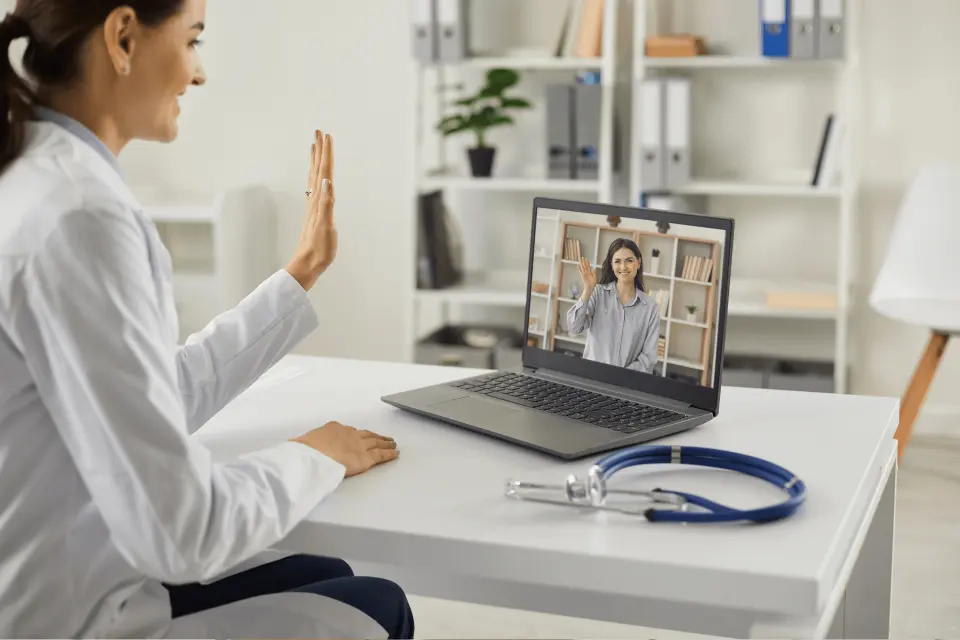
What Is Telehealth?
Telehealth broadly refers to the use of electronic information and telecommunication technologies to support long-distance clinical healthcare, patient and professional health-related education, public health, and health administration. It includes a wide range of services such as video consultations, remote monitoring, mobile health apps, and even non-clinical services like provider training.
Telehealth is often the umbrella term under which virtual care falls. It encompasses both clinical and non-clinical services delivered remotely, allowing patients to access healthcare without physically visiting a medical facility. This is particularly valuable for people in rural areas, those with mobility challenges, or anyone seeking to avoid crowded waiting rooms. Moreover, telehealth can significantly reduce the burden on healthcare systems by streamlining processes and allowing for better resource allocation. For instance, hospitals can focus on critical cases while routine follow-ups and consultations are managed remotely, enhancing overall efficiency.
What Is Virtual Care?
Virtual care is a subset of telehealth that specifically focuses on clinical services provided remotely through digital platforms. It involves real-time interactions between patients and healthcare providers using video calls, phone calls, or secure messaging. Virtual care aims to replicate the experience of an in-person visit, enabling diagnosis, treatment, follow-ups, and management of chronic conditions without requiring a physical appointment.
Unlike the broader telehealth concept, virtual care is primarily concerned with direct patient care and medical decision-making. It is designed to deliver timely, personalized, and effective treatment while reducing barriers such as travel time and scheduling conflicts. Additionally, virtual care has been instrumental in addressing the challenges posed by the COVID-19 pandemic, allowing patients to receive necessary medical attention while minimizing the risk of virus transmission. The rapid adoption of virtual care technologies has also led to innovations in patient engagement, with many platforms now offering features like symptom checkers and health tracking tools, empowering patients to take a more active role in their healthcare journey.
How Telehealth and Virtual Care Impact Patient Experience
Convenience and Accessibility
Both telehealth and virtual care significantly improve healthcare accessibility. Patients can consult with healthcare professionals from the comfort of their homes, at any time of day. This is especially important for those with busy schedules, limited transportation options, or living in underserved areas.
Doctronic.ai exemplifies this convenience by offering 24/7 telehealth video visits with licensed doctors across all 50 states. For less than $40, users can receive expert medical advice and treatment recommendations without the hassle of traditional appointments.
Speed and Efficiency
One of the greatest advantages of virtual care is the speed at which patients can receive medical attention. With AI-powered platforms such as Doctronic, users can get comprehensive answers to health questions in seconds. This rapid response is made possible by synthesizing the latest peer-reviewed medical research and personalized patient data.
Telehealth platforms, on the other hand, may include asynchronous communication methods such as sending messages or uploading health data, which can take longer but still offer flexibility. Both approaches reduce wait times compared to in-person visits, accelerating diagnosis and treatment.
Personalization and Continuity of Care

Virtual care platforms are increasingly incorporating AI and data analytics to provide more personalized healthcare experiences. Doctronic’s AI doctor, for instance, remembers every patient’s name and medical history, offering tailored recommendations based on up-to-date medical knowledge. This level of personalization is difficult to achieve in traditional care settings, where doctors often have limited time per patient.
Telehealth services may also include remote patient monitoring tools that track vital signs and symptoms over time, enabling continuous care and early intervention. Together, these technologies foster stronger patient-provider relationships and improved health outcomes.
Examples of Telehealth and Virtual Care Services
Telehealth Services
Telehealth encompasses a broad spectrum of healthcare activities beyond direct patient care. Examples include:
Remote patient monitoring using wearable devices
Health education webinars and training for providers
Electronic health record sharing and telepharmacy
Non-urgent health advice via chatbots or apps
These services enhance healthcare infrastructure and support public health initiatives, often without direct patient-provider interaction.
Virtual Care Services
Virtual care focuses on clinical interactions and includes:
Live video consultations with doctors and specialists
AI-driven symptom checkers and diagnosis tools
Prescription management and follow-up care
Behavioral health counseling and therapy sessions
Doctronic.ai is a prime example of virtual care, combining AI technology with licensed medical professionals to provide fast, affordable, and personalized primary care services online.
When to Use Telehealth vs Virtual Care
Knowing the difference between telehealth and virtual care is useful, but the more practical question is: which one do you actually need right now?
Use virtual care when you need a clinical decision. If you have a symptom that needs diagnosing, a condition that needs treatment, or a prescription that needs to be written or renewed, virtual care is the right fit. This includes things like a suspected UTI, a skin rash, a mental health concern, or a follow-up on a chronic condition like high blood pressure or diabetes. Virtual care platforms connect you directly with a licensed provider — or, in the case of Doctronic, an AI doctor trained on peer-reviewed medical research — so you get a real clinical response, not generic advice.
Use broader telehealth services when care goes beyond a single visit. Remote patient monitoring is a good example: if you have a heart condition and your provider is tracking your heart rate and rhythm through a wearable device, that's telehealth. So is receiving a text reminder to take your medication, attending a virtual diabetes education class, or using a secure portal to share lab results with your care team between appointments. These services support your health without requiring a real-time conversation with a provider.
Not sure which applies to your situation? Start with your symptoms. If something feels off and you want a medical opinion, that's virtual care territory. Our AI doctor at Doctronic can assess your symptoms, provide clinically grounded guidance, and connect you to a licensed provider for a video visit if needed — all in one place.
A few examples to make this concrete:
Ear infection: You want a diagnosis and possibly a prescription. That's virtual care — a video or AI visit is appropriate.
Post-surgery recovery monitoring: Your surgeon's team is tracking your wound healing via uploaded photos and secure messaging. That's telehealth.
Anxiety management: A live therapy session over video is virtual care. A mental health app that logs your mood daily and shares data with your therapist is telehealth.
Annual wellness check-in: Some platforms offer remote health coaching and screening questionnaires. That falls under the telehealth umbrella.
The bottom line: if you need a provider to make a clinical decision, look for virtual care. If you need technology to support or monitor your health between visits, you're looking for telehealth tools. Many modern platforms — including Doctronic — offer both.
Why Choosing the Right Platform Matters
With so many telehealth and virtual care options available, selecting a reliable and effective service is crucial. Patients should look for platforms that offer evidence-based medical guidance, licensed healthcare providers, and user-friendly interfaces.
Doctronic stands out by combining AI-powered clinical knowledge with licensed medical professionals, delivering care that is faster, smarter, and more personal. Unlike generic symptom checkers, Doctronic’s AI doctor uses comprehensive peer-reviewed research to provide accurate diagnoses and treatment recommendations. Plus, its ability to remember patient history ensures continuity and trust over time.
Choosing Doctronic not only improves access to care but also empowers patients to take control of their health with confidence and convenience.
See a doctor online today
A licensed doctor can review your symptoms online, talk through next steps, and send a prescription to your pharmacy if appropriate.
- $39 video visit
- Insurance accepted
- 4.8 on Trustpilot
The Future of Telehealth and Virtual Care
The healthcare industry is poised for continued transformation as telehealth and virtual care technologies advance. Artificial intelligence, machine learning, and improved connectivity will enable even more personalized and proactive care models.
Doctronic.ai is leading this evolution by offering AI-powered primary care that is accessible anytime, anywhere. As these platforms grow, they will play a vital role in addressing healthcare disparities, reducing costs, and enhancing patient satisfaction.
Patients can expect a future where healthcare is seamlessly integrated into daily life, with virtual care and telehealth providing the foundation for healthier communities worldwide.
Embracing Digital Healthcare Today
Understanding the difference between telehealth and virtual care helps patients make informed decisions about their healthcare options. Whether seeking quick advice, ongoing management of chronic conditions, or convenient access to medical professionals, digital health platforms offer unprecedented benefits.
For those looking to experience the best of virtual care, Doctronic.ai provides an innovative solution that combines AI precision with human empathy. With millions of users already benefiting from its services, Doctronic is setting a new standard for accessible, affordable, and personalized healthcare.
Embracing these technologies today can lead to better health outcomes and a more empowered patient experience tomorrow.
Experience the Future of Healthcare with Doctronic
Why wait for healthcare when you can have it now? Doctronic, the #1 AI Doctor, is revolutionizing the way we think about medical care. With the power of AI, you can receive free, instant doctor visits and personalized care that remembers every detail about you. Our telehealth video visits provide unparalleled convenience and accessibility, ensuring you have access to quality care whenever you need it, wherever you are in all 50 states. Join over 10 million people who have experienced the smarter, faster, and more personal healthcare solution. Skip the line. Talk to an AI Doctor Now, for free.
Frequently Asked Questions
No — telehealth is the broader category. It includes any use of technology to support healthcare delivery, including non-clinical services like provider training, health education, and remote monitoring. Virtual care is a subset of telehealth that focuses specifically on real-time clinical interactions between patients and providers, such as video visits or AI-assisted symptom assessment.
Virtual care can address a wide range of common conditions, including respiratory infections, UTIs, skin conditions, allergies, mental health concerns, and chronic disease management like hypertension or diabetes. It works best for conditions that don't require a physical exam or in-person procedure. For anything that may need lab work, imaging, or hands-on assessment, our AI doctor will let you know when an in-person visit is the right next step.
Coverage varies by plan, but most major insurers — including Medicare and Medicaid — now cover some form of telehealth or virtual care services. Expansion of coverage accelerated significantly after 2020. It's worth checking your specific plan for details, since some plans cover video visits but not AI-assisted consultations, and cost-sharing rules differ.
Doctronic combines an AI doctor trained on peer-reviewed medical research with licensed provider video visits, offering both instant AI-powered assessments and live telehealth consultations in one platform. Unlike standard telehealth apps that only connect you with a provider on demand, Doctronic's AI remembers your medical history and provides personalized guidance 24/7. Video visits with licensed doctors are available across all 50 states for under $40.
For many common and routine health needs, yes — telehealth and virtual care can effectively replace an in-person visit. Studies show that a significant share of primary care visits can be handled remotely. That said, some situations always require in-person care, such as physical injuries, diagnostic procedures, or when a provider needs to perform a hands-on examination. Our AI doctor can help you determine which path is right for your specific situation.
The Bottom Line
Virtual care offers immediate access to licensed physicians at a fraction of traditional healthcare costs, with AI enhancement improving diagnostic accuracy and speed. This technology particularly benefits those in underserved areas or with mobility limitations who need quick medical attention. If you're experiencing symptoms or have health questions, Doctronic can connect you with expert virtual care guidance.
References
Related articles

Controlled Pain Medications Telehealth Laws by State: What's Legal Where
Hormone Replacement Therapy Telehealth Laws by State: What's Legal Where

Online Dermatologist Visits: What to Expect and When They Make Sense


How To Refill A Prescription Without Seeing A Doctor: 5 Legal Methods
Find the right care
Chat Now