
What Is Minoxidil? A Comprehensive Guide to Hair Loss Treatment and Blood Pressure Management

Medically reviewed by Alan Lucks | MD, Alan Lucks MDPC Private Practice - New York on January 21st, 2026.
Published on February 5th, 2026. Updated on July 23rd, 2026.
Key takeaways
Minoxidil is a versatile medication used for treating hair loss and high blood pressure
Available in oral tablet, topical solution, foam, and spray forms
Requires 2-4 months to see initial hair growth results
Generally safe with manageable side effects when used as directed
Hair loss and hypertension are two health concerns that affect millions of people worldwide. Minoxidil, a medication with a fascinating medical history, offers potential solutions for both conditions. Originally developed as a blood pressure medication, minoxidil has since become a popular treatment for hair restoration and other medical applications.
Understanding Minoxidil: Origins and Uses
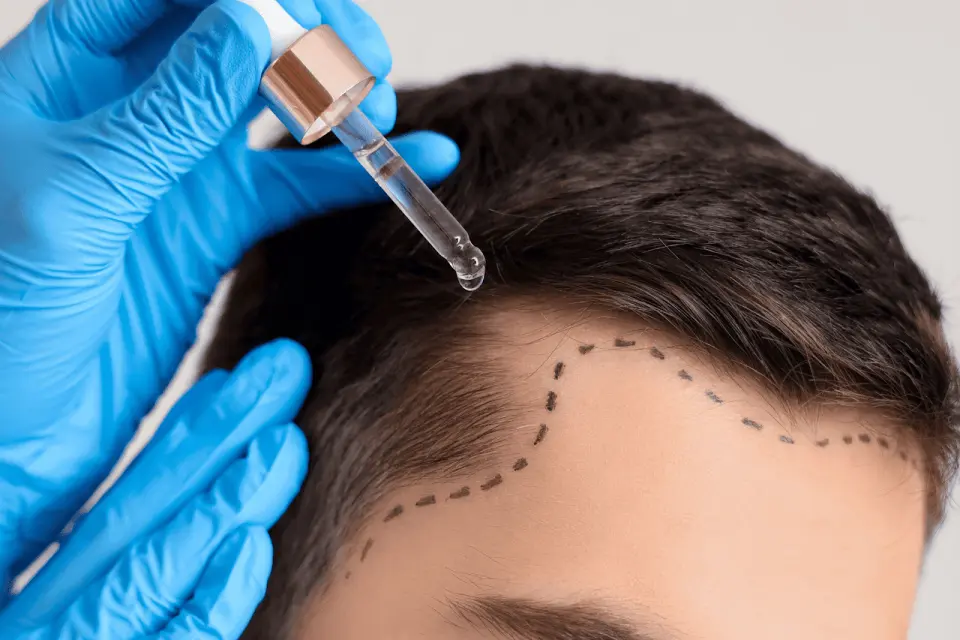
Minoxidil was first introduced as an oral medication for treating severe hypertension. Physicians quickly discovered its unique side effect of hair growth, which led to its development as a topical treatment for androgenic alopecia. Today, it is sold under brand names like Rogaine and is available in multiple formulations.
How Minoxidil Works for Hair Growth
The exact mechanism of minoxidil's hair growth promotion remains partially mysterious. Scientists believe it works by widening blood vessels and improving nutrient delivery to hair follicles. By opening potassium channels and potentially acting as a nitric oxide agonist, minoxidil may stimulate hair follicles and extend their growth phase.
Minoxidil Formulations and Dosages
Minoxidil comes in several forms to suit different patient needs:
Form |
Concentration |
Common Use |
|---|---|---|
Oral Tablets |
2.5 mg, 10 mg |
Hypertension |
Topical Solution |
2%, 5% |
Hair Loss |
Topical Foam |
5% |
Hair Loss |
Topical Spray |
5% |
Hair Loss |
Potential Side Effects and Considerations
While generally safe, minoxidil can cause side effects. Topical applications might result in scalp irritation, itching, or unexpected interactions with other medications. Oral minoxidil may cause more significant side effects like rapid heartbeat, dizziness, or swelling.
Treatment Expectations and Timeline
Patients should understand that drugs like minoxidil require patience. Initial hair growth results typically appear after 2-4 months, with maximum effectiveness reached around 12 months of consistent use.
Frequently Asked Questions
Most users see initial results between 2-4 months, with optimal results at 12 months.
Yes, minoxidil is effective for both men and women experiencing hair loss.
Topical minoxidil is available over-the-counter, while oral forms require a prescription.
Most side effects are mild, but long-term use should be monitored by a healthcare professional.
Discontinuing use may cause hair regrowth to reverse, so consistent application is recommended.
The Bottom Line
Minoxidil offers a promising solution for those struggling with hair loss or specific blood pressure challenges. Ready to meet your AI doctor? Get started with Doctronic today.
Related articles
Omeprazole Side Effects Timeline: Week by Week Guide
Metoprolol Side Effects Timeline: Week by Week Guide
Lupus Vs MS: Key Differences in Symptoms, Diagnosis, and Treatment
Hantavirus Symptoms: Signs, Stages, and When to Seek Care
Should I Be Worried About Hantavirus? A Realistic Look at the Risk
IBS Flare Ups: What Triggers Symptoms and How to Take Control

Stages of Depression: How It Progresses and When to Seek Help

Poison Ivy Rash: Identification, Treatment, and When to See a Doctor

What Triggers Eczema? Common Flare-Ups Including Sun and Seasonal Changes

Melasma vs. Hyperpigmentation: Key Differences and Treatment Approaches

Ocular Rosacea: When Sun-Triggered Rosacea Affects Your Eyes
Explore treatment options
Chat Now