Healthy Living
What UV Index Do You Need to Tan? The Science Behind Safe Sun Exposure
April 17, 2026
7 min read

Medically reviewed by Lauren Okafor | MD, The Frank H Netter MD School of Medicine, Loyola University Medical Center on March 15th, 2026.
Published on February 4th, 2026. Updated on July 23rd, 2026.
Stress pimples are typically small, red or pink, and scattered across the face rather than clustered.
Stress acne most often appears on the forehead, cheeks, nose, and T-zone due to increased oil production.
On deeper skin tones, stress pimples may look purple or dark and can leave lasting dark spots after healing.
Stress acne differs from hormonal acne by location and size: hormonal breakouts tend to be deeper and along the jawline.
Managing stress levels alongside a simple, non-comedogenic skincare routine is the most effective approach to clearing stress acne.
Stress acne looks like small, red or pink pimples that scatter across your face rather than clustering in one spot. They often pop up on your forehead, cheeks, and T-zone, and they tend to feel more superficial than the deep, painful cysts you might get from hormonal changes. Knowing what to look for makes it easier to treat the right way.
When stress levels rise, your body releases cortisol and other hormones that stimulate oil production. This increased sebum can clog pores causing acne, creating an environment where bacteria thrive. The inflammatory response becomes more pronounced, leading to those telltale stress-related breakouts.
Stress acne typically presents as small, red, or pink pimples scattered across the face. Unlike traditional hormonal acne that concentrates around the chin and jawline, stress-induced breakouts can appear more randomly. These blemishes often feel more superficial and tend to be less painful compared to deep cystic acne.
Stress-related breakouts frequently show up in specific areas:
Characteristic |
Stress Acne |
Hormonal Acne |
|---|---|---|
Location |
Widespread |
Chin/Jawline |
Size |
Smaller pimples |
Larger, deeper cysts |
Trigger |
Emotional stress |
Hormonal fluctuations |
Duration |
Short-term |
Cyclical |
Stress pimples can look a little different depending on your skin tone, and knowing what to watch for on your own skin makes it easier to catch them early.
On lighter skin tones, stress pimples typically appear as small, clearly red or pink bumps. They may have a white or yellow tip if they develop a head, and the skin around them often looks flushed or irritated.
On medium to olive skin tones, the redness may be less obvious. Instead, you might notice:
On deeper skin tones, the pimple itself may appear as a dark or purplish bump rather than red. Inflammation can be harder to see, but it is still there. One thing to watch closely on deeper skin tones is post-inflammatory hyperpigmentation (dark spots left behind after a pimple heals), which can linger longer than the breakout itself.
Regardless of skin tone, stress pimples tend to share a few common traits:
One thing stress pimples are often confused with is hormonal acne. Hormonal breakouts tend to cluster around the chin and jawline and show up as deeper, more painful cysts. Stress pimples spread more broadly and feel closer to the skin's surface. If your breakouts are deep, painful, and appear on a predictable cycle, hormonal acne may be the more likely cause.
If you are unsure what type of acne you are dealing with, a doctor can help sort it out quickly. Getting the right diagnosis matters because the treatments are different.
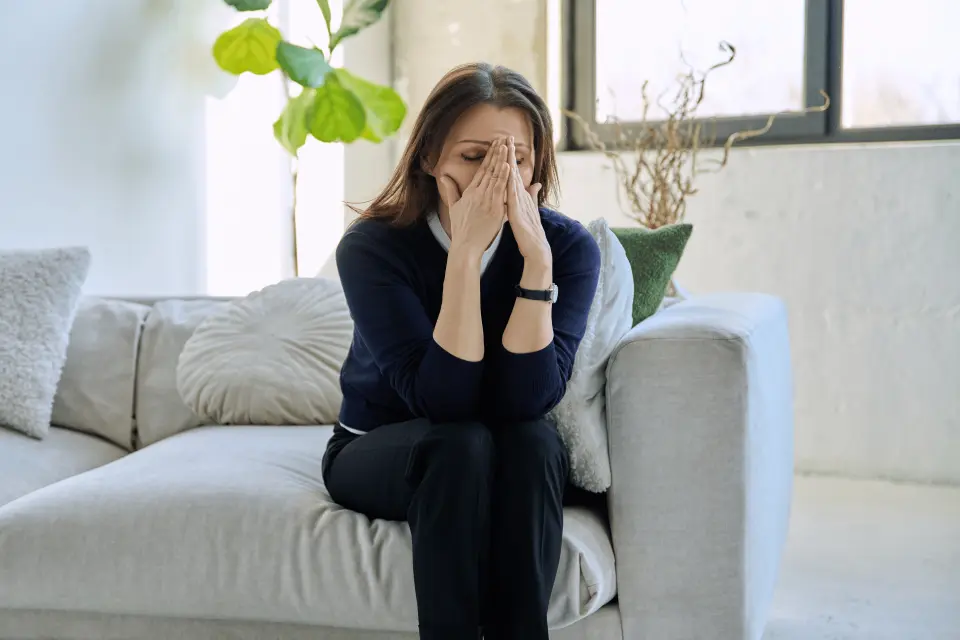
Managing stress acne often requires addressing both skin care and stress levels. Stress can increase cortisol, a hormone that stimulates oil production and inflammation in the skin, which may trigger or worsen breakouts.
Helpful strategies include:
A basic skincare routine for acne-prone skin typically includes:
Avoiding harsh scrubbing or overly aggressive products is important, as these can increase irritation and worsen inflammation.
If stress acne persists, worsens, or causes scarring, it may be time to consult a healthcare professional or dermatologist.
Medical evaluation may help:
Professional treatments may include prescription topical medications, oral treatments, or advanced dermatologic therapies, depending on the severity of symptoms.
Early intervention can help reduce inflammation, prevent scarring, and improve overall skin health.
Stress-induced breakouts can appear within a few days of a stressful event. Cortisol (a stress hormone) ramps up oil production quickly, so your skin can react faster than you might expect. Chronic stress tends to cause more persistent or recurring breakouts.
Yes, individuals with existing acne or sensitive skin are more likely to experience stress-related breakouts.
Certain foods can exacerbate inflammation and potentially worsen stress-related skin conditions.
Most stress acne is temporary and resolves with stress management and proper skincare.
Yes. Topical treatments like benzoyl peroxide and salicylic acid are common first steps. For more stubborn cases, a doctor may recommend prescription topical retinoids or oral medications. Getting an evaluation helps make sure you're using the right treatment for your specific type of acne.
Stress acne is real, and it tends to show up fast. The good news is that most stress-related breakouts are short-lived and respond well to a steady skincare routine and a bit of attention to what's going on in your life. Keeping things simple, staying consistent with gentle products, and finding ways to lower your stress load are the most reliable paths to clearer skin. If breakouts keep coming back or start to scar, a doctor can help you find a stronger plan. This article is informational and is not a medical diagnosis. Confirm with a licensed clinician, especially for new, worsening, or high-risk symptoms.
Get skin care advice
Chat Now
Join 50,000+ readers using Doctronic to understand symptoms, medications,
and next steps.
Add your phone number below to get health updates and exclusive VIP offers.
By providing your phone number, you agree to receive SMS updates from Company. Message and data rates may apply. Reply “STOP” to opt-out anytime. Read our Privacy Policy and Terms of Service for more details.
Save your consults. Talk with licensed doctors and manage your health history.