
What Causes Skin Tags? Risk Factors and Prevention Tips

Medically reviewed by Veronica Hackethal | MD, MSc, Harvard University | University of Oxford | Columbia Vagelos College of Physicians and Surgeons on May 25th, 2026.
Published on April 17th, 2026. Updated on September 11th, 2026.
Key takeaways
Skin friction in areas where skin rubs together contributes to skin tag development, but is not the primary trigger; metabolic and genetic factors also play a major role
Insulin resistance, type 2 diabetes, and obesity significantly increase the likelihood of developing acrochordons
Hormonal changes during pregnancy can cause temporary increases in skin tag formation
Genetic factors play a major role, with family history being a strong predictor
Prevention focuses on weight management, reducing friction, and maintaining good skincare habits
Most skin tags are harmless, but changes in appearance warrant professional evaluation. For quick guidance, visit Doctronic.ai
What You Need to Know About Skin Tags
Those small, soft growths dangling from the skin catch many people off guard. Skin tags, medically known as acrochordons, are among the most common benign skin conditions affecting adults. Research indicates that approximately 25% to 60% of adults develop skin tags at some point in their lives. Understanding what causes skin tags, the risk factors involved, and prevention tips can help people manage their skin health more effectively. These fleshy bumps typically appear in middle age and rarely cause medical problems, but they can be cosmetically bothersome. Doctronic.ai provides accessible resources for anyone wanting to learn more about skin conditions and when professional care might be necessary.
Understanding Skin Tags and Why They Develop
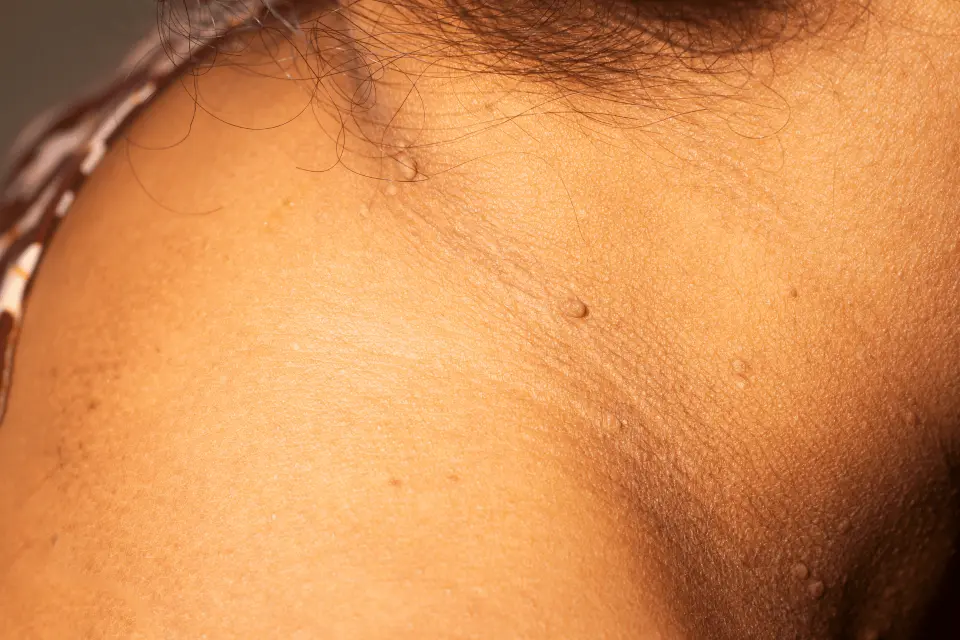
Skin tags form when clusters of collagen and blood vessels become trapped inside thicker pieces of skin. They typically appear as small, flesh-colored or slightly darker growths that hang off the skin by a thin stalk called a peduncle. Most measure between 2 and 5 millimeters, though some can grow larger than a centimeter.
The Role of Friction and Skin Folds
Friction is a contributing mechanical factor, not the sole cause, of skin tag formation. When skin constantly rubs against itself or against clothing, the irritation may stimulate localized cell growth in susceptible individuals. This explains why skin tags rarely appear on areas with taut, smooth skin. Tight collars, underwear elastic bands, and bra straps create persistent rubbing that can lead to growths in those areas. People who exercise frequently may notice tags developing in spots where workout clothing creates friction.
Common Locations for Acrochordons
Skin tags tend to occur in specific body regions where skin-to-skin contact is frequent. The neck is one of the most common sites, particularly along the sides and back, where necklaces and collars rub. The armpits provide a warm, moist environment that promotes tag development. Under the breasts, in the groin folds, and on the eyelids are other frequent locations. The inner thighs often develop tags in people whose legs touch when walking.
Metabolic and Hormonal Risk Factors
The body's internal chemistry plays a significant role in skin tag development. Metabolic conditions that affect insulin levels and hormonal balance create an environment in which acrochordons thrive.
Insulin Resistance and Type 2 Diabetes
Multiple skin tags often signal underlying metabolic issues. Studies consistently link insulin resistance and type 2 diabetes with increased skin tag occurrence. High insulin levels appear to stimulate skin cell growth and collagen production. Some dermatologists consider numerous skin tags a potential early warning sign that blood sugar regulation needs to be evaluated. People with diabetes may notice tags appearing more frequently than those with normal glucose metabolism.
Pregnancy and Hormonal Fluctuations
Pregnancy triggers a surge in hormones that can cause skin tags to appear suddenly. Estrogen and progesterone fluctuations affect skin cell turnover and collagen production. Many pregnant women notice new growths during their second and third trimesters. These pregnancy-related tags often persist after delivery but may become less noticeable as hormone levels normalize. The combination of weight gain and hormonal changes during pregnancy creates ideal conditions for tag formation.
Obesity and Body Mass Index (BMI)
Carrying excess weight dramatically increases the risk of skin tags through multiple mechanisms. More body fat means more skin folds and creases where friction occurs. Obesity also correlates with insulin resistance, compounding the metabolic risk factors. Studies show that people with higher BMIs develop skin tags more frequently and in greater numbers. Weight loss often reduces the development of new tags, though existing ones typically remain.
Genetic Predisposition and Aging
Some people seem destined to develop skin tags regardless of other factors. Family history and the natural aging process both contribute significantly to acrochordon formation.
Family History and Heredity
Genetics strongly influence skin tag susceptibility. People whose parents or siblings have multiple skin tags are at higher risk of developing them. Certain genetic markers appear to affect how skin responds to friction and hormonal changes. Some families see skin tags appearing across multiple generations, suggesting hereditary patterns. While genes cannot be changed, knowing family history helps people anticipate and monitor their skin health.
Age-Related Skin Elasticity Changes
Skin tags become more common with each passing decade. As skin ages, it loses elasticity and becomes more prone to forming excess tissue. The collagen structure changes over time, making the skin more susceptible to the effects of friction. It is estimated that between one-quarter and over half of adults will develop at least one skin tag in their lifetime, with most appearing after age 40. The combination of decades of friction exposure and declining skin quality creates ideal conditions for tag development.
Effective Prevention Strategies
While not all skin tags can be prevented, certain lifestyle modifications can reduce the likelihood of new growths.
Weight Management and Diet
Maintaining a healthy weight addresses multiple risk factors simultaneously. Fewer skin folds mean less friction, and better metabolic health reduces insulin-related triggers. A balanced diet rich in vegetables, lean proteins, and whole grains supports stable blood sugar levels. Regular physical activity improves insulin sensitivity and helps maintain a healthy weight. Doctronic.ai offers guidance on lifestyle factors that affect various health conditions, including skin issues.
Reducing Physical Friction and Chafing
Strategic clothing choices minimize rubbing that can trigger skin tags. Loose-fitting garments made from breathable fabrics reduce irritation in problem areas. Moisture-wicking materials help keep skin dry, reducing friction in areas prone to sweating. Anti-chafing products like powders or balms create protective barriers between skin surfaces. People prone to tags should avoid tight jewelry, especially necklaces and watches with rough edges.
Skincare and Hygiene Practices
Keeping skin clean and well-moisturized supports overall skin health. Regular gentle cleansing removes debris that could contribute to irritation. Moisturizers help maintain skin elasticity, potentially reducing the risk of tag formation. Avoiding harsh soaps that strip natural oils protects the skin barrier. Doctronic can help people develop personalized skincare approaches based on their specific concerns.
When to Consult a Dermatologist
Most skin tags require no medical treatment. They pose no health risk, and many people simply live with them. Removal becomes an option when tags cause discomfort, catch on clothing or jewelry, or create cosmetic concerns.
Seek professional evaluation if a skin tag changes color, bleeds, grows rapidly, or becomes painful. These changes could indicate a different type of growth requiring diagnosis. Dermatologists can safely remove problematic tags through freezing, cutting, or burning techniques. Home removal attempts carry real risks of infection, scarring, and discoloration, which often outweigh any cosmetic benefit. For a closer look at at-home options and why professional removal is preferred, see our guide to removing skin tags overnight.
Frequently Asked Questions
Skin tags are not contagious and cannot spread from person to person through contact. They are not caused by viruses or bacteria, so touching someone else's skin tag poses no risk.
Skin tags are benign growths and do not become cancerous. Any growth that changes significantly in appearance should be evaluated by a dermatologist to confirm it is actually a skin tag.
Properly removed skin tags do not grow back in the exact same spot. New tags may develop in the same general area if the underlying causes, like friction or metabolic factors, remain present.
Home removal is not recommended due to risks of infection, excessive bleeding, and scarring. Professional removal by a dermatologist ensures proper technique and reduces the risk of complications.
A sudden increase in skin tags may signal hormonal changes, weight gain, or the development of insulin resistance. Consulting a healthcare provider can help identify any underlying conditions.
The Bottom Line
Skin tags result from friction, metabolic factors, genetics, and aging, but most are harmless and manageable through lifestyle modifications. For personalized guidance on skin concerns or any health questions, visit Doctronic.ai for free AI doctor consultations or affordable telehealth visits with licensed physicians available 24/7.
Related articles
Get advice about skin tags
Chat Now