Mental Health
How to Calm an Anxiety Attack: Techniques That Work in the Moment
April 17, 2026
6 min read

Medically reviewed by Alan Lucks | MD, Alan Lucks MDPC Private Practice - New York on May 22nd, 2026.
Published on March 30th, 2026. Updated on July 23rd, 2026.
Skin tags cannot be safely removed overnight; any method promising instant results carries serious risks of scarring, infection, or incomplete removal
Professional treatments like cryotherapy, ligation, and electrocautery offer long-lasting results with minimal complications when performed correctly
Home remedies such as tea tree oil and apple cider vinegar lack scientific evidence and may cause skin irritation or scarring
Attempting self-removal with scissors or nail clippers can lead to bleeding, infection, and permanent skin damage
Sensitive areas like eyelids and groin require professional medical attention rather than self-treatment
Unsure if that growth is actually a skin tag? Doctronic.ai provides 24/7 AI-powered consultations to help determine whether it needs professional evaluation
The internet is full of claims about how to remove skin tags in one night. Search any social media platform, and you will find countless videos showing people allegedly removing these growths in hours using everything from dental floss to household chemicals. The reality is far less exciting but much safer.
Skin tags are benign growths composed primarily of collagen fibers and blood vessels covered by skin, and they do not respond to quick fixes. Understanding what actually works requires separating marketing hype from medical science.
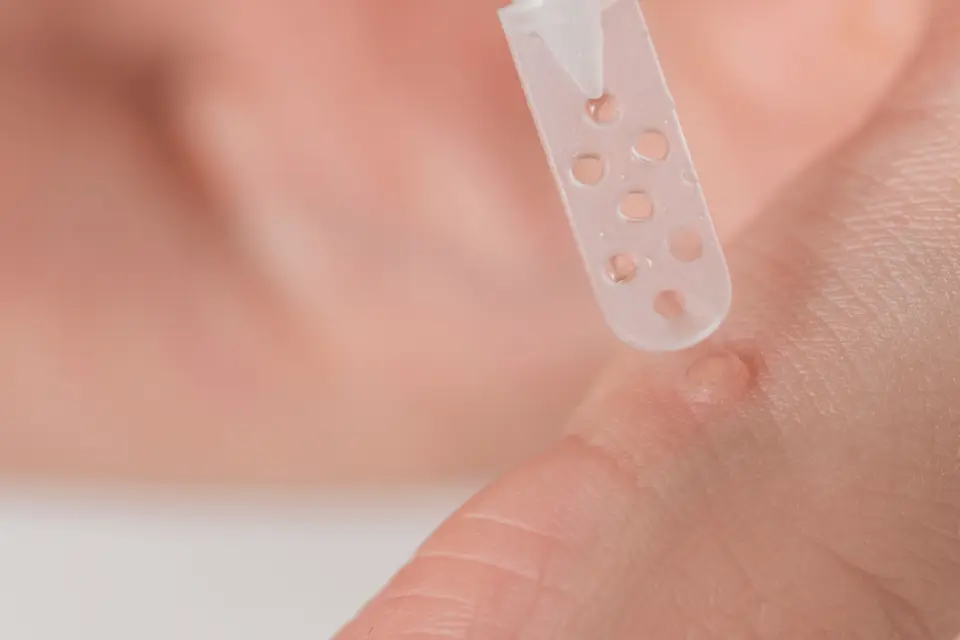
Skin tags are living tissue attached to the body through a stalk called a peduncle. This connection includes blood vessels and sometimes nerve endings, which means the tissue needs time to die and separate safely. Even professional removal methods do not produce instant results. Cryotherapy requires the frozen tissue to naturally slough off over one to two weeks. Ligation bands cut off the blood supply gradually, with the tag falling off in seven to ten days. The biological process simply cannot be rushed without creating complications.
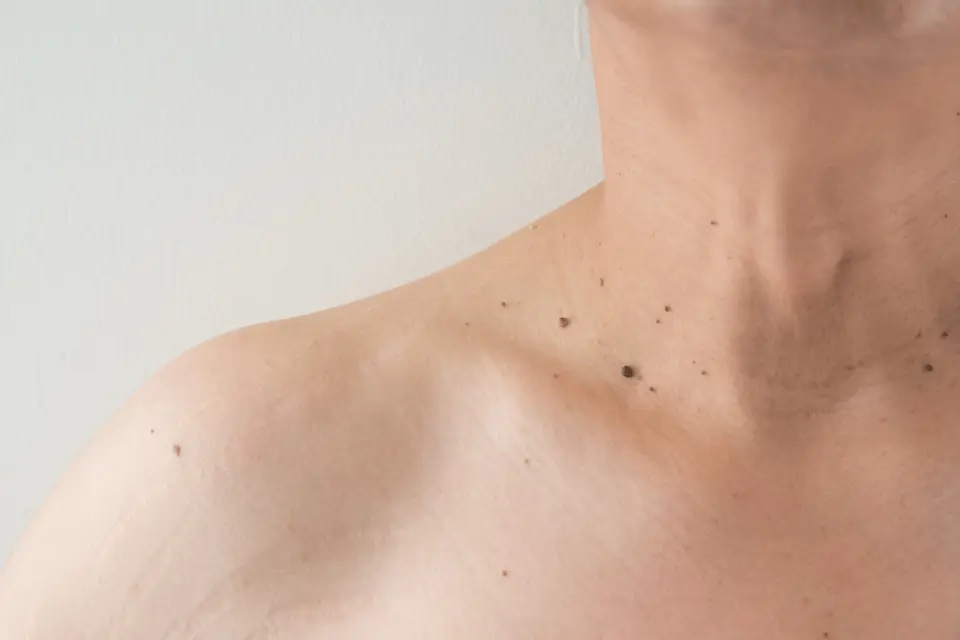
Before attempting any removal method, proper identification is essential. Skin tags are soft, flesh-colored growths that hang from the skin by a thin stalk. Warts are rough, raised bumps caused by HPV and require different treatment approaches. Moles are flat or raised spots that can sometimes indicate skin cancer. Misidentifying a mole as a skin tag and attempting home removal could delay cancer diagnosis.
Doctronic.ai offers free AI consultations to help identify whether a growth is actually a skin tag or something requiring immediate medical attention.
Dermatologists commonly use liquid nitrogen to freeze skin tags, destroying the tissue at extremely cold temperatures. The procedure takes seconds and causes minimal discomfort. After treatment, the area may blister and scab before the tag falls off naturally within two weeks. Cryotherapy works best for smaller skin tags and rarely leaves scarring when performed by a trained professional.
Ligation involves cutting off the blood supply to the skin tag using a small band or specialized device. Medical-grade ligation bands are placed at the base of the tag's stalk, causing the tissue to die and fall off within days. Some over-the-counter products use this principle, though professional application ensures proper placement. The method works particularly well for larger skin tags with defined stalks.
Electrocautery uses electrical current to burn through the skin tag's base while simultaneously cauterizing blood vessels. This prevents bleeding and allows immediate removal. Surgical snipping involves using sterile scissors or a scalpel to cut the tag off at its base. Both procedures require local anesthesia and are performed in clinical settings. If you are considering a dermatology consultation for skin tag removal, these are the most common options your provider will discuss.
Tea tree oil and apple cider vinegar are among the most frequently recommended natural remedies for skin tags. Proponents claim these substances dry out the tissue, causing it to fall off. The scientific evidence for these claims is essentially nonexistent. No peer-reviewed studies demonstrate that either substance effectively removes skin tags. Some people report success after weeks of daily application, but this could simply be coincidental timing with natural skin tag changes.
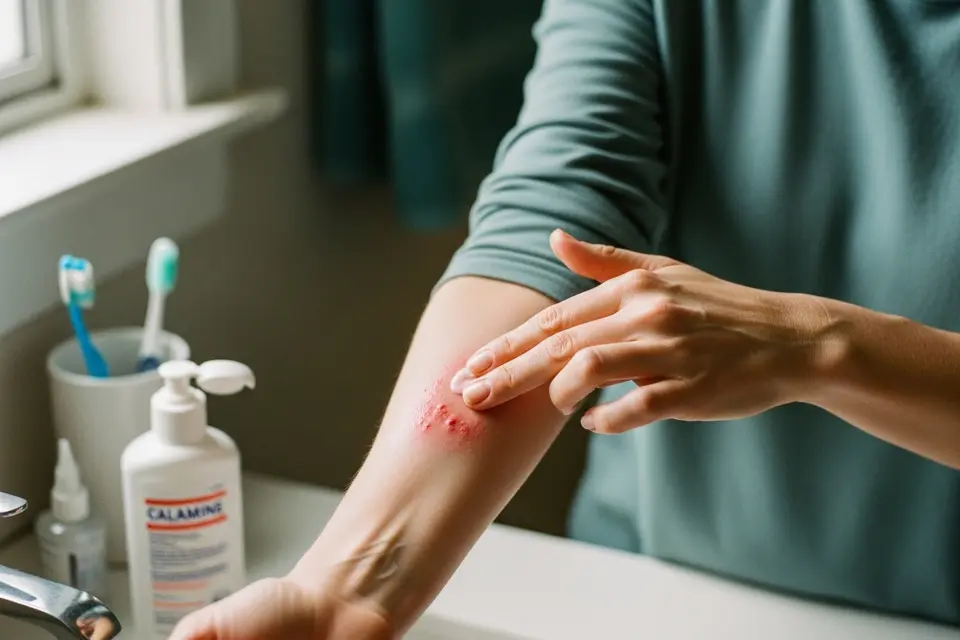
Products containing salicylic acid are designed for wart removal, not skin tags. Using these products on skin tags often causes irritation without addressing the underlying tissue. The acid can damage surrounding healthy skin while failing to penetrate the skin tag's structure effectively.
Cutting off skin tags with scissors, nail clippers, or dental floss at home is dangerous. These tools are not sterile, and improper technique can cause excessive bleeding, infection, or incomplete removal that leads to regrowth. The skin around the tag can also be damaged, resulting in permanent scarring. Nerve damage is possible if the cut goes too deep.
Any skin tag removal attempt can lead to complications. Signs of infection include increasing redness, warmth, swelling, pus discharge, or fever. Irritation may present as persistent itching, burning, or pain that worsens over time. If a skin tag changes color, bleeds spontaneously, or grows rapidly, medical evaluation is necessary. These changes could indicate that the growth is not actually a skin tag.
Skin tags commonly appear on eyelids, underarms, and groin areas where skin folds create friction. These locations are particularly risky for home removal attempts. Eyelid skin is thin and delicate, and any damage could affect vision or cause permanent scarring. Only qualified medical professionals should remove skin tags in these areas, regardless of how small the growths appear.
Proper aftercare determines whether skin tag removal leaves a scar. Keep the treated area clean and dry for the first 24 to 48 hours. Apply antibiotic ointment as directed to prevent infection. Avoid picking at scabs, which can cause scarring and delay healing. Protect the area from sun exposure for several weeks, as new skin is particularly vulnerable to UV damage and hyperpigmentation. Most professional removal sites heal completely within one to three weeks with proper care.
Skin tags removed by professional methods do not regrow in the exact same spot. New skin tags can develop in nearby areas due to ongoing friction or genetic predisposition, but these are new growths rather than regrowth of the original tag.
Multiple skin tags can be associated with insulin resistance, type 2 diabetes, or hormonal changes. A sudden increase in skin tag development may warrant blood sugar testing. Most skin tags are simply a result of aging, genetics, or skin friction and carry no health significance.
Professional removal typically costs between $75 and $500 depending on the number of tags, location, and method used. Insurance rarely covers removal unless the tag causes medical problems. Many dermatologists offer package pricing for multiple tags removed in one visit.
Tying off skin tags with string or dental floss carries significant risks including infection, incomplete removal, and scarring. Medical-grade ligation devices are designed for precise placement that home methods cannot replicate. Professional evaluation is always recommended.
Overnight skin tag removal is a myth that leads people toward risky home treatments. Safe, long-lasting removal requires either professional medical procedures or patience with properly applied ligation methods. For guidance on whether a skin growth needs evaluation, visit Doctronic.ai for 24/7 AI-powered consultations that help you make informed decisions about your skin health.
Get skin care advice
Chat Now
Join 50,000+ readers using Doctronic to understand symptoms, medications,
and next steps.
Add your phone number below to get health updates and exclusive VIP offers.
By providing your phone number, you agree to receive SMS updates from Company. Message and data rates may apply. Reply “STOP” to opt-out anytime. Read our Privacy Policy and Terms of Service for more details.
Save your consults. Talk with licensed doctors and manage your health history.