
Diseases and Conditions
Best Acne Face Wash: A Comprehensive Guide to Clear Skin
January 21, 2026
2 min read

Medically reviewed by Alan Lucks | MD, Alan Lucks MDPC Private Practice - New York on May 23rd, 2026.
Published on April 13th, 2026. Updated on July 24th, 2026.
UV exposure worsens acne by triggering inflammation and increasing post-inflammatory hyperpigmentation, making sun protection essential for breakout-prone skin
Acne treatments like retinoids, AHAs, and benzoyl peroxide increase photosensitivity, requiring consistent daily SPF use
Non-comedogenic, oil-free sunscreens with mineral or gel-based formulas work best for acne-prone skin types
Morning routines should layer antioxidants under SPF, while evening routines focus on thorough cleansing and active treatments
Long-term consistency with both treatment and sun protection produces the best results for acne and post-breakout marks
Get personalized skincare guidance from a real doctor at Doctronic with no appointment needed
People with acne face a frustrating double bind. The treatments that clear breakouts often make skin more vulnerable to sun damage, yet skipping sunscreen leads to dark spots and prolonged healing. Balancing acne treatment with sun protection requires understanding how these factors interact at the skin level. UV rays can worsen hyperpigmentation and make acne scars more prominent over time. This guide breaks down the science behind acne and UV exposure, explains which ingredients demand extra caution, and provides practical strategies for protecting skin without triggering new breakouts.
Many people believe sun exposure helps clear acne. This myth persists because tanned skin temporarily masks redness. The reality is far less kind to breakout-prone complexions.
UV radiation damages the skin barrier, prompting the skin to overproduce sebum as a protective response. This excess oil clogs pores and feeds acne-causing bacteria. Sun exposure also thickens the outer layer of skin, trapping dead cells and debris beneath the surface. The result is often a delayed breakout that appears days or weeks after sun exposure, making it hard to connect cause and effect.
Every pimple creates inflammation. When inflamed skin is exposed to UV light, melanocytes go into overdrive, producing excess pigment. The dark spots left behind can last months or even years, especially on deeper skin tones. Post-inflammatory hyperpigmentation often bothers people more than the original breakouts. Preventing these marks requires sun protection during and after active acne phases, not just on sunny days.
Most effective acne treatments increase the skin's sensitivity to sunlight. Understanding these interactions prevents burns, irritation, and long-term damage.
Retinoids thin the outermost layer of the skin while accelerating cell turnover. This makes skin significantly more vulnerable to UV damage. Prescription tretinoin and over-the-counter retinol both carry this risk. Using retinoids without daily SPF can cause irritation and increased sensitivity, and can worsen hyperpigmentation if sun protection is neglected. Apply retinoids only at night, and commit to using morning sunscreen every day without exception.
Alpha hydroxy acids like glycolic and lactic acid dissolve the bonds between dead skin cells, leaving fresh skin that burns more easily in the sun. AHAs increase sun sensitivity for up to a week after use. Beta-hydroxy acids, particularly salicylic acid, penetrate oil and act inside pores. BHAs cause less photosensitivity than AHAs, but still warrant daily SPF use. For acne-prone skin, salicylic acid offers the better balance of efficacy and sun safety.
Benzoyl peroxide kills acne bacteria through oxidation. This process can dry and irritate skin, weakening its protective barrier. Compromised barriers allow more UV penetration and increase the risk of inflammation. Use benzoyl peroxide at the lowest effective concentration, and always follow with a moisturizer and sunscreen to restore the skin barrier before heading outdoors.
The wrong sunscreen can trigger the very breakouts people are trying to prevent. Selecting appropriate formulas requires attention to specific label claims and ingredient types.
Non-comedogenic products have been tested to ensure they do not clog pores. This label matters most for sunscreens, which sit on skin all day. Oil-free formulas skip heavy emollients that can mix with sebum and block follicles. Look for both claims together. These terms are not regulated, so patch testing new products remains important for sensitive, acne-prone skin. Introduce one new product at a time to identify any triggers.
Mineral sunscreens use zinc oxide and titanium dioxide to physically block UV rays. These sit on top of the skin and rarely cause irritation or breakouts. Chemical filters absorb UV radiation and convert it to heat. Some chemical filters, such as oxybenzone and octocrylene, may irritate sensitive skin or trigger allergic reactions in some users. For acne-prone complexions, mineral sunscreens generally cause fewer problems, and modern formulations have largely solved the white cast issue that once made mineral options unpopular. Evidence-based acne management consistently recommends using broad-spectrum, water-resistant sunscreen with an SPF of 30 or higher as part of a daily routine.
Heavy creams feel suffocating on oily, acne-prone skin. Gel and fluid sunscreens absorb quickly without leaving residue. Water-based formulas layer well under makeup and other products. Mattifying sunscreens contain silica or other oil-absorbing ingredients that control shine throughout the day. These lightweight options make daily SPF use far more tolerable for those prone to breakouts.
For product-specific recommendations, the best sunscreens for acne-prone skin guide breaks down lightweight, non-greasy options across price points.
Effective skincare for acne-prone skin requires strategic timing. Active treatments and sun protection each have optimal application windows.
Start mornings with a gentle, non-foaming cleanser that won't strip skin. Apply a vitamin C serum, which fights free radicals and boosts the effectiveness of sunscreen. Allow the serum to absorb for one to two minutes. Apply a lightweight, non-comedogenic moisturizer if needed. Finish with broad-spectrum SPF 30 to 50 as the final skincare step. Wait two to three minutes before applying makeup. Dermatologists who treat oily and acne-prone skin consistently emphasize that skipping this step in the morning undoes much of the work done at night.
Double cleansing removes sunscreen, makeup, and daily grime that single cleansing misses. Start with an oil-based cleanser or micellar water to dissolve SPF. Follow with a gentle foaming or gel cleanser. This two-step process prevents the pore congestion that leads to breakouts. Apply acne treatments like retinoids or benzoyl peroxide after cleansing, when skin is clean and dry.
Reapplying sunscreen every two hours sounds simple until makeup enters the equation. Powder sunscreens offer a practical solution for midday touch-ups without disturbing foundation. These mineral-based powders brush on over makeup and provide limited but useful additional UV protection. SPF setting sprays work for lighter coverage needs. When using acne spot treatments during the day, apply them under your sunscreen and allow them to fully absorb before applying SPF. Never mix topical acne medications directly into sunscreen, as this can destabilize both products.
Consistency matters more than perfection. Daily SPF use, even imperfect application, prevents cumulative sun damage that worsens acne scars. Keep travel-sized sunscreen in bags, cars, and desks to enable reapplication throughout the day. Track skin reactions to new products by introducing them one at a time. Photograph skin monthly to monitor hyperpigmentation fading and breakout patterns. Work with healthcare providers to adjust acne treatments seasonally, as summer sun exposure may require adjustments to your routine. Doctronic offers AI-powered consultations to tailor skincare approaches to individual skin concerns throughout the year.
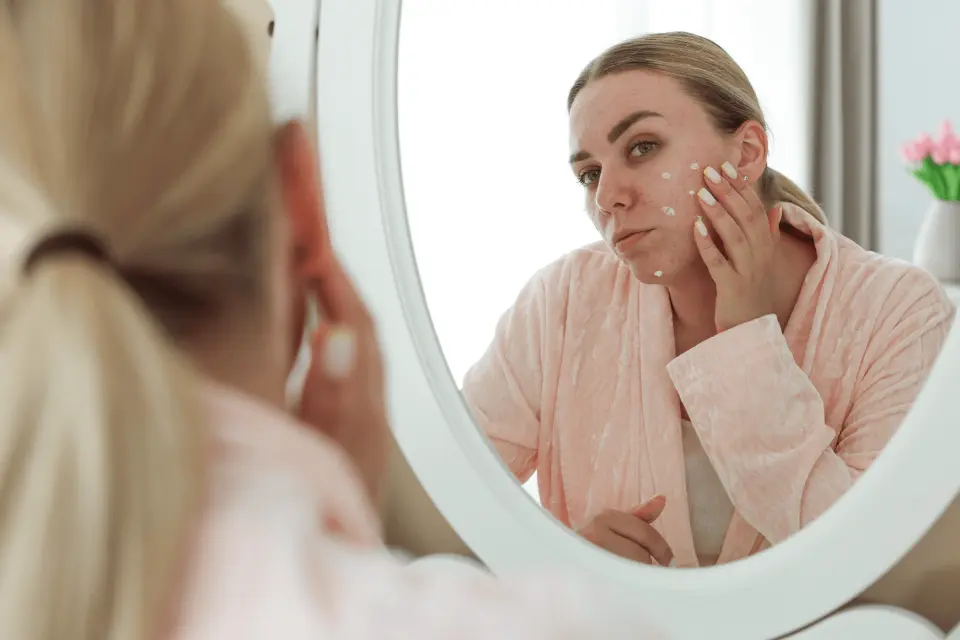
The wrong sunscreen can trigger breakouts, but properly formulated products should not. Choose non-comedogenic, oil-free formulas designed for acne-prone skin. Gel and fluid textures work better than heavy creams, and mineral formulas tend to be gentler on reactive complexions.
Complete sun avoidance is not necessary or realistic. The goal is protection, not isolation. Wear broad-spectrum SPF 30 or higher daily, seek shade during peak hours, and wear hats when possible.
Retinoids should only be applied at night. By morning, the product has absorbed, but the skin remains photosensitive. Wear sunscreen every day while using retinoids, regardless of planned sun exposure or cloud cover.
SPF 30 blocks 97% of UVB rays and provides sufficient protection for daily use. SPF 50 or higher offers added protection for extended outdoor exposure or for sensitive skin without significantly increasing the risk of pore clogging when properly formulated.
Vitamin C fights inflammation, fades hyperpigmentation, and enhances the effectiveness of sunscreen. It works well in morning routines for acne-prone skin when layered under SPF, making it a useful dual-purpose step.
Combining multiple active ingredients can be effective, but it also increases irritation risk. Introduce one new product at a time and space out strong actives to different days or application times. A telehealth consultation through Doctronic can help you build a routine that addresses acne without overwhelming your skin barrier.
Protecting acne-prone skin from sun damage while treating breakouts requires thoughtful product selection and consistent daily habits. The two goals are not in conflict: the right sunscreen enhances your acne treatment results rather than undermining them. For personalized skincare guidance based on individual skin concerns, visit Doctronic to access AI-powered medical consultations available 24/7.
Explore treatment options
Chat Now
Join 50,000+ readers using Doctronic to understand symptoms, medications,
and next steps.
Add your phone number below to get health updates and exclusive VIP offers.
By providing your phone number, you agree to receive SMS updates from Company. Message and data rates may apply. Reply “STOP” to opt-out anytime. Read our Privacy Policy and Terms of Service for more details.
Save your consults. Talk with licensed doctors and manage your health history.