
Side Effects of Minoxidil: What You Need to Know

Medically reviewed by Alan Lucks | MD, Alan Lucks MDPC Private Practice - New York on March 9th, 2026.
Published on February 2nd, 2026. Updated on September 11th, 2026.
Key takeaways
Minoxidil is used for hair loss and high blood pressure treatment, and each use comes with its own set of potential side effects.
Topical and oral minoxidil have different side effect profiles, with topical mainly causing scalp reactions and oral carrying cardiovascular and systemic risks.
Most side effects are mild and manageable with proper medical guidance and simple adjustments to how you take the medication.
Starting or stopping minoxidil should always be done with input from a medical provider, especially for blood pressure treatment.
Minoxidil is used to treat hair loss (topical form) and high blood pressure (oral form). Both forms can cause side effects, and knowing what to expect before you start helps you use the medication safely. This page breaks down the most common reactions for each form and flags the warning signs that need prompt medical attention.
The medication comes in two primary forms: topical solutions for hair growth and oral tablets for blood pressure management. Each form presents unique side effects that patients should be aware of. Providers prescribe antibiotics and other medications similarly, with careful consideration of potential reactions.
Topical Minoxidil Side Effects
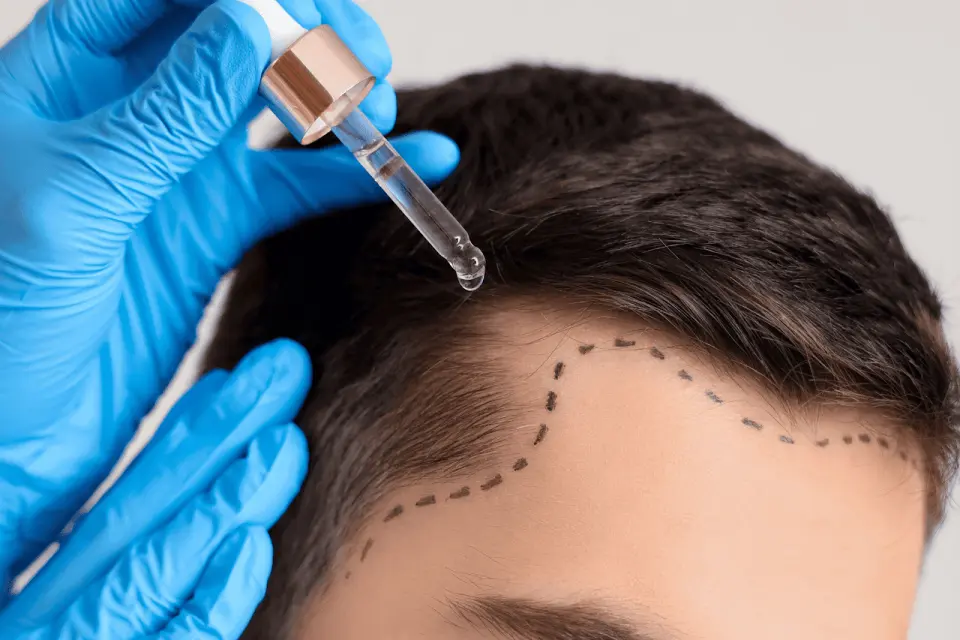
Topical minoxidil, commonly used for hair restoration, typically causes mild scalp-related side effects. Users may experience:
Scalp itching
Skin dryness
Irritation
Mild burning sensation
Occasional flaking or scaling
These side effects are usually temporary and can often be managed by adjusting application frequency or technique. Some individuals might have more sensitive skin and require alternative approaches.
Oral Minoxidil Side Effects
Oral minoxidil presents a more complex side effect profile. Common reactions include:
Nausea and vomiting
Headaches
Breast tenderness
Increased body hair growth
Potential cardiovascular changes
About 80% of patients taking oral minoxidil report increased body hair growth, a condition called hypertrichosis. This side effect typically appears within three to six weeks of starting the medication and is most noticeable on the face, back, arms, and legs.
Serious Side Effects to Monitor
While most side effects are mild, some require immediate medical attention. Patients should watch for:
Rapid heart rate increases
Sudden weight gain
Breathing difficulties
Severe dizziness or fainting
Understanding generic vs. brand drugs can also help patients discuss alternative treatments with their healthcare provider if side effects become problematic.
Managing Minoxidil Side Effects Day to Day
Most people who use minoxidil tolerate it well, but a few practical strategies can make the experience more comfortable and help you stay on track with treatment.
Topical application tips
Scalp irritation is the most reported issue with topical minoxidil. Applying the solution or foam to completely dry hair and scalp reduces absorption-related irritation. If itching or flaking is persistent, switching from the liquid formulation to the foam version may help, since the foam contains fewer irritating additives. Giving the product 30 to 60 minutes to fully dry before lying down also limits transfer to the face and neck, which can cause unwanted hair growth in those areas.
Managing oral minoxidil reactions
Fluid retention is one of the more common issues with oral minoxidil, especially at higher doses. Taking the medication with plenty of water and limiting high-sodium foods can reduce mild puffiness. Some providers prescribe a low-dose diuretic alongside oral minoxidil specifically to manage fluid buildup. Nausea is usually dose-related and often improves if you take the tablet with food.
Hypertrichosis (excess body hair) is harder to prevent, but most patients find it manageable with regular grooming. Hair growth typically slows or reverses within one to three months of stopping the medication.
When to call your care team
Some changes should prompt a call or visit right away. Rapid or irregular heartbeat, sudden weight gain of more than two to three pounds in a day, swelling in the hands or feet, or any difficulty breathing are signs that minoxidil may be affecting your cardiovascular system. These reactions are uncommon but serious, and they should not be managed with home remedies or a wait-and-see approach.
If you are unsure whether a symptom is related to minoxidil, a short conversation with a provider can save you a lot of guesswork. Our AI doctor is available around the clock to help you sort through symptoms and decide on next steps without waiting for an appointment.
Comparative Side Effect Profile
Gender-Specific Considerations
Women and men may experience slightly different side effects. Women might find excessive hair growth more bothersome and should discuss management strategies with their healthcare provider. Pregnant or breastfeeding women should avoid oral minoxidil and consult their doctor about topical options.
Frequently Asked Questions
Can I stop taking minoxidil suddenly?
No, especially for blood pressure treatment. Consult your healthcare provider for safe discontinuation.
How long do side effects typically last?
Mild side effects often subside within weeks as your body adjusts to the medication.
Will hair growth side effects be permanent?
Excess hair growth typically gradually reduces after stopping the medication.
Are there alternatives to minoxidil?
Your healthcare provider can suggest alternative treatments based on your specific condition.
Is minoxidil safe for long-term use?
Long-term use is possible with proper medical supervision and monitoring.
Frequently Asked Questions
The most common side effects of topical minoxidil are scalp itching, dryness, mild irritation, and occasional flaking. These reactions are usually temporary and often improve by adjusting how often or how you apply the product. Switching from the liquid to the foam formulation can also reduce irritation for sensitive skin.
Yes, oral minoxidil tends to have a broader side effect profile because it acts throughout the body rather than locally on the scalp. Common effects include fluid retention, increased body hair growth, headaches, and nausea. Cardiovascular effects like rapid heartbeat are less common but more serious and require monitoring.
Hypertrichosis is unwanted hair growth that occurs in areas beyond the scalp, such as the face, arms, and back. It affects about 80% of people who take oral minoxidil and typically appears within three to six weeks of starting treatment. In most cases, excess hair growth slows and reverses within one to three months after stopping the medication.
Oral minoxidil should be avoided during pregnancy and breastfeeding due to potential risks to the baby. Topical minoxidil is also generally not recommended during these periods, though the systemic absorption is lower. Anyone who is pregnant, planning to become pregnant, or breastfeeding should discuss safer alternatives with a provider before using any form of minoxidil.
Seek medical attention right away if you experience rapid or irregular heartbeat, sudden weight gain, swelling in the hands or feet, chest pain, or difficulty breathing. These symptoms may indicate that minoxidil is affecting your cardiovascular system and should not be ignored. Stopping the medication suddenly without medical guidance, especially for blood pressure treatment, can also be dangerous.
The Bottom Line
Understanding minoxidil's side effects is crucial for safe and effective treatment. Care you can trust. Doctronic is clinically validated with 99% treatment plan alignment.
Related articles
Omeprazole Side Effects Timeline: Week by Week Guide
Metoprolol Side Effects Timeline: Week by Week Guide
Lupus Vs MS: Key Differences in Symptoms, Diagnosis, and Treatment
Hantavirus Symptoms: Signs, Stages, and When to Seek Care
Should I Be Worried About Hantavirus? A Realistic Look at the Risk
IBS Flare Ups: What Triggers Symptoms and How to Take Control

How to Calm an Anxiety Attack: Techniques That Work in the Moment


Stages of Depression: How It Progresses and When to Seek Help

Poison Ivy Rash: Identification, Treatment, and When to See a Doctor

What Triggers Eczema? Common Flare-Ups Including Sun and Seasonal Changes
Ask about Minoxidil side effects
Chat Now