
Understanding Herpes: A Comprehensive Visual Guide to Symptoms and Prevention

Medically reviewed by Alan Lucks | MD, Alan Lucks MDPC Private Practice - New York on March 5th, 2026.
Published on February 1st, 2026. Updated on April 30th, 2026.
Key takeaways
Herpes can manifest differently depending on the infection location and stage
Both HSV-1 and HSV-2 can cause genital and oral herpes outbreaks
Antiviral treatments can help manage swollen lymph nodes and reduce outbreak severity
Early recognition and professional medical consultation are crucial for proper management
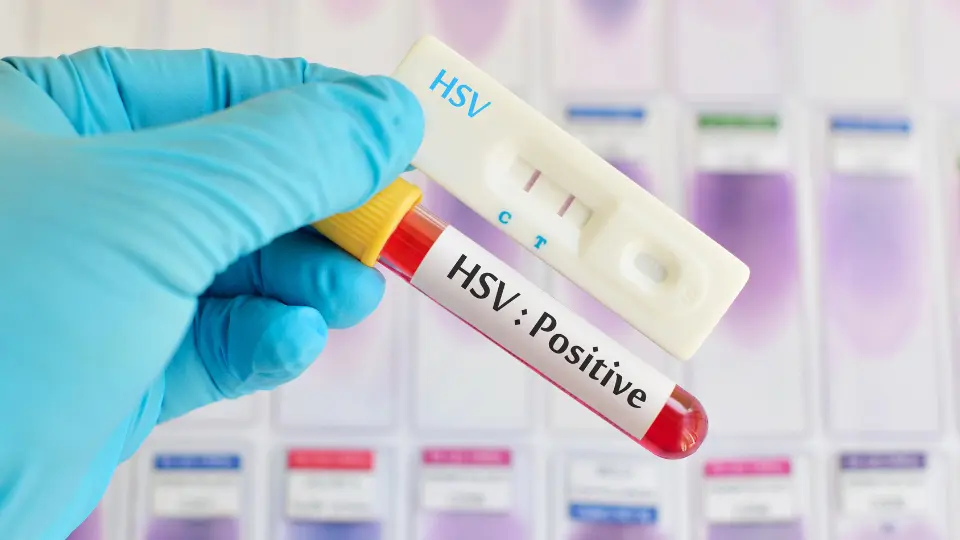
Herpes is a common viral infection that affects millions of people worldwide. Caused by herpes simplex viruses (HSV-1 and HSV-2), this condition can create significant anxiety and uncertainty for those experiencing symptoms. Understanding what herpes looks like, how it develops, and how to manage it can help reduce fear and promote effective treatment.
Types of Herpes Viruses
Herpes simplex viruses come in two primary types: HSV-1 and HSV-2. While traditionally HSV-1 was associated with cold sores and HSV-2 with genital herpes, modern research shows significant overlap in transmission and symptoms.
Stages of Herpes Infection
Herpes infections typically progress through several distinct stages:
Prodromal Stage
Before visible symptoms appear, individuals might experience early warning signs. These can include tingling sensations, mild pain, or flu-like symptoms. During this stage, the virus begins reactivating in nerve cells near the initial infection site.
Vesicular Stage
Small, fluid-filled blisters emerge during this phase. These delicate vesicles are often clustered together and can appear on the mouth, genitals, or other body areas. The blisters are typically accompanied by redness and potential discomfort.
Ulcerative Stage
As the blisters rupture, they transform into open sores. This stage is often the most painful and contagious. The urinary tract infections in kids guide might help understand similar inflammatory responses.
Healing Stage
Gradually, the sores begin to dry out and form scabs. During this period, the risk of transmission decreases, but caution is still recommended.
Herpes Manifestations
Location |
Typical Characteristics |
Potential Complications |
|---|---|---|
Oral |
Clustered blisters around mouth |
Potential spread to fingers/eyes |
Genital |
Painful, fluid-filled lesions |
Increased transmission risk |
Fingers |
Small, painful blisters |
Secondary bacterial infections |
Prevention and Management
Preventing herpes transmission involves multiple strategies:
Practice safe sex using barrier methods
Avoid intimate contact during active outbreaks
Discuss sexual health openly with partners
Consider antiviral medications
Frequently Asked Questions
Herpes is extremely prevalent, with millions of new infections occurring annually.
Currently, there's no cure, but care providers can help manage symptoms effectively.
No, outbreak severity and frequency can vary significantly between individuals.
Symptoms can emerge 2-10 days after initial exposure.
No, transmission can occur through various forms of skin-to-skin contact.
The Bottom Line
Understanding herpes requires accurate information and professional medical guidance. While the condition can be challenging, modern treatments offer significant symptom management and reduced transmission risks.
Care you can trust. Doctronic is clinically validated with 99% treatment plan alignment.
Related articles
Omeprazole Side Effects Timeline: Week by Week Guide
Metoprolol Side Effects Timeline: Week by Week Guide
Lupus Vs MS: Key Differences in Symptoms, Diagnosis, and Treatment
Hantavirus Symptoms: Signs, Stages, and When to Seek Care
Should I Be Worried About Hantavirus? A Realistic Look at the Risk
IBS Flare Ups: What Triggers Symptoms and How to Take Control

How to Calm an Anxiety Attack: Techniques That Work in the Moment


Stages of Depression: How It Progresses and When to Seek Help
Poison Ivy Rash: Identification, Treatment, and When to See a Doctor
What Triggers Eczema? Common Flare-Ups Including Sun and Seasonal Changes
Check symptoms of herpes
Chat Now