
Understanding Postpartum Hair Loss: A Natural Journey Back to Normal

Medically reviewed by Alan Lucks | MD, Alan Lucks MDPC Private Practice - New York on March 6th, 2026.
Published on February 1st, 2026. Updated on September 11th, 2026.
Key takeaways
Postpartum hair loss affects 40-50% of new mothers
Hormonal changes cause synchronized hair shedding
Hair typically returns to normal within 12 months
Gentle hair care and nutrition can support recovery
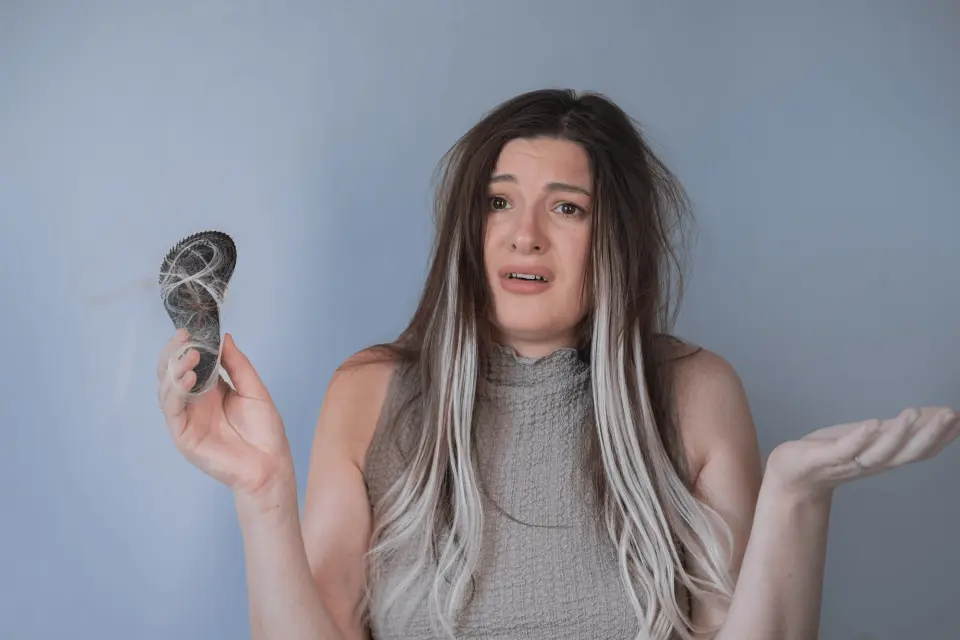
Welcoming a new baby brings incredible joy, but for many women, it also introduces an unexpected challenge: postpartum hair loss. This natural biological process can feel alarming, yet understanding its underlying mechanisms can provide significant reassurance during an already transformative time. New mothers experiencing sudden hair shedding can take comfort in knowing that this is a temporary and completely normal physiological response.
The journey of postpartum hair loss begins with the dramatic hormonal shifts that occur after childbirth. During pregnancy, elevated estrogen levels keep hair in an extended growth phase, creating the luxurious, thick locks many women enjoy. After delivery, these hormone levels plummet, triggering a synchronized release of accumulated hair that had been paused in the growth cycle.
The Hormonal Rollercoaster of Hair Growth
Pregnancy fundamentally alters the typical hair growth cycle. Normally, hair follows a predictable pattern with about 85-90% of follicles in active growth. During pregnancy, hormonal changes extend this growth phase, reducing typical hair shedding. When hormone stimulation returns to pre-pregnancy levels, the accumulated hair begins to shed simultaneously.
Recognizing Postpartum Hair Loss Patterns
Most women notice increased hair shedding between two to four months after delivery. The process typically peaks around three to six months postpartum, with women potentially losing 300-500 hairs daily compared to the usual 50-100. The hairline and temples often show the most noticeable thinning, which can be distressing for new mothers.
Management Strategies for Healthy Hair Recovery
Gentle hair care becomes crucial during this period. Opt for sulfate-free shampoos and avoid excessive heat styling. Eating habits that support nutrition can also play a significant role in hair recovery. Ensure adequate intake of proteins, iron, and vitamins that support hair health.
Nutritional Support and Supplements
Nutrient |
Benefit for Hair Health |
Recommended Sources |
|---|---|---|
Protein |
Supports hair structure |
Lean meats, legumes, eggs |
Iron |
Prevents hair loss |
Spinach, red meat, lentils |
Biotin |
Promotes hair growth |
Eggs, nuts, whole grains |
Vitamin D |
Supports hair follicle health |
Fatty fish, sunlight exposure |
When to Seek Professional Advice
While postpartum hair loss is normal, yeast infection during pregnancy and other health conditions can complicate recovery. Consult a healthcare provider if hair loss is extreme, continues beyond 12 months, or is accompanied by other concerning symptoms.
The Bottom Line
Postpartum hair loss is a temporary and natural process that most women experience. With proper care, nutrition, and patience, hair typically returns to its pre-pregnancy state. Ready to meet your AI doctor? Get started with Doctronic today.
Related articles
Get hair loss advice
Chat Now