Dermatology
Best Sunscreen for Hyperpigmentation: SPF That Prevents Dark Spots
April 17, 2026
5 min read

Medically reviewed by Alan Lucks | MD, Alan Lucks MDPC Private Practice - New York on May 23rd, 2026.
Published on April 9th, 2026. Updated on July 23rd, 2026.
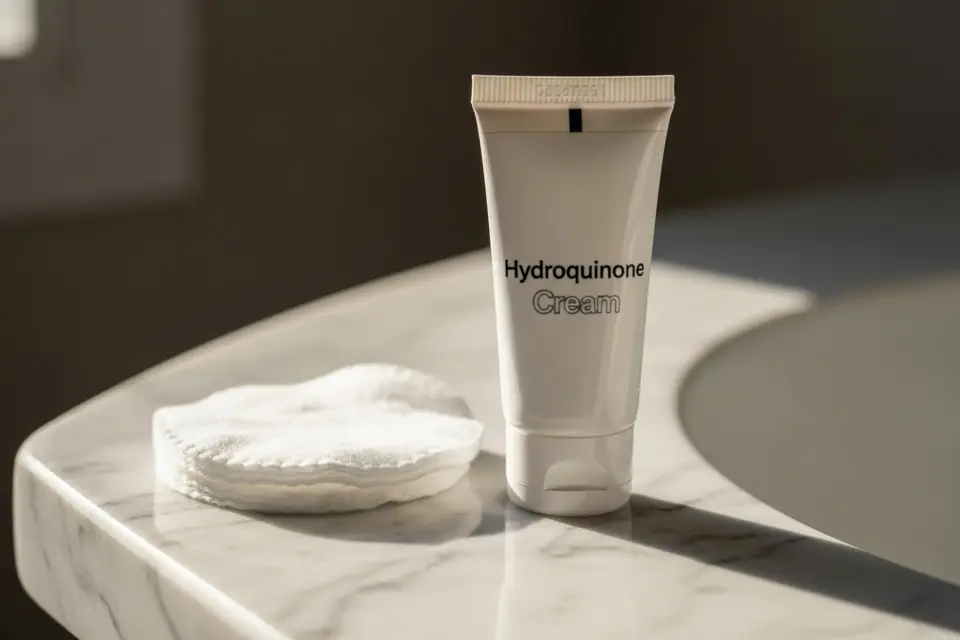
Hydroquinone is a tyrosinase inhibitor that blocks melanin production at the source, making it the most studied topical treatment for hyperpigmentation
Over-the-counter formulas are capped at 2%; prescription-strength products go up to 4% or higher and are typically prescribed for melasma or stubborn dark spots
The FDA has required additional safety data and recommends cycled use (roughly 3 months on, 3 months off) to reduce the risk of ochronosis, a rare bluish-gray skin discoloration
Daily SPF use is not optional when using hydroquinone; UV exposure will undo progress and can worsen pigmentation
Pregnant and nursing individuals should avoid hydroquinone; safer alternatives including azelaic acid, kojic acid, arbutin, and vitamin C are available
Visible improvement typically takes 4 to 8 weeks with consistent use
If you want personalized guidance on which treatment is right for your skin, Doctronic.ai offers free AI doctor consultations and telehealth visits with licensed physicians who can review your case and write prescriptions when appropriate
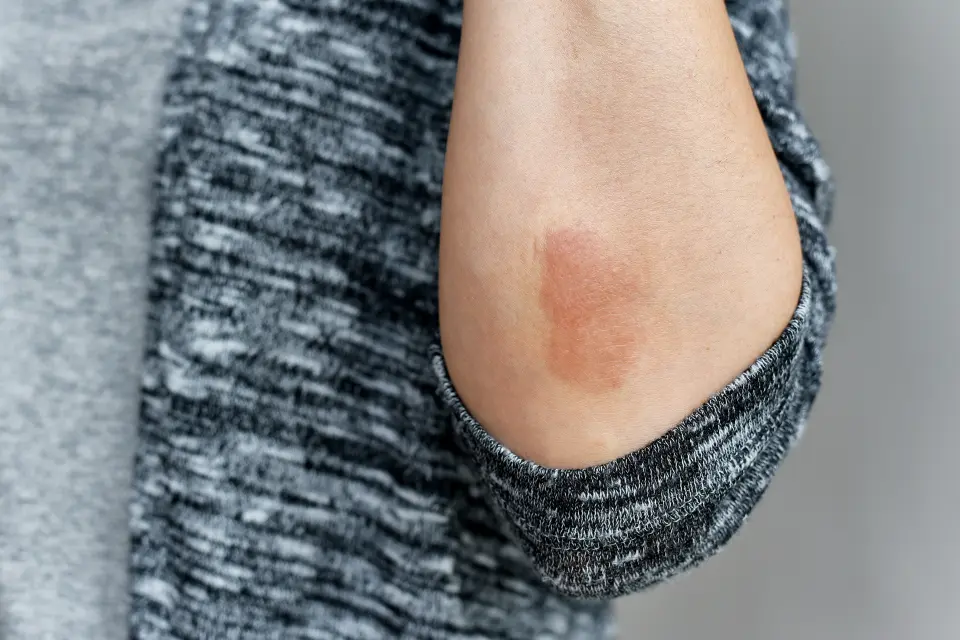
Hydroquinone is a topical depigmenting agent that has been used in dermatology for more than 50 years. It works by inhibiting tyrosinase, the enzyme responsible for converting tyrosine into melanin inside pigment-producing cells called melanocytes. Less tyrosinase activity means less melanin is deposited in the skin, which gradually lightens dark spots, uneven tone, and discoloration caused by sun damage, hormonal changes, or post-inflammatory response.
Because of its direct mechanism and long clinical track record, dermatologists often refer to hydroquinone as the gold standard for treating hyperpigmentation. No other topical ingredient has the same volume of supporting evidence for lightening discrete areas of excess pigment. It falls under the broader category of skin pigmentation disorders that affect melanin distribution in the skin.
In the United States, hydroquinone products are sold over the counter at concentrations of up to 2%. You will find these in serums, creams, and spot treatments marketed for dark spots, age spots, and uneven skin tone. At 2%, results are possible but tend to be gradual and modest for deeper or more persistent pigmentation.
Prescription formulas, typically at 4%, are prescribed by dermatologists and primary care providers for conditions like melasma, post-inflammatory hyperpigmentation (PIH), and solar lentigines that have not responded to OTC products. Some compounded formulas go higher than 4%, though higher concentrations also carry a greater risk of irritation and side effects.
Telehealth platforms have made prescription-strength access more convenient. A licensed provider can evaluate your skin, confirm the cause of pigmentation, and write a prescription during a virtual visit, often within hours rather than weeks.
Hydroquinone enters the epidermis and is taken up by melanocytes. Once inside the cell, it competes with tyrosine for binding to the tyrosinase enzyme. By occupying that binding site, it prevents tyrosine from being converted through the chain of chemical reactions that ultimately produce melanin.
The effect is targeted. Hydroquinone does not bleach the skin overall or destroy melanocytes; it slows melanin synthesis in the treated area. When you stop using it, melanocytes resume normal activity, which is why maintenance and sun protection are important for keeping results.
It is most effective on superficial pigmentation in the epidermis. Deeper dermal pigmentation, such as the kind seen in certain types of melasma, can be more resistant and may require combination treatment.
Hydroquinone has had an unusual regulatory history in the United States. For decades, it was sold OTC without question. In 2006, the FDA proposed reclassifying it as a prescription drug, citing concerns about gaps in safety data. That proposal was never finalized, and 2% products remained on shelves while the agency asked manufacturers to submit additional safety studies.
Several countries, including the European Union, Japan, and Australia, have banned or heavily restricted hydroquinone in cosmetic products, citing concerns about carcinogenicity observed in rodent studies. The dermatology community generally views those findings as not directly applicable to topical human use at standard concentrations, but the restrictions have contributed to ongoing debate.
The main safety concern in human use is ochronosis, a paradoxical condition in which prolonged hydroquinone use causes the skin to darken rather than lighten, producing a blue-gray discoloration that is difficult to reverse. Ochronosis is more commonly reported with long-term daily use, particularly in studies from South Africa, where higher-concentration products were used continuously without cycling.
Cycled use (approximately 3 months on followed by a break of similar length) is now the standard recommendation to minimize this risk. Most dermatologists will not prescribe continuous hydroquinone use beyond three to four months without a reassessment.
Getting results safely requires following the protocol carefully.
Start with a patch test on a less visible area of skin and wait 24 to 48 hours. Redness or stinging is a sign your skin may not tolerate the product.
Apply a thin layer to affected areas only, not the entire face. Use once or twice daily as directed, typically in the evening. More product does not accelerate results.
Sunscreen is non-negotiable. Hydroquinone increases UV sensitivity, and sun exposure directly counteracts its effect. Use broad-spectrum SPF 30 or higher every morning, since sun protection is foundational to any melasma treatment regimen.
Avoid combining hydroquinone with benzoyl peroxide or hydrogen peroxide, as these can cause temporary skin staining.
Most people using 2% to 4% hydroquinone consistently will see measurable lightening in 4 to 8 weeks. Full results on moderate hyperpigmentation typically emerge around the 8 to 12 week mark. Stubborn or deep pigmentation may take longer, and some cases require combination therapy alongside retinoids or chemical exfoliants.
If you see no improvement after 3 months of consistent use, that is a signal to reassess with a provider. The spot may be deeper than the epidermis, may be a different type of pigmentation, or may respond better to a different agent or combination approach.
The most common side effects are mild and include:
Skin irritation, redness, or a burning sensation, particularly when first starting treatment or with twice-daily application. This often improves after the first few weeks as skin adjusts.
Dryness and flaking in the treated area. Using a fragrance-free moisturizer after hydroquinone application can reduce this.
Increased sun sensitivity. This is not a side effect to wait out; it requires active management with consistent SPF use.
Rebound hyperpigmentation can occur if you stop hydroquinone abruptly without maintaining sun protection. Melanocyte activity resumes, and unprotected UV exposure can leave pigmentation darker than before. Gradual taper with consistent SPF minimizes this risk.
Ochronosis is rare at standard concentrations with proper cycling, but is the primary reason continuous indefinite use is not recommended.
Pregnant and nursing individuals should not use hydroquinone. Systemic absorption through the skin is possible, and there is insufficient safety data to support use during pregnancy. This is one of the clearest contraindications in dermatology literature.
People with a personal or family history of ochronosis should discuss the risk carefully with a provider before starting hydroquinone.
Those with very sensitive skin or conditions like rosacea or eczema may find hydroquinone too irritating, particularly at higher concentrations or in combination with other actives.
Several agents address hyperpigmentation through different mechanisms and are appropriate for those who cannot or prefer not to use hydroquinone.
Azelaic acid works by selectively inhibiting tyrosinase in abnormally pigmented cells while leaving normal melanocytes relatively unaffected. It is well tolerated, available at prescription strength (15% or 20%), and is safe during pregnancy at lower concentrations.
Kojic acid, derived from fungi, also inhibits tyrosinase and is frequently paired with other brightening ingredients in OTC products.
Vitamin C (ascorbic acid) interrupts melanin synthesis and provides antioxidant protection against UV-triggered pigmentation. It works more slowly than hydroquinone but is well tolerated by most skin types.
Arbutin (including alpha-arbutin) is a glycoside that releases hydroquinone slowly in the skin, providing a milder depigmenting effect with a lower risk profile.
Niacinamide prevents melanin from transferring from melanocytes to surrounding skin cells, reducing the visible appearance of dark spots over time.
For deeper hyperpigmentation that has not responded to topicals, professional options, including chemical peels, laser therapy, and microneedling, can accelerate results. Several of these treatments also address post-inflammatory hyperpigmentation, which often accompanies acne scarring.
Getting prescription-strength hydroquinone used to require a dermatologist appointment, a multi-week wait, and an out-of-pocket visit fee if insurance did not cover cosmetic concerns. Telehealth has changed that.
A licensed provider can review your skin via photos or a video visit, confirm the type of pigmentation, and prescribe a 4% formula or a compounded combination cream (often pairing hydroquinone with a retinoid and a low-potency corticosteroid) in a single visit. Prescriptions go directly to your pharmacy.
This matters because prescription-strength treatment under supervision is meaningfully more effective for melasma, and a provider can build the cycling protocol and sun protection routine that makes results last.
Long-term continuous use is not recommended. Most dermatologists advise cycling: use hydroquinone for approximately 3 months, then take an equal break before resuming if needed. Extended uninterrupted use increases the risk of ochronosis, a difficult-to-reverse darkening of the skin.
Yes, as directed by the product or your provider, typically once or twice daily. Daily use is appropriate during an active treatment cycle. What is not appropriate is daily use without ever stopping; cycling and sun protection are both part of safe use.
Most people notice visible lightening within 4 to 8 weeks of consistent use. Significant improvement on stubborn or deep pigmentation may take closer to 12 weeks.
It is most effective on epidermal (surface-level) hyperpigmentation, including sun spots, post-inflammatory hyperpigmentation, and superficial melasma. Dermal melasma, which lies deeper in the skin, often requires combination therapy or professional procedures to achieve meaningful improvement.
For mild sun spots or post-acne marks, a 2% OTC formula may be sufficient with consistent use. For melasma or persistent pigmentation that OTC products have not addressed, prescription-strength 4% is significantly more effective and worth pursuing through a dermatologist or telehealth visit.
Avoid combining it with benzoyl peroxide or hydrogen peroxide, which can cause temporary skin staining. Using it alongside strong retinoids, AHAs, or BHAs may also increase irritation; if using these actives, separate them into morning and evening applications and introduce them gradually.
No. Hydroquinone is absorbed through the skin, and there is insufficient safety data to confirm its safety during pregnancy or while nursing. Azelaic acid and topical vitamin C are the most commonly recommended alternatives in that situation.
Hydroquinone is the most studied topical ingredient for dark spots and hyperpigmentation, and it works. Used correctly with cycling, consistent SPF, and appropriate concentration for your concern, it remains a reliable option for clearing pigmentation that other treatments have not resolved. The key is using it with a plan rather than indefinitely, and pairing it with sun protection that prevents new pigmentation from forming. If you want a licensed provider to assess your skin and determine whether prescription-strength hydroquinone or an alternative is the right call for you, Doctronic.ai connects you with physicians who can evaluate and prescribe during a single telehealth visit.
Explore treatment options
Chat Now
Join 50,000+ readers using Doctronic to understand symptoms, medications,
and next steps.
Add your phone number below to get health updates and exclusive VIP offers.
By providing your phone number, you agree to receive SMS updates from Company. Message and data rates may apply. Reply “STOP” to opt-out anytime. Read our Privacy Policy and Terms of Service for more details.
Save your consults. Talk with licensed doctors and manage your health history.