
Does It Hurt to Get an IUD?

Medically reviewed by Alan Lucks | MD, Alan Lucks MDPC Private Practice - New York on December 8th, 2025.
Published on December 8th, 2025. Updated on July 23rd, 2026.
Key takeaways
Many people wonder about pain during and after IUD insertion, and experiences can vary widely.
Understanding the procedure, pain management options, and what to expect can ease anxiety.
Telehealth services like Doctronic.ai provide accessible advice and support before and after getting an IUD.
Most discomfort is brief, and side effects typically subside within a few days.
Knowing when to seek medical advice is important for safety and peace of mind.
What Is an IUD and How Is It Inserted?
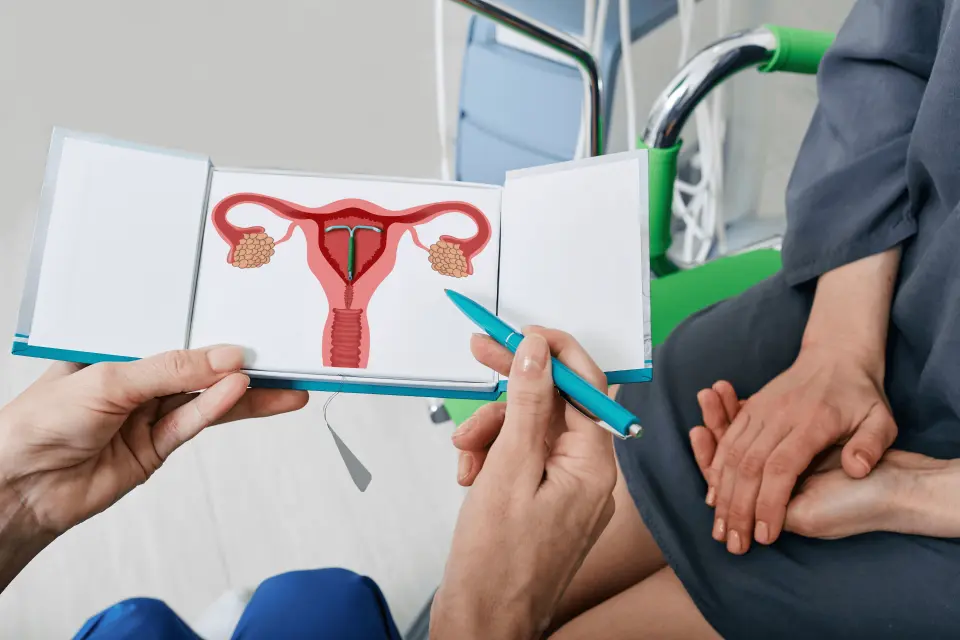
An intrauterine device, or IUD, is a small, T-shaped contraceptive device placed inside the uterus to prevent pregnancy. It is one of the most effective forms of birth control available, lasting anywhere from 3 to 12 years, depending on the type. IUDs are not only popular for their effectiveness but also for their convenience; once inserted, they require minimal maintenance and do not rely on daily action, unlike the pill or other forms of contraception.
The insertion process involves a healthcare provider placing the device through the cervix and into the uterus during an office visit. The procedure usually takes just a few minutes but can cause varying levels of discomfort. Many women report experiencing cramping similar to menstrual pain during and after the insertion, although this discomfort typically subsides within a few hours. It's advisable for patients to discuss pain management options with their healthcare provider prior to the procedure to ensure a more comfortable experience.
Types of IUDs
There are two main types of IUDs: hormonal and copper. Hormonal IUDs release small amounts of progestin to prevent pregnancy, while copper IUDs use copper’s natural properties to create an environment hostile to sperm. Both types require the same insertion process. Hormonal IUDs can also provide additional benefits, such as lighter menstrual bleeding and reduced menstrual cramps, making them an appealing choice for many women. In contrast, copper IUDs are hormone-free, making them suitable for individuals who prefer to avoid hormonal contraceptives or who may have contraindications to hormonal methods.
The Insertion Procedure
During insertion, a speculum is used to widen the vagina, and the cervix is cleaned. The provider may measure the depth of the uterus before placing the IUD. This step can cause cramping or sharp pain. Once inserted, the device’s strings hang slightly into the vagina for future removal or checks. After the procedure, it's common for healthcare providers to schedule a follow-up appointment to ensure the IUD is correctly positioned. Patients are also encouraged to check the strings periodically to confirm that the IUD remains in place. Any significant changes in the strings' length or if the strings are not felt at all should prompt a consultation with a healthcare provider, as this may indicate displacement of the device.
Does It Hurt to Get an IUD?
Pain during IUD insertion is one of the most common concerns. The truth is, pain levels vary widely from person to person. Some people report mild discomfort or pressure, while others experience sharp cramps or intense pain for a few minutes.
Several factors influence pain, including individual pain tolerance, the skill of the healthcare provider, and whether the cervix is naturally open or tight.
 What to Expect During Insertion
Mild to moderate cramping: Many describe the sensation as similar to menstrual cramps.
Sharp pinch: When the cervix is measured or the IUD is inserted, a brief sharp pain can occur.
Duration: The most intense pain typically lasts less than a minute.
Managing Pain During the Procedure
Taking an over-the-counter pain reliever like ibuprofen about an hour before the appointment can help reduce discomfort. Some providers offer local anesthetics or cervical numbing, but this varies by clinic.
Relaxation techniques such as deep breathing and distraction can also make the experience more manageable.
What Happens After Getting an IUD?
After insertion, it’s common to experience cramping and spotting for a few days to weeks. This is the body adjusting to the device. Hormonal IUD users may notice changes in their menstrual cycle, while copper IUD users might have heavier periods initially.
Typical Side Effects
Cramping similar to menstrual cramps
Light bleeding or spotting
Breast tenderness or mood changes (hormonal IUDs)
Heavier or longer periods (copper IUDs)
When to Contact a Doctor
Most side effects are temporary, but certain symptoms require prompt medical attention:
Severe, persistent pain lasting more than a few days
Heavy bleeding, soaking through pads or tampons hourly
Fever or chills indicate a possible infection
Signs of IUD expulsion, such as feeling the device in the vagina
If any of these occur, using a reliable telehealth service like Doctronic.ai can provide quick access to expert advice and next steps without needing to leave home.
How Telehealth Can Support You Before and After IUD Insertion
Getting an IUD can raise many questions and concerns. Telehealth platforms offer a convenient way to get personalized medical guidance from the comfort of home.
Pre-Insertion Consultation
Before deciding on an IUD, a telehealth visit can help you discuss your medical history, understand the types of IUDs, and evaluate if it’s the right choice for you. This can save time and reduce anxiety by preparing you for the appointment.
Post-Insertion Follow-Up
After insertion, you might want to check in about side effects or pain levels. Telehealth services like Doctronic provide 24/7 access to doctors who can answer questions, offer reassurance, and suggest treatments if needed.
Get IUD counseling treatment online today
A licensed doctor can review your symptoms and send a prescription to your pharmacy, often the same day.
- $39 video visit
- Insurance accepted
- 4.8 on Trustpilot
What Makes Doctronic.ai a Great Choice for Telehealth
Doctronic.ai stands out as a trusted AI-powered telehealth platform that combines the latest medical research with personalized care. It offers free AI doctor visits for quick answers and affordable video visits with real doctors across all 50 states.
Whether you have questions about IUD pain, side effects, or need a second opinion, Doctronic’s AI doctor remembers your history and provides detailed, up-to-date medical advice. This makes managing your reproductive health easier and more accessible.
IUD Pain and Care
While getting an IUD can cause discomfort, the pain is usually brief and manageable. Knowing what to expect and having access to reliable medical support can make the experience less stressful.
Telehealth options like Doctronic.ai provide a valuable resource for anyone considering or recovering from an IUD insertion. They offer fast, expert guidance that fits your schedule and needs.
Frequently Asked Questions
Most people experience cramping and mild pain for a few hours to a couple of days after insertion. Some may have light spotting or discomfort for up to a week.
People who have not given birth vaginally may experience more discomfort during insertion because their cervix tends to be tighter. However, pain levels vary widely among individuals.
Yes, taking ibuprofen or another over-the-counter pain reliever about an hour before your appointment can help reduce cramping and pain during the procedure.
If you experience severe or persistent pain, heavy bleeding, fever, or suspect the IUD has moved, contact your healthcare provider immediately. Telehealth services like Doctronic.ai can provide fast advice and help you decide on next steps.
Yes, IUDs are safe and effective for people who have never given birth. Your healthcare provider can discuss options and any additional considerations during your consultation.
Related articles
Get personalized health advice
Chat Now