
Does Eczema Go Away? What to Expect Over Time and How UV Helps

Medically reviewed by Alan Lucks | MD, Alan Lucks MDPC Private Practice - New York on May 22nd, 2026.
Published on April 6th, 2026. Updated on July 24th, 2026.
Key takeaways
Eczema often improves or resolves in childhood, but about one-half of children carry symptoms into adulthood.
Genetic factors and skin barrier health play major roles in determining whether eczema persists long-term.
UV light therapy, particularly narrowband UVB, can reduce inflammation and extend periods of clear skin.
Daily moisturizing and barrier repair remain the foundation of effective eczema management.
Understanding your personal triggers and tracking symptoms over time leads to better long-term control.
Doctronic.ai offers 24/7 telehealth access to help patients monitor eczema symptoms and adjust treatment plans with licensed providers.
Questions about eczema?
Free. Anonymous. Built by doctors.
This article covers general information. Ask Doctronic about your symptoms, medications, side effects, or treatment options.
Understanding Eczema and Its Timeline
The question of whether eczema goes away haunts millions of people dealing with itchy, inflamed skin. Approximately 31.6 million people in the U.S. have some form of eczema, representing roughly 10% of the population.
The honest answer is complicated: some people experience complete resolution, while others manage symptoms throughout their lives. Atopic dermatitis behaves differently depending on when it starts, how severe it becomes, and what triggers flare-ups.
Children often see dramatic improvement by adolescence. Adults who develop eczema later typically face a more persistent condition. UV light has emerged as a powerful tool in eczema management, offering relief when topical treatments fall short.
Remission vs. Permanent Cure: Setting Expectations
Distinguishing between remission and cure matters for realistic expectations. Remission means symptoms disappear for extended periods, sometimes years. A cure would mean the underlying condition no longer exists. Most dermatologists describe eczema as a manageable condition rather than a curable disease.
The skin barrier dysfunction that characterizes eczema stems from genetic and environmental factors that don't simply vanish. People in remission still carry the predisposition for flare-ups. Stress, allergen exposure, or climate changes can trigger symptoms even after years of clear skin.
Eczema in Childhood: The Atopic March
Children with eczema often follow a predictable pattern called the atopic march. This progression typically begins with eczema in infancy, potentially advancing to food allergies, allergic rhinitis, and asthma. A CDC report indicates that approximately 27% of adults have been diagnosed with seasonal allergy, eczema, or a food allergy.
Roughly 50% of children with eczema see significant improvement or complete resolution by their teenage years. The remaining half carry symptoms into adulthood, though often in milder forms. Early aggressive treatment may help prevent the atopic march from progressing.
Parents concerned about their child's skin can use Doctronic.ai to discuss symptoms and treatment timing with a licensed provider.
Adult-Onset Eczema and Chronic Management
Adults who develop eczema after age 18 face different odds. Adult-onset eczema tends to persist longer and respond less dramatically to treatment. The condition may appear suddenly after decades of healthy skin, often triggered by hormonal changes, stress, or new environmental exposures.
Chronic management becomes the focus rather than waiting for natural resolution. This means developing consistent skincare routines, identifying personal triggers, and maintaining relationships with healthcare providers who understand the condition's complexity.
Patients curious about the eczema immune response and whether eczema is autoimmune can explore the science behind what drives the condition.
Factors That Influence How Long Eczema Lasts
Genetic Predisposition and Skin Barrier Health
The filaggrin gene plays a central role in eczema development. Mutations in this gene impair the skin's ability to retain moisture and block irritants. People with filaggrin mutations face higher odds of persistent eczema and more severe symptoms.
Skin barrier health extends beyond genetics. The microbiome living on skin surfaces influences inflammation levels. Harsh soaps, hot water, and over-washing strip protective oils and disrupt beneficial bacteria. Rebuilding barrier function through gentle cleansing and consistent moisturizing can reduce flare frequency even in genetically predisposed individuals.
Environmental Triggers and Lifestyle Impact
Climate dramatically affects eczema behavior. Low humidity dries skin and increases flare risk. Extreme temperatures can trigger inflammation. Many patients notice seasonal patterns in their symptoms.
Stress activates immune pathways that worsen eczema. The itch-scratch cycle creates physical damage while psychological distress perpetuates inflammation. Identifying and managing personal triggers through careful observation remains essential.
Certain foods can also influence flare-ups. Patients interested in eczema dietary triggers can learn which foods commonly worsen symptoms and which support skin health.
The Role of UV Light in Eczema Treatment
Phototherapy represents one of the most effective treatments for moderate-to-severe eczema that doesn't respond adequately to topical medications. Controlled UV exposure can calm overactive immune responses in the skin.
How Phototherapy Reduces Inflammation
UV light penetrates the skin and affects immune cells called T lymphocytes. These cells drive much of the inflammation seen in eczema. Phototherapy reduces T cell activity and decreases the production of inflammatory chemicals called cytokines.
The treatment also thickens the outer skin layer, improving barrier function. Sessions typically occur two to three times weekly for several months. Many patients experience significant clearing that lasts months after completing treatment courses.
Narrowband UVB vs. Natural Sunlight
Medical phototherapy uses narrowband UVB light, which delivers specific wavelengths proven most effective for skin conditions. This differs from broad-spectrum sunlight, which contains potentially harmful UVA rays alongside beneficial wavelengths.
Natural sunlight can help mild eczema, but it carries risks that controlled phototherapy avoids:
Sunburn worsens eczema and increases skin cancer risk.
Medical phototherapy delivers precise doses without the unpredictability of outdoor exposure.
Tanning beds should never substitute for medical phototherapy, as they emit UVA radiation primarily.
Safety Precautions and Vitamin D
Phototherapy requires careful monitoring to prevent burns and minimize long-term skin damage. Dermatologists calculate doses based on skin type and treatment response. Eye protection remains mandatory during sessions.
UV exposure naturally triggers vitamin D production in the skin. Many eczema patients have low vitamin D levels, which may contribute to immune dysfunction. Patients should discuss vitamin D testing and supplementation with their healthcare providers.
Long-Term Management for Clearer Skin
Daily Moisturizing and Barrier Repair
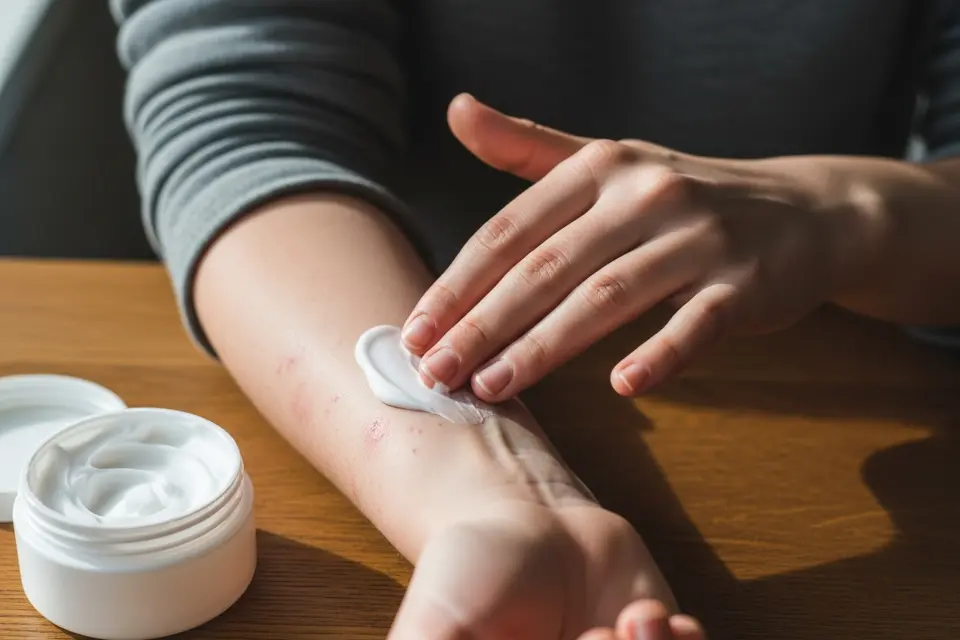
Moisturizing represents the single most important daily habit for eczema management. Thick creams and ointments outperform lotions. Applying moisturizer within three minutes of bathing locks in hydration.
Look for products containing ceramides, which help repair the skin barrier. Avoid fragrances and common irritants. Some patients benefit from wet wrap therapy during severe flares, applying moisturizer under damp bandages overnight.
Advanced Medical Interventions and Biologics
When basic measures fail, prescription options expand significantly:
Topical calcineurin inhibitors offer steroid-free anti-inflammatory effects.
Dupilumab targets specific immune pathways driving eczema inflammation.
Tralokinumab and lebrikizumab (approved as of 2026) also target interleukin pathways involved in inflammation.
These advanced treatments require medical supervision and monitoring. The treatment landscape continues evolving, with new options entering the market regularly.
Predicting Your Skin Health Outlook
No test definitively predicts whether eczema will resolve or persist. Several factors suggest longer duration: early onset, family history, and presence of other allergic conditions. Mild symptoms and good treatment response indicate better odds of eventual resolution.
Tracking symptoms over time provides valuable information. Noting what triggers flares and what brings relief helps optimize individual management plans. Doctronic.ai makes this documentation and professional consultation accessible from home.
Frequently Asked Questions
Complete resolution occurs in some adults, particularly those with mild disease and identified triggers they can avoid. Most adults with persistent eczema achieve good control rather than complete elimination.
Moderate, controlled sun exposure often helps eczema by reducing inflammation and boosting vitamin D. Sunburn always worsens the condition. Medical phototherapy provides benefits without sunburn risk.
Most patients notice improvement within four to eight weeks of consistent treatment. Maximum benefit typically occurs after three to four months of regular sessions.
Roughly 50% of children with eczema see significant improvement by adolescence. The remaining half continue experiencing symptoms, though often in milder forms than during childhood.
The Bottom Line
Eczema may or may not disappear permanently, but effective management strategies exist for every stage of life. Daily barrier repair, trigger avoidance, and medical treatments like phototherapy can achieve long periods of clear skin even when complete resolution isn't possible.
For personalized guidance on eczema treatment options, including UV therapy considerations, visit Doctronic.ai for AI-powered consultations and telehealth visits with licensed physicians available 24/7.
Related articles

Omeprazole Side Effects Timeline: Week by Week Guide
Metoprolol Side Effects Timeline: Week by Week Guide
Lupus Vs MS: Key Differences in Symptoms, Diagnosis, and Treatment
Hantavirus Symptoms: Signs, Stages, and When to Seek Care
Should I Be Worried About Hantavirus? A Realistic Look at the Risk
IBS Flare Ups: What Triggers Symptoms and How to Take Control

How to Calm an Anxiety Attack: Techniques That Work in the Moment


Stages of Depression: How It Progresses and When to Seek Help
Poison Ivy Rash: Identification, Treatment, and When to See a Doctor
What Triggers Eczema? Common Flare-Ups Including Sun and Seasonal Changes
Get skin care advice
Chat Now