
Is Eczema an Autoimmune Disease? Here’s What Science Says

Medically reviewed by Alan Lucks | MD, Alan Lucks MDPC Private Practice - New York on December 18th, 2025.
Published on December 17th, 2025. Updated on July 23rd, 2026.
Key takeaways
Eczema is a complex skin condition often mistaken for an autoimmune disease, but it differs in its underlying causes.
It involves immune system dysfunction, but primarily relates to allergic and inflammatory responses rather than the immune system attacking the body.
Understanding eczema’s nature helps guide effective treatment options, including telehealth services like Doctronic.ai for quick, expert advice.
Recent research highlights the role of genetics, environment, and skin barrier defects in eczema development.
Consulting with healthcare professionals through platforms such as Doctronic.ai.
Understanding Eczema: What Is It Exactly?
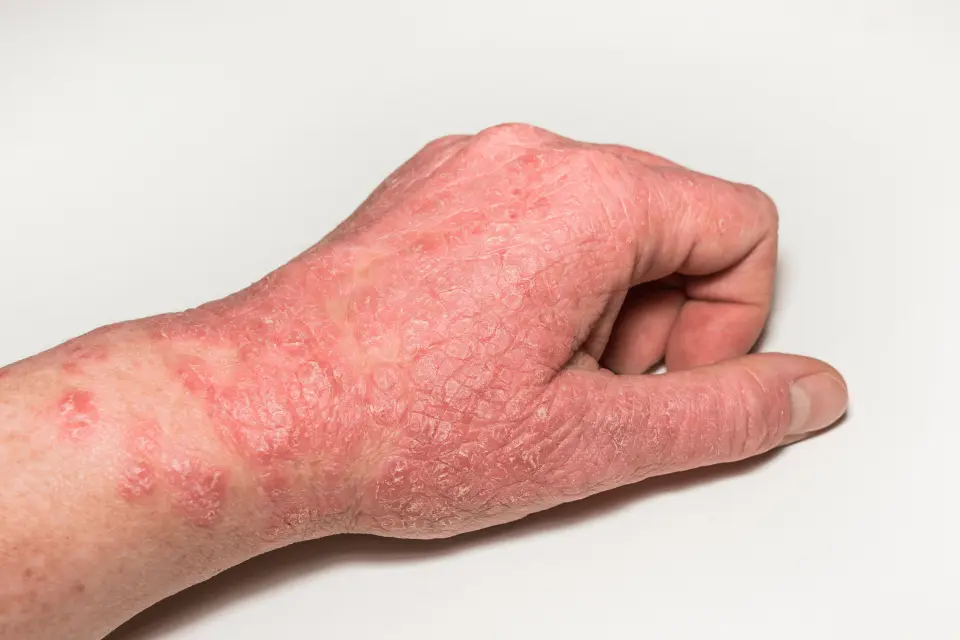
Eczema, also known as atopic dermatitis, is a common skin condition that causes red, itchy, and inflamed patches on the skin. It affects millions of people worldwide, often starting in childhood but sometimes appearing later in life. Despite its prevalence, many people wonder whether eczema is an autoimmune disease, given its connection to the immune system.
At its core, eczema is a condition where the skin barrier is compromised. This leads to dryness and increased sensitivity, making the skin vulnerable to irritants, allergens, and microbes. The immune system reacts to these triggers, causing inflammation and the characteristic symptoms of eczema.
Key Symptoms of Eczema
Dry, scaly, or cracked skin
Intense itching, sometimes leading to scratching and skin damage
Red or brownish-gray patches, often on hands, feet, face, or behind the knees
Blisters or oozing in severe cases
Is Eczema an Autoimmune Disease?
To answer this question, it’s important to understand what defines an autoimmune disease. Autoimmune diseases occur when the immune system mistakenly attacks the body’s own cells and tissues, causing chronic inflammation and damage. Examples include rheumatoid arthritis, lupus, and multiple sclerosis.
Eczema involves immune system activation, but it does not fit the classic definition of an autoimmune disease. Instead, eczema is considered an inflammatory skin disorder with an allergic component. The immune system in eczema reacts to external triggers rather than attacking the body itself.
How Eczema Differs from Autoimmune Diseases
Immune Target: Autoimmune diseases target the body’s own tissues, while eczema’s immune response targets environmental allergens and irritants.
Type of Immune Response: Eczema primarily involves an allergic-type immune response (Th2 pathway), whereas autoimmune diseases often involve different immune pathways.
Chronicity and Damage: Autoimmune diseases often cause permanent tissue damage, while eczema mainly causes skin inflammation and irritation that can be managed or reversed.
The Role of the Immune System in Eczema
Although eczema is not autoimmune, the immune system plays a significant role in its development and severity. Understanding this role can help clarify why eczema flares up and how treatments work.
Immune Dysregulation in Eczema
People with eczema have an immune system that reacts excessively to harmless substances like pollen, pet dander, or certain soaps. This overreaction causes inflammation and itching. The immune cells release chemicals such as histamines and cytokines that lead to redness and swelling.
Skin Barrier Dysfunction
Another critical factor is the skin’s barrier function. In eczema, the skin barrier is defective due to genetic mutations affecting proteins like filaggrin. This defect allows moisture to escape and irritants to enter, triggering immune responses. The skin’s inability to protect itself properly is a major reason eczema develops and persists.
What Science Says About Eczema’s Causes
Research continues to uncover the complex causes of eczema. It is clear that multiple factors contribute, including genetics, environment, and immune system behavior.
Genetic Factors
Studies have identified genes linked to eczema, especially those involved in skin barrier function and immune regulation. For example, mutations in the filaggrin gene are common in people with eczema, leading to a weaker skin barrier.
Environmental Triggers
Environmental factors such as allergens, irritants, climate changes, and infections can trigger or worsen eczema symptoms. Exposure to harsh soaps, detergents, or cold weather often leads to flare-ups.
Immune System Interactions
The immune system’s role is complex. Early in eczema, the immune response is dominated by Th2 cells, which promote allergic inflammation. In chronic eczema, other immune pathways may also become involved, complicating the condition.
Treatment Options and When to Seek Help
Managing eczema involves addressing symptoms, protecting the skin barrier, and controlling inflammation. Treatments vary depending on severity and individual needs.
Common Treatments
Moisturizers: Regular use of emollients helps restore the skin barrier and prevent dryness.
Topical Steroids: These reduce inflammation during flare-ups but should be used under medical supervision.
Antihistamines: Can help control itching, especially at night.
Immunomodulators: Non-steroidal creams that adjust immune responses in the skin.
Biologic Therapies: For severe cases, newer medications target specific immune pathways involved in eczema.
 Using Telehealth for Eczema Care
Accessing expert care quickly is crucial for managing eczema effectively. Telehealth services like Doctronic.ai offer convenient video visits with licensed doctors 24/7 across all 50 states. These visits can provide diagnosis, treatment recommendations, and ongoing support without leaving home.
Doctronic’s AI-powered platform also offers free AI doctor visits that synthesize the latest medical research to answer questions and provide personalized advice. This combination of AI and human doctors ensures you get fast, smart, and personal care for eczema and other health concerns.
Living with Eczema: Tips for Daily Management
Beyond medical treatments, lifestyle adjustments can make a significant difference in controlling eczema symptoms and improving quality of life.
Skin Care Routine
Use gentle, fragrance-free cleansers and moisturizers.
Apply moisturizers immediately after bathing to lock in moisture.
Avoid hot showers, which can dry out the skin.
Avoiding Triggers
Identify and minimize exposure to allergens and irritants.
Wear soft, breathable fabrics like cotton.
Maintain a comfortable indoor humidity level.
Stress Management
Stress can worsen eczema symptoms. Incorporating relaxation techniques such as meditation, yoga, or deep breathing exercises may help reduce flare-ups.
Get eczema treatment online today
A licensed doctor can review your symptoms and send a prescription to your pharmacy, often the same day.
- $39 video visit
- Insurance accepted
- 4.8 on Trustpilot
Related medications we prescribe
- Eucrisa crisaborole
- Cutivate fluticasone topical
- Desowen desonide
- Aclovate alclometasone dipropionate
- Locoid hydrocortisone butyrate
- Alclometasone
- Desonide
Next Steps for Those Concerned About Eczema
If you or a loved one experiences persistent or severe eczema symptoms, consulting a healthcare professional is important. Early diagnosis and tailored treatment can prevent complications and improve outcomes.
Using telehealth platforms like Doctronic.ai provides easy access to expert advice and treatment plans. Whether you want a quick AI doctor visit or a video consultation with a licensed physician, Doctronic offers a reliable way to get care wherever you are.
Understanding Eczema Beyond Autoimmune Labels
Eczema is a multifaceted condition involving immune system dysfunction, skin barrier defects, and environmental factors. While it is not classified as an autoimmune disease, its impact on daily life can be significant. Recognizing the difference helps in choosing the right treatments and managing expectations.
For those seeking reliable, accessible care, Doctronic.ai provides a blend of cutting-edge AI and human expertise to guide you through diagnosis and treatment. With millions of users already benefiting, this approach is reshaping how people manage primary care conditions like eczema.
Frequently Asked Questions
No, eczema is not contagious. It cannot be spread from person to person through contact.
Eczema itself is not an autoimmune disease and does not transform into one. However, people with eczema may be more prone to other allergic or immune-related conditions.
Seek medical advice if your eczema is severe, widespread, causing significant discomfort, or if you notice signs of infection, such as increased redness, warmth, or pus.
Yes, maintaining a good skin care routine, avoiding known triggers, managing stress, and keeping skin moisturized are all helpful steps.
Yes, telehealth services like Doctronic.ai offer convenient access to dermatologists and doctors who can diagnose and recommend treatment for eczema remotely.
Related articles
Get skin care advice
Chat Now