Treatments and Prevention
Eczema Diet: What to Eat and Avoid for Clearer Skin
December 8, 2025
7 min read

Medically reviewed by Alan Lucks | MD, Alan Lucks MDPC Private Practice - New York on December 9th, 2025.
Published on December 8th, 2025. Updated on July 23rd, 2026.
Understanding how diet impacts eczema flare-ups and skin health
Foods that may trigger eczema symptoms and should be avoided
Nutritious foods that support skin healing and reduce inflammation
How to personalize your eczema diet with professional guidance
Using telehealth services like Doctronic.ai for expert advice and ongoing care
Eczema, or atopic dermatitis, is a chronic skin condition marked by dry, itchy, and inflamed patches. While genetics and environment play a big role, what you eat can also affect how your skin reacts. Certain foods may trigger flare-ups, while others can help calm inflammation and repair the skin barrier.
Because eczema varies widely among individuals, the impact of diet can differ. Some people notice immediate reactions to specific foods, while others experience subtler effects over time. Identifying these triggers and beneficial foods is key to managing symptoms and improving skin clarity.
Food influences eczema primarily through the immune system and inflammation. When the body reacts to allergens or irritants in food, it can worsen skin inflammation. Some foods can affect the gut microbiome, which is closely linked to skin health.
Eating a balanced diet rich in antioxidants, healthy fats, and vitamins supports skin repair and reduces oxidative stress. On the other hand, processed foods and those high in sugar can increase inflammation and exacerbate eczema symptoms.
Certain nutrients have been shown to play a significant role in skin health. Omega-3 fatty acids, found in fatty fish like salmon and walnuts, are known for their anti-inflammatory properties and can help soothe irritated skin. Similarly, vitamins A, C, and E contribute to skin repair and regeneration, making foods like carrots, citrus fruits, and nuts essential components of an eczema-friendly diet. Incorporating these nutrients can not only alleviate symptoms but also promote overall skin resilience.
It's also important to consider hydration as part of dietary management for eczema. Drinking plenty of water helps maintain skin moisture and can prevent dryness, which is a common trigger for flare-ups. Herbal teas, particularly those with anti-inflammatory properties like chamomile or ginger, can also be beneficial. These beverages not only hydrate but may also offer additional soothing effects on the skin, making them a great addition to an eczema-friendly lifestyle.
Many people with eczema find that avoiding certain foods helps reduce flare-ups. While triggers vary, some common offenders are well-documented in research and patient reports. Understanding the relationship between diet and skin health is crucial for managing eczema effectively, as what we consume can significantly impact inflammation levels and overall skin condition.
Dairy Products: Milk, cheese, and yogurt can provoke reactions in some individuals. The proteins found in dairy, particularly casein and whey, may trigger an immune response in sensitive individuals, leading to increased irritation and flare-ups.
Eggs: A frequent allergen that may worsen eczema symptoms. Eggs contain proteins that can be difficult for some to digest, potentially leading to inflammation and skin issues.
Gluten and Wheat: Sensitivities to gluten can increase inflammation. For those with celiac disease or non-celiac gluten sensitivity, gluten can exacerbate symptoms not only in the gut but also on the skin.
Nuts and Peanuts: Known allergens that may trigger skin irritation. The oils and proteins in these foods can provoke an allergic reaction, leading to an increase in eczema symptoms.
Soy Products: Can cause flare-ups in sensitive people. Soy is a common ingredient in many processed foods, making it essential to read labels carefully.
Shellfish and Fish: Some types may worsen eczema for certain individuals. The high levels of omega-3 fatty acids found in fish are beneficial for many, but for those with allergies, they can lead to severe reactions.
Processed and Sugary Foods: High sugar intake can fuel inflammation and skin dryness. These foods often contain additives and preservatives that can irritate the skin and disrupt the gut microbiome, further aggravating eczema.
Eliminating these foods one at a time and monitoring skin response can help identify personal triggers. This process is often called an elimination diet and should be done carefully to ensure nutritional balance. Consulting with a healthcare professional or a registered dietitian can provide guidance and support during this process, ensuring that you maintain a well-rounded diet while identifying problematic foods.
Besides clear allergens, some foods may not cause direct reactions but can still worsen eczema through inflammation or irritation. These include:
Spicy foods
Alcohol
Caffeinated beverages
Highly processed snacks
Tracking symptoms and diet together can reveal if these foods affect your eczema. Keeping a detailed food diary can be particularly helpful; noting not only what you eat but also how your skin reacts can provide valuable insights. Incorporating anti-inflammatory foods, such as leafy greens, fatty fish, and nuts, into your diet may help counteract some of the negative effects of potential triggers, promoting healthier skin overall.
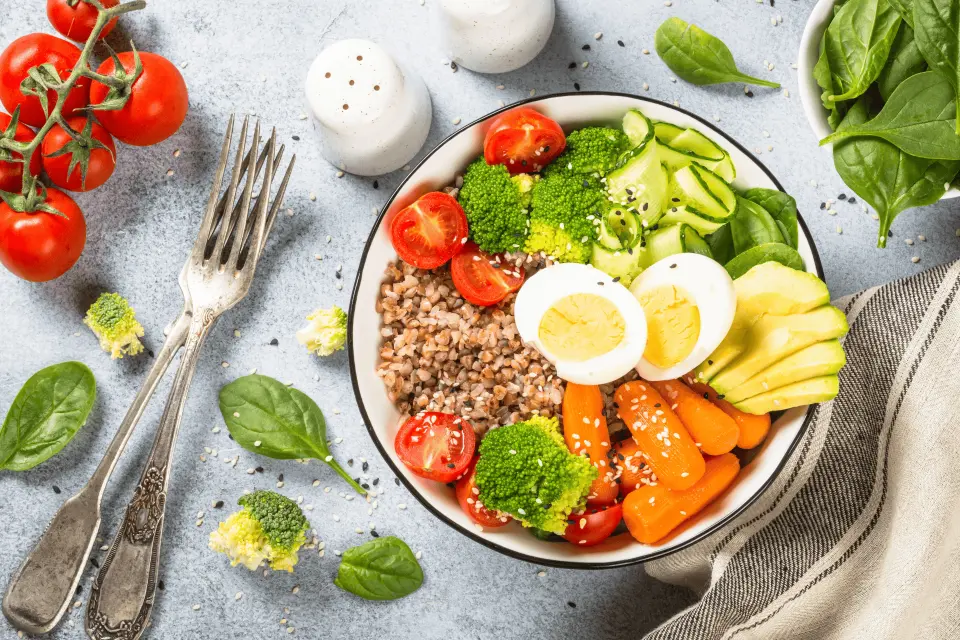
Choosing the right foods can make a significant difference in managing eczema. Nutrient-rich options help strengthen the skin barrier, soothe inflammation, and promote healing.
Fatty Fish: Salmon, mackerel, and sardines are high in omega-3 fatty acids, which reduce inflammation.
Fruits and Vegetables: Berries, leafy greens, and carrots provide antioxidants and vitamins A, C, and E.
Whole Grains: Brown rice, quinoa, and oats support gut health and provide fiber.
Probiotic Foods: Yogurt with live cultures, kefir, and fermented vegetables help balance gut bacteria.
Healthy Fats: Olive oil, avocado, and nuts (if not allergic) nourish skin cells.
 Hydration and Skin Health
Drinking plenty of water is essential for maintaining skin moisture and flushing out toxins. Staying well-hydrated can reduce dryness and itchiness associated with eczema.
Because eczema triggers vary, a tailored approach is best. Working with a healthcare provider can help you identify specific food sensitivities and develop a balanced, eczema-friendly diet.
Doctronic.ai offers quick and affordable access to medical advice from licensed doctors. You can discuss your eczema symptoms, diet, and treatment options without leaving home.
Doctronic’s AI doctor provides instant answers based on the latest medical research, while their telehealth video visits connect you with real doctors 24/7 across all 50 states. This combination supports ongoing eczema management with expert guidance tailored to your needs.
Track your current diet and eczema symptoms in a journal.
Identify possible trigger foods and try an elimination diet under medical supervision.
Incorporate more anti-inflammatory and nutrient-dense foods gradually.
Stay hydrated and maintain a consistent skincare routine.
Consult with a healthcare provider via telehealth for personalized advice and monitoring.
Managing eczema through diet requires attention, experimentation, and expert support. Avoiding common trigger foods while embracing anti-inflammatory and nutrient-rich options can help soothe your skin and reduce flare-ups.
Using telehealth platforms like Doctronic.ai makes it easier to access personalized, up-to-date medical advice anytime you need it. This approach empowers you to take control of your eczema and work toward clearer, healthier skin.
While diet can significantly reduce eczema flare-ups and improve skin health, it is not a cure. Eczema is a complex condition influenced by genetics, environment, and immune responses. Diet is one important part of managing symptoms.
Improvements can vary from person to person. Some notice changes within days or weeks, while others may take several months. Consistency and patience are key, along with professional guidance.
Supplements like omega-3 fatty acids, vitamin D, and probiotics may support skin health, but they should not replace a balanced diet. Always consult a healthcare provider before starting supplements.
An elimination diet should ideally be done with medical supervision to avoid nutritional deficiencies and ensure proper reintroduction of foods. Telehealth services like Doctronic.ai can provide expert support throughout this process.
Stress can worsen eczema symptoms and may influence eating habits. Managing stress through relaxation techniques and healthy lifestyle choices complements dietary efforts.
Get skin care advice
Chat Now
Join 50,000+ readers using Doctronic to understand symptoms, medications,
and next steps.
Add your phone number below to get health updates and exclusive VIP offers.
By providing your phone number, you agree to receive SMS updates from Company. Message and data rates may apply. Reply “STOP” to opt-out anytime. Read our Privacy Policy and Terms of Service for more details.
Save your consults. Talk with licensed doctors and manage your health history.