
Understanding Connective Tissue Diseases: Symptoms, Causes, and Types

Medically reviewed by Jerome Albert Ecker | MD, Assistant Professor of Medicine, Duke University - Durham, NC on August 11th, 2026.
Published on July 17th, 2023.
Key takeaways
These disorders fall into two main categories: inherited conditions like Ehlers-Danlos syndrome (affecting 1 in 5,000 people) and autoimmune diseases like lupus, which strikes 1.5 million Americans, predominantly women aged 15-45.
Joint pain affects over 95% of patients and typically appears symmetrically (both hands, both knees), while skin manifestations range from the butterfly rash of lupus to hyperelastic skin that stretches beyond normal limits.
Antinuclear antibody (ANA) tests are positive in 98% of lupus cases, while genetic testing can identify specific mutations in collagen genes for inherited forms like osteogenesis imperfecta.
Disease-modifying antirheumatic drugs (DMARDs) like methotrexate can slow autoimmune progression when started within 6 months of symptom onset, significantly improving long-term outcomes.
Physical therapy focusing on low-impact exercises and joint protection techniques can maintain mobility for years, while avoiding high-contact sports prevents joint damage in hypermobile patients.
Connective tissue diseases are a group of disorders that affect the protein-rich tissue supporting various parts of the body, such as fat, bone, and cartilage. These conditions can cause a wide range of symptoms and may affect the joints, muscles, skin, bones, internal organs such as the heart, lungs, and digestive tract, as well as the brain. In this article, we'll explore the different types of connective tissue diseases, their symptoms, causes, and treatment options.
See a doctor online today
A licensed doctor can review your symptoms online, talk through next steps, and send a prescription to your pharmacy if appropriate.
- $39 video visit
- Insurance accepted
- 4.8 on Trustpilot
Types of Connective Tissue Diseases
There are two main categories of connective tissue diseases: inherited disorders and autoimmune diseases.
Inherited Disorders of Connective Tissue
Inherited disorders of connective tissue (HDCTs) are caused by genetic changes and are often rare. Some common examples include:
- Ehlers-Danlos syndrome (EDS)
- Epidermolysis bullosa (EB)
- Marfan syndrome
- Osteogenesis imperfecta
Autoimmune Diseases
Autoimmune diseases occur when the body's immune system mistakenly attacks its own tissues. The exact cause is unknown, but researchers believe that a combination of genetic susceptibility and environmental triggers may play a role. Some examples of autoimmune connective tissue diseases include:
- Polymyositis and dermatomyositis
- Rheumatoid arthritis (RA)
- Scleroderma
- Sjogren's syndrome
- Systemic lupus erythematosus (SLE or lupus)
- Vasculitis
- Mixed connective tissue disease (MCTD)
Symptoms of Connective Tissue Diseases
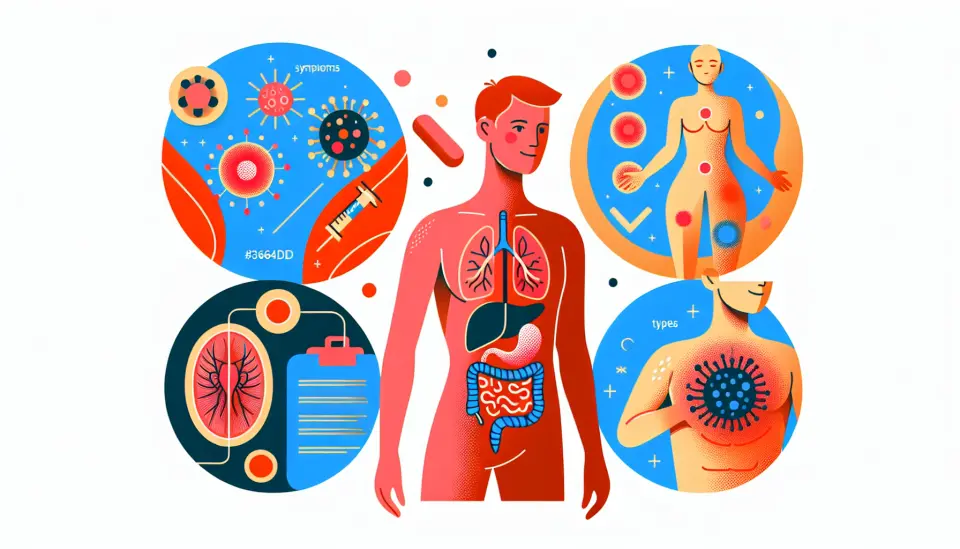
Symptoms of connective tissue diseases can vary depending on the specific condition and the parts of the body affected. Some common symptoms include:
- Joint pain, stiffness, and swelling
- Muscle weakness and pain
- Skin rashes, tightness, or fragility
- Fatigue
- Fever
- Digestive problems
- Breathing difficulties
Diagnosing and Treating Connective Tissue Diseases
Diagnosing connective tissue diseases often involves a combination of physical examinations, blood tests, imaging studies, and sometimes biopsies. Treatment options vary depending on the specific condition but may include:
- Medications to reduce inflammation and manage symptoms
- Physical therapy to improve joint function and muscle strength
- Occupational therapy to help with daily activities
- Surgery to correct joint deformities or address organ damage
If you suspect that you or a loved one may have a connective tissue disease, it's essential to consult with a healthcare professional for an accurate diagnosis and appropriate treatment plan. With proper management and care, many people with connective tissue diseases can lead full and active lives.
For more information on connective tissue diseases, visit:
- National Institute of Arthritis and Musculoskeletal and Skin Diseases
- American College of Rheumatology
- National Center for Advancing Translational Sciences
The Bottom Line
Early diagnosis within the first year of symptoms dramatically improves treatment effectiveness, especially for autoimmune variants that respond well to modern immunosuppressive therapies. The key is recognizing patterns like symmetric joint involvement, distinctive rashes, or unusual skin elasticity that distinguish these conditions from common arthritis. If you're experiencing persistent joint pain with skin changes or family history of connective tissue disorders, Doctronic can help you understand your symptoms and guide next steps.
Related articles
What Is a Dangerously High Platelet Count Level and What Does It Mean?
What Is a Dangerously Low Platelet Count Level and What Does It Mean?
What Is a Dangerously Low White Blood Cell Count Level and What Does It Mean?
New Sickle Cell Treatments 2026: Latest FDA Approvals and Breakthrough Therapies


Intradermal Nevus: When a Raised Mole Is Harmless and When to Monitor
Get personalized health advice
Chat Now