
Treatments and Prevention
IUD Insertion: What to Expect Before, During, and After
December 19, 2025
6 min read

Medically reviewed by Alan Lucks | MD, Alan Lucks MDPC Private Practice - New York on February 1st, 2026.
Published on January 23rd, 2026.
IUDs are over 99% effective at preventing pregnancy
Rare pregnancy occurrences can happen due to device displacement
Unusual symptoms warrant immediate medical consultation
Birth control alternatives exist if IUD is not suitable
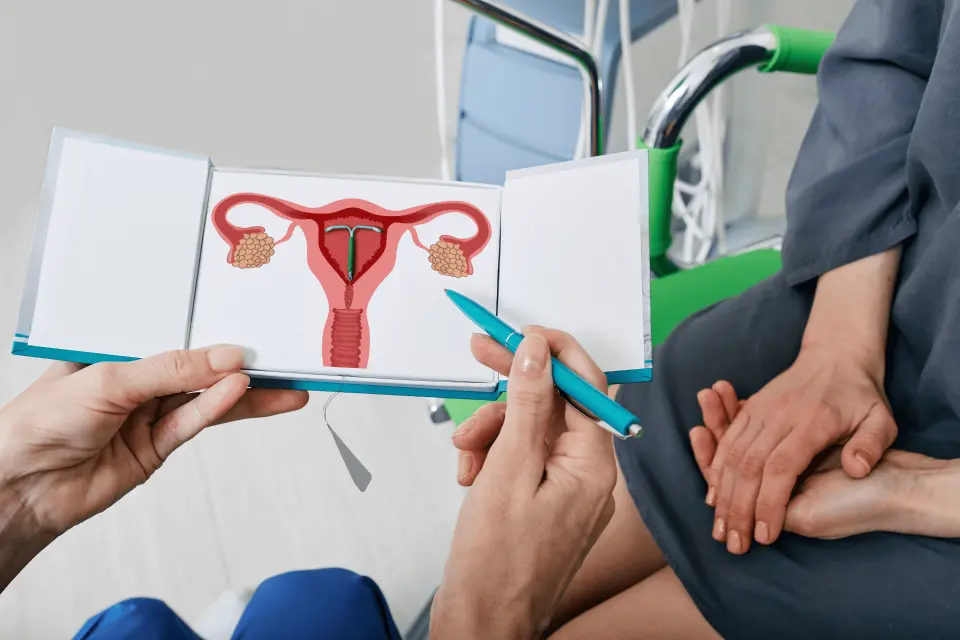
Intrauterine devices (IUDs) represent one of the most reliable contraceptive methods available today. Despite their impressive effectiveness, questions about potential pregnancy remain common among users. Understanding the nuanced landscape of IUD contraception can help individuals make informed reproductive health decisions.
Modern contraceptive technology has made significant strides in preventing unintended pregnancies. Birth control methods like IUDs offer women long-term, highly reliable protection with minimal daily management required.
Different IUD types offer varying mechanisms of pregnancy prevention. Hormonal and copper IUDs both boast remarkable effectiveness, with failure rates under 1%.
IUD Type |
Pregnancy Prevention Rate |
Duration of Effectiveness |
|---|---|---|
Hormonal IUD |
99.8% |
3-7 years |
Copper IUD |
99.4% |
10-12 years |
Hormonal IUDs like Mirena work by thickening cervical mucus and potentially suppressing ovulation. Copper IUDs create an environment hostile to sperm, preventing fertilization through chemical interactions.
Several scenarios can potentially compromise an IUD's effectiveness. Understanding birth control risks is crucial for comprehensive reproductive health management.
Potential risk factors include:
Improper initial IUD placement
Undetected device expulsion
Insertion timing within menstrual cycle
Individual physiological variations
Detecting pregnancy while using an IUD can be challenging due to altered menstrual patterns. Key symptoms might include:
Unusual bleeding
Persistent nausea
Breast tenderness
Unexplained fatigue
Missed IUD strings during self-examination
If pregnancy occurs with an IUD, immediate medical consultation is essential. Healthcare providers will:
Confirm pregnancy location
Assess potential ectopic pregnancy risks
Discuss removal options
Provide comprehensive pregnancy counseling
Yes, partial or complete expulsion can occur silently, particularly during menstruation.
Immediately. Prompt evaluation is crucial to manage potential complications.
Removal carries some risk, but leaving it in place also presents potential complications.
Younger women and those with recent insertions might have slightly higher failure rates.
Consult healthcare providers about alternative birth control options tailored to your specific needs.
While IUDs offer exceptional pregnancy prevention, understanding potential risks empowers informed decision-making. Care you can trust. Doctronic is clinically validated with 99% treatment plan alignment.
Get women's health advice
Chat Now
Join 50,000+ readers using Doctronic to understand symptoms, medications,
and next steps.
Add your phone number below to get health updates and exclusive VIP offers.
By providing your phone number, you agree to receive SMS updates from Company. Message and data rates may apply. Reply “STOP” to opt-out anytime. Read our Privacy Policy and Terms of Service for more details.
Save your consults. Talk with licensed doctors and manage your health history.